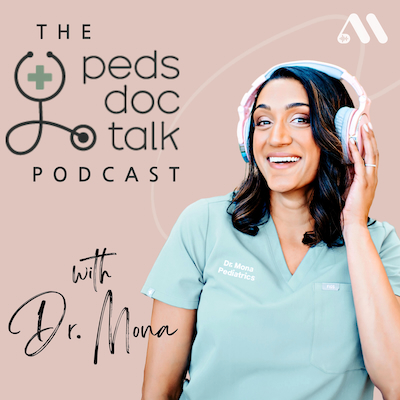

A podcast for parents regarding the health and wellness of their children.
Surrogacy is often talked about in headlines or celebrity news, but rarely explained in a way that helps people truly understand the experience behind it. In this episode, I’m joined by surrogacy consultant Jessie Jaskulsky, founder of Surrogacy Simplified, to talk openly about what the surrogacy process actually looks like, the misconceptions that surround it, and the emotional reality many families face while trying to grow their family.
Jessie shares her personal path through pregnancy loss, infertility, and ultimately two surrogacy journeys that helped her welcome her daughters. From navigating the logistics and cost to managing grief, uncertainty, and public judgment, this conversation brings compassion and clarity to a topic that is often misunderstood.
In this episode, we discuss:
What surrogacy actually means and the difference between gestational and traditional surrogacy
Common misconceptions about why families pursue surrogacy
Why public conversations about surrogacy can be filled with judgment and misinformation
The emotional toll of infertility, pregnancy loss, and long fertility journeys
How intended parents cope with uncertainty and lack of control during a surrogacy pregnancy
What the financial reality of surrogacy can look like and ways families plan for it
How to begin exploring surrogacy if it’s something you’re considering
The bond between parents and babies born through surrogacy
How friends and family can better support someone going through this process
To connect with Jessie Jaskulksy follow her on Instagram @surrogacyreimagined and learn more at her website: Surrogacy Reimagined.
00:00 Surrogacy, Stigma, and the Comments Families Shouldn’t Face
02:00 What Most People Get Wrong About Surrogacy
05:49 Gestational Carrier vs Surrogate Explained Simply
08:07 The Real Reasons Families Turn to Surrogacy
10:16 Why Celebrity Surrogacy Stories Spark So Much Judgment
13:07 Infertility, Anxiety, and the Emotional Side of This Process
15:34 What Surrogacy Really Costs, and Why
22:11 The First Steps for Families Considering Surrogacy
25:22 The Hardest Part, Letting Go of Control
30:06 Bonding, Love, and the Truth About Surrogacy Babies
Our podcasts are also now on YouTube. If you prefer a video podcast with closed captioning, check us out there and subscribe to PedsDocTalk.
Get trusted pediatric advice, relatable parenting insights, and evidence-based tips delivered straight to your inbox—join thousands of parents who rely on the PDT newsletter to stay informed, supported, and confident. Join the newsletter!
Shop Dr. Mona’s favorite products: https://shopmy.us/shop/pedsdoctalk (paid link)
And don’t forget to follow @pedsdoctalkpodcast on Instagram—our new space just for parents looking for real talk and real support.
We love the sponsors that make this show possible! You can always find all the special deals and codes for all our current sponsors on the PedsDocTalk Podcast Sponsorships page of the website.
00;00;00;03 – 00;00;22;15
Jessie Jaskulsky
Many, many people of all different backgrounds are are able to access their egusi. There. There’s all different reasons that people come to surrogacy. Secondary infertility, unexplained infertility. I meet with a lot of cancer survivors. Yeah, I meet with people. This is one that you might not even really realize, but severe mental health issues where they don’t want to go off of a medication.
00;00;22;17 – 00;00;40;12
Jessie Jaskulsky
So to keep the baby safe during pregnancy, same sex couples, there’s so many reasons. And these babies are so longed for and so wanted, and they are just so desired and prayed for.
00;00;40;14 – 00;01;06;16
Dr. Mona
Hey, everyone. Doctor Mona here, your online pediatrician mom, friend and welcome back to the show where we get to have honest conversations about parenting, child health, and the many ways families are built. And before we get started, if you really enjoy the show, please subscribe. Download all of your favorite episodes. Just set up those automatic downloads. It really matters so I can continue producing the show and tag PedsDocTalk the PedsDocTalk podcast whenever you listen.
00;01;06;18 – 00;01;35;24
Dr. Mona
So over the past couple years, we’ve seen many celebrities like Meghan Trainor, Lily Collins, Priyanka Chopra, just to name a few, share that they welcomed their babies through a gestational carrier. And while I was so happy to see them speak openly about their journeys and grow their families like they want to. I was honestly struck by the backlash and harsh comments that followed, comments questioning their choices, assumptions about body image, money, convenience, and even questioning that you’re not the mother of that child.
00;01;35;24 – 00;02;00;21
Dr. Mona
And oh, I remember thinking, wow, we just still have a lot of work to do. Which makes this conversation especially timely because March is Surrogacy Awareness Month. Have you ever wondered why surrogacy still carries so much stigma? Why people feel comfortable making assumptions about why someone chose this path to grow their family, and why something as personal as how someone brings a baby into the world becomes open for public debate.
00;02;00;23 – 00;02;27;08
Dr. Mona
Or the difference between gestational carrier and surrogate. Today we’re talking all about that. My guest is Jesse James Gorsky, founder of Surrogacy Simplified, a consulting firm dedicated to helping intended parents navigate the emotional, logistical, and often overwhelming journey of surrogacy. Jesse is also a former intended parent herself, so she brings both personal experience and professional expertise to this conversation.
00;02;27;11 – 00;02;49;23
Dr. Mona
This is a really important one for me, for Jesse, for anyone who has had a baby through a gestational carrier or a surrogate. So please listen. Share this episode. Go on social media. Share your comments in the comment sections on our post, and let’s get into this amazing conversation today.
00;02;49;25 – 00;02;52;11
Dr. Mona
Jesse, thank you so much for joining me today.
00;02;52;13 – 00;02;54;21
Jessie Jaskulsky
Hi, doctor Mona, thanks for having me.
00;02;54;23 – 00;03;16;09
Dr. Mona
Well, we connected a while back. You had emailed me through a mutual friend and I was like, this sounds amazing. And I think you had known that I had done my own IVF journey. I did not have to use a surrogate, but I know so many of my closest friends who’ve had to go to the circus route, and I have seen all the things that you mentioned the cost, the emotional, the logistical, the who do I find?
00;03;16;09 – 00;03;25;23
Dr. Mona
How is it happening? I mean, there’s just so much that goes into it. Tell me why you started surrogacy simplified and what you feel it’s adding to this journey for so many parents?
00;03;25;25 – 00;03;53;26
Jessie Jaskulsky
Yes, I started surrogacy simplified after what felt like the most difficult journey to becoming a mom. I now have two daughters, Lily and Luna, and when I was going through the process, although now and I speak to so many intended parents, this is a common experience. I thought weird and rare things keep happening to me. And through this weird and rare and complicated, I had a, you know, to take a step back.
00;03;53;26 – 00;04;15;02
Jessie Jaskulsky
I had a pregnancy loss of my own, which led to secondary infertility, which I imagine many listeners who are experiencing infertility and have their kids might be experiencing. And that’s what led me down the path of surrogacy. I went through two beautiful surrogacy journeys, one with an agency, one with, and one independently, and figured I had so much knowledge.
00;04;15;02 – 00;04;28;17
Jessie Jaskulsky
And there’s so many wonderful surrogates that are in the surrogacy space. Professionally, there’s not as many intended parents who have lived on that side, and I really wanted to come back to this space meaningfully and help other people through the process.
00;04;28;23 – 00;04;49;14
Dr. Mona
What a journey. I mean, I again, I can say from the IVF journey, I have had a traumatic birth. I’ve also had IVF and I’m just comparing my own reality. I don’t expect everyone to have the same reality. Birth trauma was very hard, but there was an end to it. What I mean by that is that I healed my body, was, you know, back to getting normal, if you can call it normal.
00;04;49;17 – 00;05;12;15
Dr. Mona
But with the IVF journey that caused me a lot of depression, I was the saddest I’ve ever felt. In a time when you think other people who are having having babies the other way of like, you know, just normal conception this and that, how simple it can feel for them. But for us, when we’re trying to conceive a baby, all the stress, all of the logistics that go into it, and then you added the extra layer of a surrogate to it.
00;05;12;15 – 00;05;38;02
Dr. Mona
I mean, I can’t, I can’t imagine from a personal standpoint, but I can only relate to the people who’ve been there. And I think what is really important for me in this conversation, because it is Surrogacy Awareness Month to promote, again, surrogacy, reduce those misconceptions. I think the first thing we have to do is that it’s often talked about or people hear about it, but it’s rarely explained in plain language for just a basic person to understand who may not be going through the journey for.
00;05;38;06 – 00;05;49;23
Dr. Mona
So for someone brand new to this topic, can you walk us through what surrogacy means, what it actually is, and the difference between a gestational carrier and a surrogate?
00;05;49;26 – 00;06;13;04
Jessie Jaskulsky
So a Sarah Sarah Kathy is when I surrogate carries a baby. This can be done two ways. Traditional surrogacy or gestational surrogacy. Gestational surrogacy which oftentimes and you’ll probably hear throughout this conversation just referred to as surrogacy because it’s a common one. That is, when a surrogate carries a baby with no genetic tie. So this will look like the intended parent egg or donor egg.
00;06;13;06 – 00;06;31;23
Jessie Jaskulsky
And then the intended parent sperm or donor sperm. And so this baby has or embryo has no genetic link to the surrogate. There’s traditional surrogacy which is much, much less common and rare. That is when she does have a genetic link. So it is her egg and either the intended parent or donor sperm.
00;06;31;26 – 00;06;38;26
Dr. Mona
And so it does it really have anything to do with the the relationship between the person carrying the baby.
00;06;38;28 – 00;06;42;09
Jessie Jaskulsky
And traditional surrogacy? She has that genetic link. So yes, the.
00;06;42;09 – 00;06;45;28
Dr. Mona
She meaning the person carrying rights. Okay. I see you’re saying yes. Exactly. Okay.
00;06;46;01 – 00;07;05;14
Jessie Jaskulsky
And what’s interesting is when I went through the process, it was very important to me that people use the term gestational carrier because I didn’t want them to think that I did not have a genetic tie to my daughters. But as surrogacy has become a little more mainstream and talked about, it’s sort of used now interchangeably, and even I feel differently about it.
00;07;05;14 – 00;07;19;14
Jessie Jaskulsky
So I’ll refer to my future, my previous gestational carriers, as my surrogates and use those terms interchangeably. Whereas when I first began this process nearly seven years ago, I would only use the term gestational carrier.
00;07;19;16 – 00;07;34;08
Dr. Mona
Very interesting. No, I think I just learned something new. So that’s awesome. I was like trying to clarify that. And so that is part of this whole process to that. Again explaining the terms why is it important for you or is it really that we know the terms and understand that nuance and difference is.
00;07;34;10 – 00;07;53;02
Jessie Jaskulsky
The one term that I think is really important to share that really makes the infertility community, or women or families that are going through surrogacy feel bad as the term surrogate mother, which isn’t quite what it was, but I think it’s helpful to share. Yeah, because it’s very important to intended parents that it’s knowing that this is not a mother relationship.
00;07;53;02 – 00;08;07;16
Jessie Jaskulsky
She is simply growing the baby, growing in a safe vessel and like doing this beautiful, amazing thing. But she has no connection to the child biologically. She is just really helping grow and bring another child to life.
00;08;07;19 – 00;08;25;02
Dr. Mona
And there are a lot of assumptions about who surrogacy is for and why people choose it. And we’ve seen this in the media and we’ll get into more of that. But what are the most common misconceptions you hear surrounding that, and what do you wish more people would understand? Or about the reason someone may go into this surrogacy journey?
00;08;25;02 – 00;08;30;01
Dr. Mona
I know you’re okay, discussing it a surrogacy for the rest of this conversation? Yes. Yeah.
00;08;30;01 – 00;08;52;08
Jessie Jaskulsky
Okay. Perfect. Yeah. There’s so many things I can share. My personal experience. When I tell people that I’ve used, two surrogates or worked with two surrogates to have my daughter say, sort of give me this look like I’m this really wealthy woman, and it’s like, no, this is not many. Many people of all different backgrounds are are able to access surrogacy there.
00;08;52;10 – 00;09;13;28
Jessie Jaskulsky
There’s all different reasons that people come to surrogacy, secondary infertility, unexplained infertility. I meet with a lot of cancer survivors. Yeah, I meet with people. This is one that you might not even really realize, but severe mental health issues where they don’t want to go off of a medication. So to keep the baby safe during pregnancy, same sex couples, there’s so many reasons.
00;09;13;28 – 00;09;21;09
Jessie Jaskulsky
And these babies are so longed for and so wanted, and they are just so desired and prayed for.
00;09;21;11 – 00;09;38;27
Dr. Mona
I think that’s such an important thing because we, as a person outside of that family relationship. Right? So whether they’re doing this alone, but then with a, let’s say a sperm donor or whatever they’re doing or they, you know, this is something that they’ve, they’ve wanted it is none of my business to determine the why behind why they did it.
00;09;38;27 – 00;09;58;28
Dr. Mona
Right. Like, I just want them to know that they have this option. And I think that’s what’s coming out from all of this sort of stigma, is that this reality, like, well, you have a lot of money or you don’t want to ruin your body or people are making these assumptions when in the end of the day, all that matters is that family wants to bring in their baby into this world and take care of it.
00;09;58;28 – 00;10;16;02
Dr. Mona
I mean, that’s all I care about. Like, you’re going to do it the old fashioned way if you’re going to do it via IVF, surrogacy definitely just want you to bring that baby into the world and love that baby. And I wanted to kind of segue into those conversations around celebrities that have been open about their surrogacy journey.
00;10;16;02 – 00;10;34;04
Dr. Mona
And to me, that is such a huge thing to see someone in a public eye. Yeah. Share that. Because it it destigmatize hopefully, and gives ownership to the other people who may not have large platforms to say, yeah, I did that too. So some celebrities that come to mind that have been more vocal have been Meghan Trainor, Lily Collins and Priyanka Chopra.
00;10;34;09 – 00;10;51;14
Dr. Mona
They have shared that they’ve used the gestational carrier, and the responses have been harsh. And I’m pulling up some of the responses that happen for Lily Collins. And it’s going to be hard to hear because even though I haven’t gone through the journey, but I want to be clear, if you are listening and you have gone through this surrogacy journey, it’s going to feel hard.
00;10;51;14 – 00;11;07;02
Dr. Mona
But the reason I want to share it, because I want to hear for I want people to hear if they haven’t been through the journey, how hurtful this can be. So these are just some of the things right? Having babies shouldn’t be like placing an order on Amazon. I loved Emily in Paris, but I’m not going to watch real life Lily and Handmaid’s Tale.
00;11;07;05 – 00;11;31;00
Dr. Mona
How do you separate a baby from his mother? I’m in shock. Adopt. Don’t shop. I mean, don’t get me started on that one. And then being so privileged. You can even buy a child like you buy a house. As someone who’s gone through this journey, as someone who has helped so many families in this journey, what are the first thoughts that come to mind when you hear those statements.
00;11;31;02 – 00;11;35;09
Jessie Jaskulsky
That people really don’t understand the process and there’s a lack of education.
00;11;35;12 – 00;11;44;17
Dr. Mona
Yeah. And it’s that education around like you said, what is the reasoning why people would do it. What exactly it is, is where that comes from.
00;11;44;19 – 00;12;03;27
Jessie Jaskulsky
Yes. And I, you know in the example of Lily Collins and Meghan Trainor, they don’t owe us an explanation. Exactly why they’re pursuing surrogacy. And I can guarantee you it’s not because of their career. They I know I can speak for myself. I would have longed for those baby kicks and that growing bump and the cute bump outfits and all on all of the, you know, even the nausea.
00;12;04;00 – 00;12;17;14
Jessie Jaskulsky
It’s really there’s a reason that they are pursuing surrogacy and it’s not so they can maintain their careers or keep their bodies, or because they have the the means to do so financially. It’s because that is the way that they’re able to bring a child into the world.
00;12;17;17 – 00;12;29;21
Dr. Mona
I know we’re trying to now get our minds into the mind of someone who may not understand. Why do you think surrogacy triggers so much judgment when it becomes public, and how does that stigma affect everyday families? Considering this path.
00;12;29;24 – 00;12;52;27
Jessie Jaskulsky
I think it makes families that are are considering it really intimidated. I’ve been on a lot of consultations where people ask me, how did you talk to your family about it? Or how or how did your community accept you? And to me, I’ve been in a community where they were so happy for me to have a child. So it’s it was really an interesting, an eye opening experience that not everybody feels that way.
00;12;53;00 – 00;13;07;04
Jessie Jaskulsky
And I think a lot of it too, is they don’t realize it’s for most and most of the surrogacy cases, the surrogate does not have any genetic link to the child, that it’s the intended parents baby.
00;13;07;07 – 00;13;31;23
Dr. Mona
Now let’s take a quick break to hear from our sponsors who support helps us keep bringing you this show. Oh yeah. And what I see as a pediatrician. So as a reminder, I’m not navigating the journey of deciding to have a baby. Surrogacy or not. I see these families in my office, you know, and I don’t see on my chart surrogacy baby, IVF baby unless a family tells me, right.
00;13;31;23 – 00;13;49;11
Dr. Mona
And so what I’ve noticed is that a lot of my families have gone through for a large fertility journey. Whether it’s years, whether it’s using a surrogate, the common feeling that I see from a pediatrician is that they feel a little more nervous. You know, they feel a little more anxious, maybe, about the health of the baby.
00;13;49;18 – 00;13;56;08
Dr. Mona
I don’t know. In your experience, have you seen that as well? When you support the family’s postpartum, who’ve had their babies via surrogate?
00;13;56;15 – 00;14;17;02
Jessie Jaskulsky
Yes, I, I would say that the intended parents I work with have a whole range of emotions I can release, but something that I really do observe is a feeling of waiting for the other shoe to drop. They’ve had years and years of infertility and heartbreak, and even during the pregnancy, it can sometimes feel difficult to allow themselves to feel hopeful.
00;14;17;06 – 00;14;29;22
Jessie Jaskulsky
And then once baby’s here, there’s this huge like feeling of elation. But then I do see, with some of my intended parents still that trepidation and like, is this really happening after all these years and, and some of that anxiety?
00;14;29;24 – 00;14;46;18
Dr. Mona
And like you had said, I think we had chat earlier like you’re waiting for that. They’re kind of waiting for the other shoe to drop. Like something must be happening here, right? Oh, that’s so true. And that’s kind of why I love what you’re doing. Right? Because we we tend to focus so much on the baby we like as pediatricians.
00;14;46;18 – 00;15;09;15
Dr. Mona
And after the baby comes, it’s all about baby, baby, baby. But we forget how much support the intended parents need, how much support parents need in general. And these conversations are so important so that they know that they’re not alone. Right? That if you’re feeling that nerves, if you’re feeling those, those little like, well, what if that that’s actually a very common feeling given the time, money, heartache that you’ve went through.
00;15;09;15 – 00;15;20;29
Dr. Mona
And thank you so much for normalizing that for our listeners who were like, yeah, that was me, because I’m pretty sure there’s a lot of listeners who are feeling that same way, whether they did surrogacy, IVF. However, it it turned out, you know.
00;15;21;02 – 00;15;34;25
Jessie Jaskulsky
Yeah, it’s a lot. And there’s like we said, there’s just so much that goes into it and so much emotions and heartache and to leading up to that moment of joy that it’s completely normal, that it doesn’t go away immediately once the baby’s arrived.
00;15;34;27 – 00;15;54;23
Dr. Mona
And we’re going to segue into something that I know is really hard for a lot of families, is the cost you know, cost is often one of the biggest barriers families worry about. And transparent information can be hard to find. What does the financial reality of surrogacy typically look like, and how can families begin planning if this is their journey without feeling overwhelmed?
00;15;54;25 – 00;16;21;00
Jessie Jaskulsky
Yeah, and there is a really huge range in surrogacy and what the cost can look like. And I’m an open book, so I’m going to share it all with you. So I, I tell intended parents arrange of around $150,000, which I know sounds so high if you’re hearing that number for the first time. Yeah. And it can sway, on the higher end of that and go upwards way like up to closer to 200,000, or it can go lower based on a variety of factors.
00;16;21;03 – 00;16;40;10
Jessie Jaskulsky
Some of them are whether you’re going to use an agency or go into some of them as a surrogates compensation. So what that’s going to look like for her. And then there’s other things that go into this, whether or not she needs an additional health insurance policy, attorney fees, psychological fees, your IVF clinic fees and escrow and so forth.
00;16;40;10 – 00;17;04;00
Jessie Jaskulsky
To afford surrogacy, a lot of people tap into their family. I see a lot of antenna parents that have family support. Some of them will have employer sponsored benefits like progeny, for example. That is unfortunately very rare, but that is that is a possibility. So I would encourage everyone to look into that. There is also grants that people can apply for and then there are loans as well.
00;17;04;02 – 00;17;13;16
Dr. Mona
And so through your work, you’re basically also helping families navigate what may be the best option for them based on their finances, based on, you know, what they what they’re looking for.
00;17;13;18 – 00;17;34;15
Jessie Jaskulsky
Exactly. So when I’m working with an intended parent and they come to me the first for the first time, and they ask me, what do you think’s better going independently or using an agency? And since I’m able to support them in both, I like to share the the benefits and the drawbacks from each way. And one of the major advantages of going independent in comparison to an agency is being able to save on that money.
00;17;34;15 – 00;17;45;28
Jessie Jaskulsky
But it’s very important that if you go independent, you work with a consultant like myself. There’s other many wonderful ones out there, or just that you’re really, really researched and knowledgeable about all of the steps involved in the process.
00;17;46;00 – 00;18;06;21
Dr. Mona
I’m already loving this conversation about steps because some of our listeners may be in that process of like, where do I even begin? And this conversation can be that for them. And then also for my listeners who may not be going through this journey, what I think we’re doing here is being able to provide some understanding. If your friend or loved one is going through this process, you can just say, hey, I listen to this episode.
00;18;06;23 – 00;18;29;06
Dr. Mona
I, I’m getting a better idea of what you may be going through. Obviously, I would love to hear what support I can provide you. So thank you for doing that. Right. Because this work, these conversations, it was so important for me to have you come on. So that we can really normalize that this is a reality for so many families and not only support those going through it, but help inform the loved ones and the community who may not be going through it.
00;18;29;06 – 00;18;31;04
Dr. Mona
So that that stigma can be reduced.
00;18;31;08 – 00;18;49;05
Jessie Jaskulsky
Absolutely. And when you said that, the first thing that popped in my mind is something that friends will often say, and it’s because they’re trying to be hopeful and encouraging and it’s not from a place of any mal intent. Yeah. Is you’re so lucky you’re not going to your body is going to stay the way and you know they need it.
00;18;49;10 – 00;19;07;02
Jessie Jaskulsky
Yes. Yeah. And and like to the to the woman who, who’s hearing that comment. It’s like no I would love that. I would love to be small and I would love that growing bump. And if you’re out, I know for me, I was often told you’re so lucky you can have a glass of wine at dinner. And, you know, it’s like, no, I would love to not be able to have this glass of wine.
00;19;07;08 – 00;19;13;10
Jessie Jaskulsky
Of course it’s tasty, but I would prefer to be not able to do this and be carrying a baby.
00;19;13;12 – 00;19;20;24
Dr. Mona
Ooh, I, I relate to that from my my birth trauma, where when I had a traumatic delivery and my son ended up having a stroke and seizures.
00;19;20;24 – 00;19;21;12
Jessie Jaskulsky
Oh, my God.
00;19;21;13 – 00;19;41;17
Dr. Mona
That was very traumatic, right. Like, I mean, it was you have a newborn there in the NICU. EEG leads all the stuff. MRI has had a stroke. And I mean, one day old baby, like, what’s going to happen to my son, you know, and again, I don’t think it was mal intent like you’re saying. I think people are just trying to make you feel good or trying to make you look like you’re amazing.
00;19;41;22 – 00;20;05;13
Dr. Mona
And the comment that I got, which related a lot, was, well, the how lucky are you? Or how lucky is he that he’s in your family? And it’s like, yeah, okay, awesome. I am a great mom. I will be a great mom. But it doesn’t take away the fact that this is a very hard thing, and that I just want people to acknowledge that none of us should be going through the struggle when other people don’t have other people don’t have to write.
00;20;05;13 – 00;20;22;13
Dr. Mona
Like that’s kind of how I feel. Is that especially as a Patricia, when I see people easily get pregnant accidentally, whether they choose to keep the baby or not, right. I’ve had these situations when I was going through my own IVF journey of like teenage girls coming in and they were like, I want an abortion, I’m pro rights.
00;20;22;13 – 00;20;44;06
Dr. Mona
But it also was like, oh, how I would love to be able to make a decision and have that baby. And it’s that feeling of just like, oh my gosh, like, I just want what everyone else seems to easily get like, did you feel that sentiment a lot? Like maybe going through your own journey, like, why is this so difficult for us and why is this not happening for us when it seems so easy for everybody else?
00;20;44;08 – 00;21;01;20
Jessie Jaskulsky
Yeah, I did, and you know, when you, as you were saying, that the, the memory that comes to mind is at my 30th birthday, and we were at a brewery and all of my girlfriends were pregnant, I want to say almost all of the girls there were pregnant, but me. And it was just gut wrenching. And it was.
00;21;01;20 – 00;21;11;18
Jessie Jaskulsky
And that was after my loss. And while I was going through the trenches of figuring out what was going on with me and if I could carry or if I didn’t need to go to surrogacy, and that was probably the most difficult time of my life.
00;21;11;20 – 00;21;30;21
Dr. Mona
Yeah. And it’s like I think for the listener who understanding from our perspective of like the IVF journey, the surrogacy journey, it doesn’t take away the fact that we can’t be happy for you, but it’s a very split feeling of being happy but also grieving something you don’t have. It seems again that seems so easy for somebody else.
00;21;30;21 – 00;21;48;16
Dr. Mona
And I’m not saying like easy. Obviously, I know pregnancy is not easy for everyone, but like the conception process, right? Like the conceive whole night, carry my baby, deliver it, have those picture perfect bump moments and all of that that there’s that. When that expectation doesn’t match reality, that grief comes, you know, and that’s what it can happen.
00;21;48;18 – 00;22;11;15
Dr. Mona
And I think where I’d love to go next is that many people are curious about this journey, but have no idea how the process even begins. Yeah. So if someone is just starting to explore this option, what are the first realistic steps they should take? And also include what you had mentioned to me earlier about the type of like whether you’re going through an agency or whether you’re finding that independently, like how that differs and how that works.
00;22;11;18 – 00;22;35;19
Jessie Jaskulsky
Yes. The first thing I would suggest is talking to your fertility clinic and at least getting from them their process, how they’re going to approach it, and then they might even have a referral list for you. Because as I was sharing before we started recording, there’s at least 700 surrogacy agencies in the United States. So trying to figure out which ones you can trust, which ones will have a good fit for you is really important.
00;22;35;19 – 00;22;56;14
Jessie Jaskulsky
So that can give you some place to start. And I also want to encourage you to research, but not go into a Google rabbit hole spiral. I think that there is a balance here, tapping into your network to see if there’s anyone that you might know that has a friend of a friend that’s gone through surrogacy, and you can talk to them firsthand for their experience, is also incredibly valuable.
00;22;56;17 – 00;23;09;10
Jessie Jaskulsky
I personally have a surrogacy book that I would love to share with anyone listening who might be considering surrogacy. It really breaks it down in a way that’s digestible and hopefully can save you hours from the spiral.
00;23;09;12 – 00;23;22;02
Dr. Mona
That spiral. Do you feel like that spiral can provide a lot more misinformation because it’s not nuanced to the person? Or what does that spiral look like, and why do you think that can kind of cause more harm than good?
00;23;22;05 – 00;23;27;27
Dr. Mona
Now let’s take a quick break to hear from our sponsors who support helps us keep bringing you this show.
00;23;27;29 – 00;23;50;12
Jessie Jaskulsky
Oh, I think that’s exactly what you said. There’s just misinformation. It’s so nuanced when especially, for example, when it comes to costs, like there’s so many contingencies that can play into what your total costs can be, you know, deciding what’s the best route for you for surrogacy, what type of an agency to use, the attorneys, all the different things and it’s you can get really caught up.
00;23;50;12 – 00;24;09;13
Jessie Jaskulsky
So I think looking at it, as we said before, step by step and having a few people to trust to talk to, if you know someone that’s gone through it, joining a support group, I have an intended parent community where anyone can join, regardless of where they’re at in the journey, and really just begin to learn and meet other people that are going through the process.
00;24;09;15 – 00;24;11;29
Dr. Mona
And then any next steps after that would be.
00;24;11;29 – 00;24;22;03
Jessie Jaskulsky
I would say, to start interviewing agencies or consultants. If you’re thinking you might go that path, just just learn about their process, their fee structure and how they be able to support you.
00;24;22;06 – 00;24;36;15
Dr. Mona
And then also utilize resources like from Jesse, you know, obviously, which is really awesome. I’m sure we’ll be attaching a lot of her resources and her services, you know, and you, by the way, your, your, your agency works with Nationwide in America.
00;24;36;15 – 00;24;42;22
Jessie Jaskulsky
Yes, yes, we’re intended parents all over the country on and in independent journeys and agency journeys.
00;24;43;00 – 00;25;03;03
Dr. Mona
Awesome. And again, you taught me something new. I didn’t know that about the different types, even though I’ve had friends who’ve gone through the journey. You know, one thing, one thing I’ve noticed and it just depends on the personality. I think of the person on how vocal they’ll be about their journey, and that can come from stigma, that can come from how comfortable they just feel sharing their personal life.
00;25;03;06 – 00;25;22;09
Dr. Mona
I had a lot of friends who went through surrogacy and a lot meaning for really good friends. Like, yeah, that like that is a lot. Yeah, that’s a lot in my opinion. And it’s interesting because they didn’t divulge information to me like, hey, I’m going through. I had to kind of ask where they were at, you know, what support can I give for them right now through this journey?
00;25;22;11 – 00;25;47;00
Dr. Mona
We know that this process is not just logistical. It is deeply emotional for intended parents and for gestational carriers. And I can imagine, you know, you have this beautiful community. But what does the emotional journey look like? And did you find that even with the community, even for yourself, even if you knew people going through it, did you feel a sense of loneliness, even though you know other people going through the same process?
00;25;47;02 – 00;26;08;10
Jessie Jaskulsky
Yes. When I went through this process, I knew many women going through IVF and our journey sort of paralleled in that way. But then when I pivoted to surrogacy, it was just me. And I one of the biggest emotions is this feeling of lack of control. You are giving total control up in the process and really placing your trust in somebody most commonly, that you do not know.
00;26;08;10 – 00;26;11;15
Dr. Mona
Which is the person carrying the baby. Correct? Right.
00;26;11;18 – 00;26;41;01
Jessie Jaskulsky
And you know, during the surrogacy journey, intended parents meet with a psychologist and they do. It’s not an evaluation. It’s like a psycho educational consult. And they talk to the intended parents about the process, help them identify how they’ll go to get through the ups and downs, and they really just talk about the ins and outs, everything under the sun about surrogacy, something that’s not as commonly done that I would recommend, is continuing to check in with that psychologist periodically throughout their journey as like touch points.
00;26;41;08 – 00;27;06;04
Jessie Jaskulsky
I think that’s something that’s incredibly valuable. And for me, I joke my escape, my emotional escape was Vanderpump Rules and all things Bravo. I love it, and that’s like as I always joke and do as I say, not as I do, but really joining a support group and meeting other people. So when you have these feelings and you see ten other women or intended parents hands raised and they meet you, you feel so much less alone and it’s so comforting.
00;27;06;06 – 00;27;06;16
Jessie Jaskulsky
00;27;06;16 – 00;27;27;13
Dr. Mona
I can imagine that. And I love, you know, the let’s, I don’t know if we want to call it trashy TV but that’s healing man. Like I you need sometimes you need passive drama. That’s not your own drama. That’s right. Like our lives are so full of so much emotion that sometimes it just it’s I think from a psychological perspective, you’re just like, I just want to watch the most drama filled show.
00;27;27;17 – 00;27;31;28
Dr. Mona
That just makes me kind of chuckle. But it’s not my drama because I have so much in my own life going on right now.
00;27;31;28 – 00;27;44;21
Jessie Jaskulsky
Hundred percent, I love it. It’s I wish I could say that I did those things during my own journey, and I, but that was what led me to help create these for other people. But yes, Bravo really helped me emotionally through my surrogacy journeys.
00;27;44;23 – 00;28;08;24
Dr. Mona
Now, thank you for going through this emotional side, because I think again, when we when we think so much about protocols, right, like and I think about the IVF journey in itself when I, you know, had the transfer, it’s so protocol ized and it’s so like, okay, you’re going to do this and do this and then you have to meet with this, but then you add the surrogacy layer and you said, you said beautifully about having to completely leave it out of your control and trust that person who is carrying your baby.
00;28;09;00 – 00;28;28;10
Dr. Mona
What would you say about that? Like, how can you cope with that? What are some strategies to kind of say, okay, I did what I could. This person is now taking care of the most important thing I’m creating in my life. How would you advise those parents to kind of let it go, but also advocate, obviously, for the, health of the baby?
00;28;28;10 – 00;28;37;15
Dr. Mona
And are there legal things in place? I’m sure there are to ensure that the the gestational carrier surrogacy surrogate is doing all the right things to care for that baby.
00;28;37;22 – 00;28;59;22
Jessie Jaskulsky
Yes. There’s so many things to say about this first. I first would really be giving you being okay with giving up the control and letting you know if you’re having a hard time. I think that vulnerability really goes a long way with my journeys. As I shared, I came to surrogacy following a pregnancy loss and I knew that frequent communication would help me emotionally.
00;28;59;22 – 00;29;18;21
Jessie Jaskulsky
It would make me feel, you know, a little bit more at peace and just reassured. And I was very forthcoming with that. When you meet with a surrogate, you have what’s called a match call. And during that call, I said, hey, I lost my son at 22 weeks. The type of relationship I’m looking for is close and that we’re keeping in touch.
00;29;18;21 – 00;29;39;17
Jessie Jaskulsky
And my goal was that if that’s if that would feel annoying or not in line with the relationship they were wanting, we wouldn’t match. And because I set sort of my hopes and dreams for the surrogacy journey at the at the onset, it really paved the way. I have two amazing women and families in our life now because of that and that we are we just adore.
00;29;39;21 – 00;29;43;21
Jessie Jaskulsky
We don’t get to see them because they don’t live close by, but we keep in touch.
00;29;43;23 – 00;29;52;07
Dr. Mona
And so do you feel like that’s a common sentiment from your clients as well? And what you’ve heard is that there’s a relationship that has maintained after, you know, the birth of that child. Yes.
00;29;52;07 – 00;30;06;08
Jessie Jaskulsky
Absolutely. Amazing. Naturally, during the surrogacy journey, you’re in a little bit more of come a of frequent communication and then it decreases just a little bit once baby’s born. Because now you’re caring for this child. But yes, they are always a very important part of your life to you.
00;30;06;08 – 00;30;17;09
Dr. Mona
You know, through your experience, have you felt any of your clients or do you think this is more of the exception or rule? Felt concerned that they won’t be able to bond with their baby because they couldn’t carry their baby?
00;30;17;11 – 00;30;25;06
Jessie Jaskulsky
I’ve been asked that, and I usually share when I’m asked that. My experience and it’s like this instant, indescribable connection.
00;30;25;08 – 00;30;27;00
Dr. Mona
I love that we’re talking about this because.
00;30;27;00 – 00;30;49;28
Jessie Jaskulsky
Yeah, I mean, I have a picture I might need to send to you later of the first moment my oldest was on my chest, and I’m just like, it’s like this guttural cry because I couldn’t believe, after all of the years of heartache, that she was finally here with us. And it was just incredible. And, you know, most of the most all the parents I talked to as soon as they meet this baby that’s completely wiped away.
00;30;50;03 – 00;31;15;12
Dr. Mona
And that’s why you know, earlier on in this conversation, we talked about some of those horrible comments that were given to Lily Collins and some celebrities. And I think those comments probably exist for obviously non-famous people, too. They may not be verbalized because they’re not public figures online, but it was important for me to to say those because exactly this conversation, right, that in order for us to be more compassionate, we have to understand that it’s not our it’s not our decision on what’s happening there.
00;31;15;16 – 00;31;36;21
Dr. Mona
And it’s just really important that we, you know, support, support the family and understand that there is bond, you know, I, I think about it a lot as a pediatrician because there’s a lot of misinformation out there on what what dictates a perfect bond between a baby and their mother. Right. And this is one example. But you think about like whether you breast are formula fed.
00;31;36;27 – 00;31;48;08
Dr. Mona
Right. And I’m like, I know a lot of my surrogacy families, gestational carrier families tend to lean towards formula unless they use breast milk from the birthing mother. Correct. Right.
00;31;48;11 – 00;31;48;23
Jessie Jaskulsky
Yes.
00;31;48;23 – 00;32;06;29
Dr. Mona
Right. Which is something, something that’s real. And so there’s so many decisions that can go into that, and that’s such a personal discussion. But I, as a pediatrician, would also like to say from a child development perspective that there is no there’s not going to be an inability for you to bond if you’re feeling that. And if you’re starting the journey and you’re like, well, will they understand me?
00;32;07;06 – 00;32;24;26
Dr. Mona
They will. They will because of that nurturing relationship that you are going to provide. And it’s it’s I’m happy you said that because I want people to know that that’s a reality, that the way we bond with our children is not how we deliver them. It’s not whether we breast or formula fed them, it’s not if we even deliver them at all.
00;32;25;02 – 00;32;29;09
Dr. Mona
It’s the relationship and connection and moments you have with them when they’re babies in your arms.
00;32;29;12 – 00;32;59;16
Jessie Jaskulsky
Absolutely. And I, talk to both of my daughters about surrogacy and how we need someone special to help grow them, and they know the whole thing and how loved they are. And I tell them every day what a miracle they are and how how much we prayed for them. And I think they feel it and they understand that and, you know, realize I think they’re going to be mind blown one day when they realize in, in, like, what is it how or how babies, the other way babies are made because what they have now is, is the IVF and surrogacy journey.
00;32;59;16 – 00;33;06;06
Jessie Jaskulsky
But yeah, I mean, the connection is just beyond. And I as you can tell, I don’t even have the words.
00;33;06;06 – 00;33;30;17
Dr. Mona
It’s just I and I feel that. Yeah, I feel it talking to you. I feel that. And it’s so nice to reflect on your own personal journey. And of course, there’s no one better to guide other people than someone who’s lived in that the trenches of it and so I really, you know, I appreciate that for families, you know, carrying grief, fear or outside opinions while considering surrogacy or in the journey, what do you want them to hear as they think about building their family this way?
00;33;30;24 – 00;33;53;16
Jessie Jaskulsky
I would encourage them to block out the noise. Understand that surrogacy is a long journey, but it is so beautiful and it connects you to this other family that is doing the most selfless thing for you and giving you the greatest gift in the world, and to really not give up. Which I feel like sounds cheesy, but I mean it like because it’s really difficult and there’s ups and there’s downs, but it is just so worth it.
00;33;53;19 – 00;34;10;00
Dr. Mona
This is so beautiful. Is there anything else that you feel like we should be debunking, or you feel like the world needs to understand? Because, again, I’m just so grateful for this conversation about whether it’s misconceptions or like, people going through the journey that you’re like, you know what, I wish? When I started this, someone told me this information.
00;34;10;05 – 00;34;34;24
Jessie Jaskulsky
I think the process is long is helpful. I don’t want to always paint an overly rosy picture because I truly think that’s a disservice as well. I think that there’s ups and there’s downs and there’s delays, but it’s really such a beautiful journey. And I know some people don’t love the word journey when we talk about IVF and surrogacy, because it’s such a long process, but really just to keep going and not to stop.
00;34;34;26 – 00;34;50;08
Dr. Mona
Just thank you so much for this conversation. I feel like I learned a lot. I feel like our listeners are going to learn a lot, just like I said, not only those navigating this journey, but for people who are outside of the journey, looking at their peers, doing this, to be able to better support them just by understanding the process.
00;34;50;11 – 00;34;55;21
Dr. Mona
What is something that you’re hopeful about in your life right now? What is something that’s giving you a lot of joy?
00;34;55;23 – 00;35;13;28
Jessie Jaskulsky
Watching my daughters play together, they are really, really independent now, which feels weird because I have a three and a six year old and you’re usually just so in the thick of it and watching them have this tight little bond. We never imagined we’d have daughters close in age because of our infertility journey, so it’s just such a blessing.
00;35;13;28 – 00;35;23;19
Jessie Jaskulsky
So I would hands down say that. And then just the work that I do in being able to help people bring children and babies into this world is such a blessing that I don’t take for granted.
00;35;23;22 – 00;35;37;08
Dr. Mona
I love ending the conversation with that sort of positivity and love. Thank you so much! Where can people go to stay connected? Learn about all your resources, your services? And I know you said you had that e-book. Where can people go to get all that information?
00;35;37;11 – 00;35;52;15
Jessie Jaskulsky
I would definitely suggest following me on Instagram. I share a lot of resources there. It’s surrogacy simplified. My website is also surrogacy simplified.com. And in there you can find a way to have a free consultation. Join our support group and there’s lots of really great resources as well.
00;35;52;18 – 00;36;04;04
Dr. Mona
Thank you so much. I will be linking all of that to our Shownotes. And I really just can’t express how important this conversation was for me every month, but definitely during Surrogacy Awareness Month. So thank you for joining us today.
00;36;04;07 – 00;36;12;24
Jessie Jaskulsky
My pleasure. I’m happy to share more on surrogacy and, you know, help debunk myths and just spread the truth.
00;36;12;26 – 00;36;32;17
Dr. Mona
Here’s the thing about breaking stigma. In order to break stigma, we need to promote awareness. So I am grateful that celebrities talk about this openly because they’re public figures. They have a lot of followers. The media picks it up. But as a reminder, so many people use surrogates or gestational carriers. So thank you so much for listening to this conversation.
00;36;32;19 – 00;36;55;14
Dr. Mona
I love chatting with Jessie and hearing both her professional insight and her personal story. Conversations like this matter because the more we understand each other’s experiences, the more compassion we can bring into the world. By sharing this, by talking about it, by normalizing that there’s many different ways people grow their families. And my biggest takeaway from this conversation is something I believe deeply.
00;36;55;16 – 00;37;16;05
Dr. Mona
It is none of our business how someone grows their family. For me, as long as that child is brought into a home where they are loved, cared for and wanted, that is what matters most to me. Surrogacy, gestational carriers, IVF these parts have helped bring so many longed for babies into this world and that deserve celebration, not stigma.
00;37;16;07 – 00;37;36;10
Dr. Mona
If you enjoy this conversation or learn something new, please subscribe to the show, download this episode and share it please on social media. Tag PedsDocTalk the PedsDocTalk podcast and Surrogacy simplified so we can see that you’re listening and I would love to hear from you. Head over to my latest post about this episode on social media and leave a comment with your biggest takeaway.
00;37;36;12 – 00;37;51;18
Dr. Mona
Share that post so more people can hear this information. I’ll be in the comments as well. Thank you for being here, for being open to learn, and for being part of this incredible, supportive community that is PedsDocTalk. I cannot wait to chat with another guest next time.
Please note that our transcript may not exactly match the final audio, as minor edits or adjustments could be made during production.
Need help? We’ve got you covered.
All information presented on this blog, my Instagram, and my podcast is for educational purposes and should not be taken as personal medical advice. These platforms are to educate and should not replace the medical judgment of a licensed healthcare provider who is evaluating a patient.
It is the responsibility of the guardian to seek appropriate medical attention when they are concerned about their child.
All opinions are my own and do not reflect the opinions of my employer or hospitals I may be affiliated with.