
A podcast for parents regarding the health and wellness of their children.
Ever paused at a vaccine insert, googled an ingredient, or felt torn between fear and science?
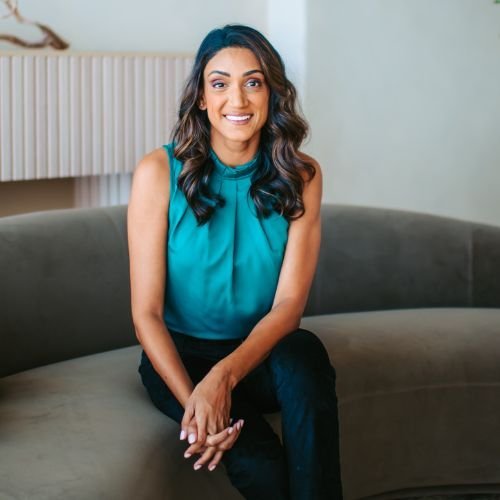
Dr. Elisabeth Marnik (@sciencewhizliz) wasn’t vaccinated as a child. She grew up in an anti-vax household—but today, she’s a scientist, professor, and mom who vaccinates her own children and helps others feel informed, not fearful.
In this episode, we talk about what changed her mind—and how we move the conversation on vaccines away from shaming and toward shared values like protecting our kids.
We cover:
What it was like growing up unvaccinated and how becoming a mom changed her entire perspective
How mistrust in larger systems (schools, government, healthcare) fuels vaccine resistance
What people often get wrong about vaccine hesitancy—and why yelling never changes minds
The difference between being anti-vax and vaccine-hesitant—and why reducing it to a binary doesn’t help anyone
Her powerful quote: “The reason my mom didn’t vaccinate is the same reason I chose to vaccinate—because I want to protect my kids.”
How science communicators can do a better job at discussing vaccines
This conversation was inspired by one of her Substack pieces: ? Read it here
To connect with Dr. Liz Marnik follow her on Instagram @sciencewhizliz, check out all her resources at https://open.substack.com/pub/fromthescienceclass and https://www.elisabethmarnikphd.com/.
Check out the PedsDocTalk Vaccine Guide: https://pedsdoctalk.com/vaccine-guide/
We’d like to know who is listening! Please fill out our Listener Survey to help us improve the show and learn about you!
0:00 – Understanding the Roots of Vaccine Hesitancy
3:09 – Fear vs. Mistrust: What’s Really Going On?
6:27 – How Systemic Bias Shapes Medical Trust
9:30 – The Problem with the “Just Trust Us” Approach
12:37 – Too Much Information Can Backfire
15:35 – Common Parent Fears About Vaccines
18:45 – Conversations That Actually Shift Perspective
21:42 – Validating Without Agreeing
24:57 – When Curiosity Builds More Trust Than Convincing
28:00 – Small Wins That Add Up
Our podcasts are also now on YouTube. If you prefer a video podcast with closed captioning, check us out there and subscribe to PedsDocTalk.
Get trusted pediatric advice, relatable parenting insights, and evidence-based tips delivered straight to your inbox—join thousands of parents who rely on the PDT newsletter to stay informed, supported, and confident. Join the newsletter!
And don’t forget to follow @pedsdoctalkpodcast on Instagram—our new space just for parents looking for real talk and real support.
We love the sponsors that make this show possible! You can always find all the special deals and codes for all our current sponsors on the PedsDocTalk Podcast Sponsorships page of the website.
00;00;00;01 – 00;00;18;25
Dr. Liz Marnik
And it was that experience of becoming a mom that really gave me compassion for how hard it is to be a parent. Yeah, and how hard it is to make decisions and at the end of the day, she wanted to keep me safe. And she thought the best way to do that was to not vaccinate me. And I want to keep my kids safe.
00;00;18;25 – 00;00;32;19
Dr. Liz Marnik
And I know the best way to do that is to vaccinate them. And that’s why they are both fully vaccinated on time, even though that is not what I experienced as my own childhood.
00;00;32;21 – 00;00;54;17
Dr. Mona
Hey friends, it’s Doctor Mona, your favorite online pediatrician and mom friend. Welcome back to the show. I want to start with a little honesty today. Before the pandemic and during the pandemic, when someone questioned vaccines, I’d assume that they weren’t going to vaccinate. I felt like I was going to be wasting my time, my breath. But over the last few years, something shifted.
00;00;54;19 – 00;01;27;18
Dr. Mona
I realized that there’s a big difference between spreading dangerous misinformation and being vaccine curious or hesitant. One group is loud, harmful, and often rooted in conspiracy. The other, which is the larger group, is often a curious parent just trying to protect their child. Unsure who to trust and wanting to make the best choice that they can. Even when I don’t agree with someone’s decisions from a medical or evidence based perspective, I do believe that most parents are doing what they think is best for their kids.
00;01;27;20 – 00;01;48;15
Dr. Mona
As a pediatrician, I stand firm in facts and call out falsehoods. But I’ve also learned that compassion and curiosity are what actually move the needle. During the pandemic, I watched fellow science communicators use fear or shame to try to convince people, and to me, that’s not much better than the anti-vaccine rhetoric we were up against. I actually pulled back from Covid vaccine messaging for a bit.
00;01;48;15 – 00;02;10;12
Dr. Mona
Not because I didn’t believe in the science, but because I wanted to recalibrate to find a way to share the facts without losing trust and without making false promises while sticking to science. It’s also why I continue to educate on vaccines and the importance and of my free vaccine guide. And it’s why I wanted to bring on today’s guest in honor of National Immunization Awareness Month.
00;02;10;15 – 00;02;40;18
Dr. Mona
Doctor Elizabeth Martinek is a scientist, professor, mom and chief scientific officer of those naughty girls. But what makes her perspective so powerful is her story. She grew up in an anti-vaccine home. She wasn’t vaccinated as a child, but today she vaccinates her own children and helps others understand why vaccines are safe, effective and necessary. In this episode, we talk about her experience growing up in an anti-vaccine home, not receiving any vaccines as a child, and now being fully vaccinated and her family as well.
00;02;40;21 – 00;03;09;03
Dr. Mona
How fear, misinformation, and mistrust in larger systems fuel vaccine resistance. What people often get wrong about vaccine hesitancy and why yelling and shaming never changes minds. And her powerful Substack article. The reason my mom didn’t vaccinate is the same reason I chose to vaccinate, because I want to protect my kids. This conversation is a must listen for parents, clinicians, and science communicators who want to bridge the gap and not widen it.
00;03;09;05 – 00;03;30;09
Dr. Mona
Before we dive in, make sure to hit subscribe and download this episode and download any of your favorite episodes. It helps us keep the show growing and bring these conversations to even more families. And after listening, I want to hear your thoughts. Head over to at the Stock Talk podcast on Instagram or Stock Talk on YouTube and join the conversation on our videos for this episode.
00;03;30;12 – 00;03;43;21
Dr. Mona
How can the science and medical community do a better job communicating clearly and kindly? Let’s get into this incredible conversation.
00;03;43;24 – 00;03;47;09
Dr. Mona
Thank you so much, Doctor Liz, for joining me today.
00;03;47;12 – 00;03;49;24
Dr. Liz Marnik
Thank you so much for having me. It’s an honor to be here.
00;03;49;26 – 00;04;24;01
Dr. Mona
It is an honor to have you as well. You know, we have been friends. I put that in quotes. But I do consider you my social media friend. It’s weird that we can have these parasocial relationships online. This is my first time connecting with you. Obviously, via video chat for this conversation. But for anyone who’s not familiar with who you are, if you could introduce yourself and kind of what inspired you to start your channel, but also inspired you to write that article, about your own experience growing up in a I don’t I don’t know if the right term is anti-vaccine home, but you can kind of clarify how you viewed it as
00;04;24;01 – 00;04;24;28
Dr. Mona
a child.
00;04;25;00 – 00;04;49;01
Dr. Liz Marnik
Yeah. So I am a mom of two. I have a six year old and a daughter who’s about to turn three next week. I am a scientist, and like you mentioned, I’m a science communicator and my growing up, I would say I was in an anti-science household because it wasn’t just vaccines that my parents were against, but that was the big one that, really kind of impacted a lot of my life.
00;04;49;01 – 00;04;56;16
Dr. Liz Marnik
I was homeschooled for a long period of time. My first science class that I remember was actually in 11th grade.
00;04;56;16 – 00;04;57;00
Dr. Mona
Oh, wow.
00;04;57;00 – 00;05;14;13
Dr. Liz Marnik
Wild to think about. And it was that science class that changed my life and really set me on this trajectory to eventually go to college and get my PhD and all of those things. But I wrote that article that you found, and I think I titled it. The same reason I vaccinate my kids is the reason my mom didn’t vaccinate.
00;05;14;13 – 00;05;42;29
Dr. Liz Marnik
Yes. And I didn’t really understand growing up why she made that decision. So I remember hearing conversations and she was very she was very anxious in general. She was a she still is a very anxious person. And I remember her talking about vaccines very adamantly against them in these conversations. So this is just information. I was steeped with, and I didn’t really think much of it.
00;05;42;29 – 00;05;59;14
Dr. Liz Marnik
And I don’t even think I understood what the immune system was until I eventually went to college. And then once I got to college and I started learning science and I was a science major, I really started to get angry at that decision that she made. And it really put a strain that plus other things really put a strain on our relationship.
00;05;59;14 – 00;06;27;17
Dr. Liz Marnik
But then I had my own babies, and once I had a really rough birth with my son Owen, I hemorrhaged and lost and needed multiple blood transfusions and then had a very challenging postpartum. And I remember having this baby in my arms, thinking about how enormous the responsibility was to keep him safe and it was that experience of becoming a mom that really gave me compassion for how hard it is to be a parent.
00;06;27;20 – 00;06;48;04
Dr. Liz Marnik
Yeah, and how hard it is to make decisions. And at the end of the day, she wanted to keep me safe. And she thought the best way to do that was to not vaccinate me. And I want to keep my kids safe. And I know the best way to do that is to vaccinate them. And that’s why they are both fully vaccinated on time, even though that is not what I experienced with my own childhood.
00;06;48;06 – 00;07;11;18
Dr. Mona
You’re already bringing up such an important concept in that we think that people who do not vaccinate all of them, by the way, there’s there’s different spectrums of why someone may choose not to vaccinate. Is that there? Everyone at the core is thinking that this is the best decision for their child. Right? Like and it’s so it is interesting that we might not you, you know, think that and we feel that yes, the benefits outweigh the risk.
00;07;11;18 – 00;07;29;04
Dr. Mona
And there’s a whole group of people that look at it as something completely dangerous or that how would I ever inject terminology that I don’t like poison into my kid or something? And it’s so interesting. Sometimes you feel like you’re in this alternate universe. You’re like, wait, we’re looking at the same thing. How are we looking at this?
00;07;29;04 – 00;07;40;20
Dr. Mona
Completely different. What about that science class made you change your sort of viewpoint on science? Was it the teacher? Was it what you were learning? I’m curious about what happened there for you.
00;07;40;23 – 00;07;52;06
Dr. Liz Marnik
I think it was all of the above. It was really a process. So I entered college with a vaccine exemption still. So I didn’t have any vaccines when I entered college. And honestly, I wasn’t even thinking about it.
00;07;52;08 – 00;07;53;02
Dr. Mona
Yeah.
00;07;53;04 – 00;08;22;19
Dr. Liz Marnik
But I was taking these classes and I was starting to learn about the scientific process. I started to learn about the immune system and how it worked. I started to learn about pathogens, and some of them are frankly, pretty terrifying. And I was starting to put all of this information together. But then I started having conversations, and I had conversations with my friends in classes, and I started to see how different their life was compared to how I was raised, because I kind of I’d like to say that I grew up in a bubble.
00;08;22;22 – 00;08;47;26
Dr. Liz Marnik
So because of how I was raised, my parents are were also very religious. So I wasn’t allowed to drink alcohol, I couldn’t dance, I wasn’t allowed to watch Disney movies. So I lived in this very isolated kind of bubble. So when I got to college, I was having these conversations and I started to realize that I had been told that there was one right way to be a good human, and that was to be religious in this very specific way.
00;08;47;29 – 00;09;12;22
Dr. Liz Marnik
And I started to realize that that wasn’t true. And then that was when I started to kind of deconstruct all of the things that I had been raised with. And I started having conversations with my friends and my professors about vaccination, talking about the things that I remember my mom telling me about vaccines. And it was through both that knowledge and then those relationships that I built that made me eventually feel confident to go get vaccinated as an adult.
00;09;12;24 – 00;09;30;14
Dr. Liz Marnik
And I actually got vaccinated about four months before I went to get my PhD, when I knew I likely was going to be in an immunology lab. And by that point I was like, I understand the science, I understand why vaccines are beneficial, and I’m going to go do this. And I went and I was think I was like 23 at the time.
00;09;30;17 – 00;09;48;03
Dr. Mona
And, you know, your mom, you talked about who she was. It does not sound like she was a malicious person. She was doing what she thought was best. You mentioned that. And I think that’s so important to hear. How has that shaped your view of how we should approach vaccine hesitant parents or people now, or has it?
00;09;48;05 – 00;10;03;27
Dr. Liz Marnik
It has for sure. And I about I don’t know when when that first child died of measles a few months ago. Yeah. In Texas because of the measles outbreak, I saw a lot of people making fun of the situation, really saying horrible things about those parents.
00;10;03;27 – 00;10;04;19
Dr. Mona
Yes.
00;10;04;26 – 00;10;23;25
Dr. Liz Marnik
And I that didn’t sit right with me for multiple reasons, particularly because that could have been me if if life had turned out differently in many ways, that could have been a situation that happened to me. So I posted a video about how I really felt like we needed to focus on empathy, and that would be the way of moving forward.
00;10;23;25 – 00;10;26;22
Dr. Liz Marnik
And so many people got mad at me for that. Yeah.
00;10;26;24 – 00;10;33;06
Dr. Mona
I couldn’t in the people in the science community like people who are. Yes, that that seems to happen. And we can talk about that too.
00;10;33;08 – 00;10;59;27
Dr. Liz Marnik
Yes. But people got so mad at me. But ultimately I mean I don’t care about that because I have sat down and I’ve talked to so many parents who have concerns about vaccines. And what I found is that we all have the same goal of keeping our kids safe. That is ultimately the thing that unites all of us, and yelling at each other and being angry at each other is not going to be a way of finding a way forward or changing minds.
00;11;00;02 – 00;11;15;15
Dr. Liz Marnik
And I have changed minds, but it has taken building relationships and being compassionate with people as they grapple with the decision and as I grapple with what information is accurate versus not.
00;11;15;17 – 00;11;23;25
Dr. Mona
Now let’s take a quick break to hear from our sponsors who support helps us keep bringing you this show.
00;11;23;27 – 00;11;42;20
Dr. Mona
And I feel the same way. So when I came out of residency, I was in that mindset that if someone refuses a vaccine, I’ve already kind of put them into this category, that they don’t care. They don’t want to listen, that their own anti-vaxxer and that’s it. Right. And it was a very negative perception of that person. And it was when I became a mother.
00;11;42;23 – 00;12;01;29
Dr. Mona
And that’s kind of the tipping. Like you talked about how that did it for you as well. It was when I became a mother that I started to realize that same concept that I do believe, truly, that people are trying to do the best for their child. And if they’re choosing not to, there’s a reason behind it. Maybe it’s from misinformation, maybe it’s distrust for a medical system, which I see a lot of.
00;12;02;04 – 00;12;22;09
Dr. Mona
And I think as a medical community, you know, on my side, we need to recognize that the medical community has done a huge disservice because of the way it’s structured. Right? The short visit times, the sometimes some doctors who are very you’re going to do this because I say so, and I kind of equate it to parenting, that sometimes we don’t realize that, how that doesn’t work in parenting.
00;12;22;13 – 00;12;37;21
Dr. Mona
It’s also not going to work in a doctor’s office with a peer, like with someone who’s also an adult. Right? Well, it’s because I said so. It’s because I know better. It’s because I’m more educated. What do you mean, you didn’t? You know, you read that online. That doesn’t mean anything. What do you know? Imagine if we talked to a child that way.
00;12;37;27 – 00;13;02;17
Dr. Mona
How off putting that is for all of our listeners who are parents. Human beings don’t want to be talked to that way. And it’s that experience that sort of helped me reach those vaccine hesitant families a little bit more, right? I can’t really turn the mind of someone who has gone so deep on the other side that they’re, you know, slamming papers down, calling me a shill, saying all these terms that are really not kind.
00;13;02;24 – 00;13;19;26
Dr. Mona
But I can get through to those curious patients that are just like, hey, I want to do this. But I read that this is going to happen and I don’t know. And I have been able to and it hasn’t been through. Well, you just got to listen to me because I said so. It’s been through. Tell me, what are you what are you hearing?
00;13;19;26 – 00;13;35;19
Dr. Mona
What is on your mind? What are you worried about and what is it that you’re thinking about and where are you getting that information? So I can talk to you about it and like you said, I think when we change that perspective of, like, these people are not bad people, they’re not malicious, they’re not horrible people that don’t care.
00;13;35;22 – 00;13;56;20
Dr. Mona
That is huge. And like your point, I think the science community online can also do a huge disservice when we go to the other extreme right, like the if you don’t do this, then you’re a bad person. I myself got a lot of flak for how my stance on the Covid vaccine. You know, I am very much a let’s decide together.
00;13;56;20 – 00;14;16;21
Dr. Mona
Not that everyone needs it. I’m like, let’s do joint decision making more so than any other vaccine out there. And from the Pro-science community, I got a lot of pushback like, how dare you? And I’m like, no, I’m having conversations. I’m not saying nobody needs it. And I bring that up because there is a middle ground where we can have these conversations with families, but keep the science there.
00;14;16;27 – 00;14;30;19
Dr. Mona
And I think by doing that, we can turn people around, like maybe for you and say, you know what, I believe this. I believe the science. It’s something where benefits outweigh risk. But if we join them like this, like butting heads, it’s not gonna go anywhere.
00;14;30;21 – 00;14;53;16
Dr. Liz Marnik
No. And I think that’s an a really important point. What I didn’t get to yet is that when I finally had my own shoulder and I sat down, I had a conversation with my mom. Yeah. And she brought up the fact that she I was her first child, and this was in the 80s. And she went to that pediatrician appointment shortly after I was born, having heard some scary story about vaccines.
00;14;53;16 – 00;15;01;11
Dr. Liz Marnik
And she went to that doctor and she asked him some questions, and he did exactly what you said. He told her, you vaccinate your kid because I told you to.
00;15;01;14 – 00;15;02;09
Dr. Mona
Mom.
00;15;02;12 – 00;15;22;08
Dr. Liz Marnik
And she then left, and I never went back to a pediatrician or a doctor until I was a teenager and started having some other health problems. And that. And I’m not going to blame just that 1 to 1 interaction, but there but that really helped push her towards this whole mindset where I have to beg her to go to the doctor if she starts having health challenges.
00;15;22;14 – 00;15;42;01
Dr. Liz Marnik
She had cellulitis once and I had to beg her to go get antibiotics for it. So it really is. I think I like to tell people that I don’t think that we can have providers be the only one fixing this issue because of our health care system. It is broken. You don’t have enough time in those short minute visits to have these hard conversations.
00;15;42;04 – 00;15;53;19
Dr. Liz Marnik
But we also need to acknowledge the fact that people are coming into these conversations, probably having been dismissed by prior individuals with questions. And that’s not going to help change the situation either.
00;15;53;22 – 00;16;09;23
Dr. Mona
Yeah. I mean, I’ve said this in past posts and, you know, podcast that we are pushing them into the hands of pseudoscience. Many, many of this sort of, you know, modern health care system and that if they’re not feeling seen and heard by us, they are going to feel seen and heard by some account that says, I get it.
00;16;09;28 – 00;16;28;09
Dr. Mona
You know, you’ve been injured or this person was injured in this and you know, the side effect. And sadly, me and you both know and I know this truly is that there’s a lot of extrapolation on that end to. Right, like making things up, making up side effects, making up stories to further an agenda which on both sides is not fair.
00;16;28;09 – 00;16;49;12
Dr. Mona
Right on our end. When I say and I say the pro-science like I understand that benefits outweigh risk, I will always be truthful on the stories that I’ve seen, right? The kids that have been impacted by vaccine preventable illnesses, the side effects I’ve seen. But I expect that from the other side as well, which doesn’t always happen. And so parents who are making decisions need truth.
00;16;49;12 – 00;17;06;13
Dr. Mona
And sadly, both sides are. This happened in the pandemic, like the peak of the pandemic, as well. Like we need to be honest about what we’re seeing and you know, what’s being reported to like theirs and all of that. And it’s not always honest. And that is not fair to anyone in the scientific process.
00;17;06;15 – 00;17;27;26
Dr. Liz Marnik
Yeah, I think we just have to realize that again, if we bill, if we want to build from that common ground, we can get a lot farther. So starting from a place of understanding what’s motivating them, why they might have concerns, even if those concerns might seem a little crazy to you, like they’re still very real concerns for the person that you’re talking to.
00;17;27;29 – 00;17;36;12
Dr. Liz Marnik
And you can start from there in terms of trying to build up, to have these difficult conversations and maybe eventually help change those minds.
00;17;36;14 – 00;17;49;08
Dr. Mona
And so for people who assume that vaccine hesitancy is ignorant or selfish, you know, you may see those terms thrown around. What do you wish those people better understood about where those fears really come from?
00;17;49;10 – 00;18;16;01
Dr. Liz Marnik
So I think there’s a couple of things. So one is that we assume, and I saw this a lot in that post that I mentioned earlier. People were like, well, the information is out there, and if they don’t see it or they don’t believe it, then it’s their fault. And I have a lot of issues with that because my mother never went past eighth grade, and she has pretty challenging difficulties navigating like forms and finding information.
00;18;16;01 – 00;18;45;05
Dr. Liz Marnik
I still and have always had to help her with like paperwork and stuff like that. So there’s issues related to access in that way, but also that assumes that there is like that’s a lot of privilege to say that somebody can find the information and access the information and then be able to figure out, well, what is true information versus false information, because false information can look pretty sophisticated, especially these days.
00;18;45;07 – 00;19;11;13
Dr. Liz Marnik
So just because it’s obvious to you does not mean it’s obvious to the person who’s coming to you with these concerns. And if you automatically say, oh, you’re stupid for thinking this way, that’s not going to change minds. In fact, there’s so much data out there that shows that facts don’t change minds, which is hard, right? As somebody who is a scientist, I love data, I like facts, I like information that was really hard for me to grapple with.
00;19;11;16 – 00;19;29;06
Dr. Liz Marnik
Facts will not change minds. You can use them, but that alone will not be enough for you. If you want to change somebody is mind. Or if you want to build a relationship with somebody. Empathy, storytelling, asking questions, building relationships. Those are the things that ultimately will change minds.
00;19;29;08 – 00;19;47;01
Dr. Mona
Well, it’s so funny because like I said earlier, this sounds so much like parenting, right? I mean, you have two small children and like, if I, I really believe it’s the same. And I’m not saying that our peers, like fellow adults, are little children in their in their development. I’m just saying, like how we would talk to a child in terms of wanting them to learn something, wanting them to do something.
00;19;47;01 – 00;20;16;15
Dr. Mona
You would never dismiss, that you would always prioritize the empathy, the connection over anything before mommy said to do this, you know, and I, I use that as an example because I, I like to take parenting skills into the real world because it all comes down to communication, right? I mean, we know that in any healthy relationship, communication is the foundation, whether it’s friendship, whether it’s romantic, whether it’s parent child, whether it’s doctor patient, whether it’s science communicator and their audience.
00;20;16;15 – 00;20;42;29
Dr. Mona
And so that matters. And there is an art to doing it. And I agree with you completely that I think we can better get to those people by that empathy and that connection. And, you know, we talked about this already with the mistrust, not just of medicine but of systems. So maybe school, government, health care. And your mom also had that one experience with the doctor who kind of dismissed her and said, well, it’s because I said, so.
00;20;43;02 – 00;20;58;22
Dr. Mona
How does that broader mistrust fuel vaccine resistance, especially amongst communities that feel unseen or unheard? Or maybe using your mom as an example of how did that transcend into other aspects besides health care when she felt that sort of feeling of dismissal?
00;20;58;24 – 00;21;24;03
Dr. Liz Marnik
For sure. And I think this is a really important thing that often is missing from our side of the conversation. Right? Is we like I think we like to assume everything is fine, but we need to acknowledge the fact that the system is broken and we have, depending on what community you’re a part of, like the Tuskegee trials, like there has been very understandable reasons for certain communities to distrust science.
00;21;24;05 – 00;21;44;27
Dr. Liz Marnik
And it’s only through acknowledging that and saying, yes, I understand, like we did this and it was horrible that we can start to again build that bridge. And in my mom’s case, yes, she has great mistrust of all institutions in general. I was actually I didn’t talk about I mentioned briefly how I was homeschooled, so I was in public school for a little bit.
00;21;44;29 – 00;22;02;01
Dr. Liz Marnik
And then she started to be concerned that public school was going to corrupt me. I wasn’t allowed to go on field trips because she didn’t trust that anyone else would take care of me the same way that I that she would take care of me. So she really just went down the spiral of. I think part of that was also anxiety, right?
00;22;02;02 – 00;22;22;22
Dr. Liz Marnik
So sometimes it’s hard to tease out what was really more motivating, but she really went into this whole area of just not trusting systems in general and not even utilizing she. For a long time, we were struggling to put food on the table, and she wouldn’t even apply for food stamps. So sometimes she would rather like, in her opinion, not not eat.
00;22;22;23 – 00;22;36;03
Dr. Liz Marnik
She made sure we ate as kids, but she didn’t trust the government to actually even provide that resource for her. So it really did start to impact multiple areas of her life and our life as we were growing up.
00;22;36;05 – 00;22;38;14
Dr. Mona
Yeah. And you had siblings are no siblings.
00;22;38;16 – 00;22;40;07
Dr. Liz Marnik
I have a brother. You have a brother.
00;22;40;13 – 00;22;49;07
Dr. Mona
Did he did he have the same impact of, you know, obviously being in that same sort of not vaccinating and changing his mind or was that more for you because of your education?
00;22;49;09 – 00;23;01;24
Dr. Liz Marnik
So interesting. My brother is now fully vaccinated as well. Okay. And that came. He also got vaccinate as an adult because he wanted to go to my father is actually a minister.
00;23;01;27 – 00;23;02;08
Dr. Mona
Okay.
00;23;02;13 – 00;23;16;02
Dr. Liz Marnik
And he was going to go with my father on a mission trip to a country that needed a bunch of vaccines. And he finally went and got all of his vaccines, as far as I know. I think maybe he’s missing some of some, but he is now vaccinated.
00;23;16;05 – 00;23;34;21
Dr. Mona
Yeah, such an interesting story. I think this is so great to hear. And I’m so glad that you wrote that newsletter. And I will be linking it because it’s on your Substack, correct? Yeah, you can access it. Yeah, I’m going to be linking it because I think it’s such an important perspective. You guys can already hear how it’s such an important perspective, given that Liz is now a hardcore science communicator.
00;23;34;21 – 00;23;56;09
Dr. Mona
I mean, she’s one of my favorite accounts on social and kind of reiterating why she’s one of my favorite is that when she presents things, it’s very much this, hey, here’s the here’s what we know. But there’s little judgment. Meaning there’s no none of that sort of if you don’t do this, you are a horrible parent. And that at a it’s very much like, I’m just going to present this here’s what we know.
00;23;56;09 – 00;24;16;07
Dr. Mona
And that’s what it what it should be. You know, and I think I, I used to be very much the rolling eyes judgmental person against this. Like I said, I’m being very transparent about that because I think it’s also important to see that we can evolve, that we can be like a certain way. And for me, it was my thought process around people who didn’t vaccinate.
00;24;16;07 – 00;24;38;18
Dr. Mona
Now it’s a little more understanding than I used to be, and I think that is growth in myself. And I think that’s, like I said, opened up so much more communication and connection with so many more patients that feel like they can trust me for other things as well, because I’m not dismissive about their concern of what they read online about vaccines, or what they read online about some other thing related to health, parenting or development.
00;24;38;20 – 00;24;57;08
Dr. Mona
And so now, as both a science scientist and educator, how do you balance the data with empathy when discussing vaccines, especially with those who may have deep seated fears or general generational mistrust, with the system or with vaccination?
00;24;57;10 – 00;25;05;27
Dr. Mona
Now let’s take a quick break to hear from our sponsors who support helps us keep bringing you this show.
00;25;05;29 – 00;25;28;10
Dr. Liz Marnik
Yeah, so I usually approach this conversation first from listening. So I think a lot of times our first instinct, particularly as a scientist, right, is when they say something you immediately want to be like, no that’s not true. Or whatever. Right. You want to interject I usually start a conversation just listening. I want to listen to what, what are they worried about.
00;25;28;12 – 00;25;52;29
Dr. Liz Marnik
I try to ask question. So where did you hear this information. How did that make you feel. What concerns do you have. What kind of information would help you make a decision. Because finding those things out can really help me figure out, okay, what is it that they’re worried about? Where is that potentially coming from. And then from there it helps me frame the information that I present them in a way that might be the most helpful for them.
00;25;53;01 – 00;26;12;02
Dr. Liz Marnik
So and again, I always like to acknowledge that it’s hard to be a parent, because a lot of the times I’m having these conversations with fellow parents, it’s hard to keep your kid safe in a world that makes it, especially in the US. It’s so hard to be a parent. Yeah, it’s so hard to have to balance all of these things when there’s not that support for you.
00;26;12;02 – 00;26;33;14
Dr. Liz Marnik
So I like to acknowledge that. And then I start to bring in information as I feel it is appropriate and useful and in a way that is tailored to their identity. So if they’re a parent, then I frame the information related to the benefits of vaccination. The data that we do have. But I but I don’t start with data.
00;26;33;16 – 00;26;45;17
Dr. Liz Marnik
I first start with figuring out, okay, what are they worried about? What do they care about? And then how can I frame this information in a way that might reach them? I also sometimes don’t even do it in the first conversation.
00;26;45;23 – 00;26;46;18
Dr. Mona
Yeah.
00;26;46;21 – 00;27;16;17
Dr. Liz Marnik
This stuff takes a long time. It takes sometimes multiple conversations over multiple months to have these kinds of conversations. And this is why I don’t think it can just be a job for providers. I think we all have a role in our community. Friends are also trusted, right? Friends, family members. You can have these conversations and really make a big impact so that it isn’t just one person who is always having to carry the weight, but it’s you have to be patient.
00;27;16;17 – 00;27;22;18
Dr. Liz Marnik
And I think this is the thing I get a lot of times is people will comment, well, I tried that and it didn’t work.
00;27;22;25 – 00;27;24;01
Dr. Mona
Yeah.
00;27;24;03 – 00;27;44;06
Dr. Liz Marnik
And sometimes you might think it didn’t work. I’ve had conversations where I’ve laughed and I’m like, that person is never going to change their mind. But I was like, I planted seeds and that’s all I could do. And then I will find out years later that, like, actually, they did eventually go and get their kid vaccinated. Or if it wasn’t about I have these conversations related to other things to.
00;27;44;08 – 00;27;54;14
Dr. Liz Marnik
So it eventually changed their minds about that. So I think you never know what impact your conversations will be having. But I can tell you that if you go to them and you tell them they’re stupid.
00;27;54;16 – 00;27;54;28
Dr. Mona
Yeah.
00;27;55;00 – 00;28;05;17
Dr. Liz Marnik
That is immediately going to put up a wall. And then no matter what else you tell them, they’re not going to listen, and you’ve lost an opportunity to plant seeds that could eventually bear fruit in the future.
00;28;05;17 – 00;28;21;11
Dr. Mona
I love that, I love that phrase. You just said plant seeds to bear fruit in the future, because that is what it is. And no human being in this world wants to be told that they’re stupid or that their information, or where they got their information is, is pointless. Like even if we feel it’s not a good source.
00;28;21;11 – 00;28;40;07
Dr. Mona
Right? So I use the example of like certain podcasts or other accounts, right. Like even if I don’t like it and I know that they constantly spew information that’s not accurate, I need to first get to that feeling, get to that connection, like you said. And as a clinician, I can attest to the fact that I may have that visit at the one month visit.
00;28;40;13 – 00;28;55;13
Dr. Mona
The conversation about, you know, hey, we’re going to be starting vaccines for two months. They have a lot of questions. A two month rolls around, they’re like, hey, I don’t know. I think I just want to do one and come back and I say, hey, look, I’d rather have you do one, and then we can do that and then we’ll come back in a week.
00;28;55;14 – 00;29;11;24
Dr. Mona
You can do the next one. And then I’ve had families do one, one, one versus all of them together, and I am more open to that than the you got to do all of them together because that’s what’s best. Because I’d rather have the family get all of them in off schedule than none of them at all. Right.
00;29;11;24 – 00;29;37;10
Dr. Mona
That’s kind of my middle ground with how I approach patients. And some people will say, well, you should just tell them that it’s safe. I’m like, of course I’m talking to them about that. But they still have their reservations and I can’t get into their psyche completely to understand all of their reservations. But we can reach a compromise that makes sense, where I’m feeling like the child is more protected than not, and they’re feeling like they’re taking it slower if that’s what they want for their kid.
00;29;37;13 – 00;30;01;27
Dr. Mona
And I have had DMs, I’ve had patients in my office tell me that it was those conversations that made them want to do the vaccine, and it’s like, literally the best part of this job, right? Is that yes, it took a lot of time, Liz. Like I and I think that’s another a hard part is that so many pediatricians now Pooh Pooh those conversations because we we typecast these people into being, you know, they’re not going to ever do it.
00;30;01;27 – 00;30;19;27
Dr. Mona
So why am I going to even bother having the convo? And it’s because I’m going to be honest. I’ve seen it because we don’t have that time. It takes 20 30 minutes to have a conversation about vaccines versus, okay, you’re not going to do it. I can’t, I’m not going to see you until next time. Five minutes done and you can move on to the next patient.
00;30;19;27 – 00;30;36;16
Dr. Mona
And that is a sad reality of the health care system. I strongly believe if we had more time, we’d be having more people get vaccinated because we could explain all the things that you said, the heart to heart, and then maybe a little bit of data if they want the data, or maybe just a little bit of personal story, right?
00;30;36;16 – 00;30;58;01
Dr. Mona
Like, hey, I was nervous too. My son had strokes. I think you had shared some stories about your children, but like my son had a stroke. I was scared about giving him a vaccine because I didn’t know if you’d have a seizure because of this. And those stories really help people feel seen, and they don’t feel like you’re just talking down to them, but talking to them, because that’s all I have anyone wants.
00;30;58;04 – 00;31;18;11
Dr. Liz Marnik
Yeah. And I think that storytelling is a really important aspect because I don’t like saying like, right now, if you think about I don’t like saying asides, right. So I know the other. But like if we think about what the other side does, if we think about the people who are profiting off of misinformation, do. Yeah. Is they usually tell a very scary story about it.
00;31;18;11 – 00;31;24;15
Dr. Liz Marnik
Right. And who knows if that story is true. A lot of times when we’ve done digging, it has been completely made. Yes.
00;31;24;17 – 00;31;24;22
Dr. Mona
Yes.
00;31;24;25 – 00;31;47;26
Dr. Liz Marnik
Completely misrepresented. But they just tell these stories. And stories are actually we our brain is wired for that storytelling. And as a scientist, that has really been a shift that I’ve been trying to do in the kind of communication that I do is I try to lead with a story, and that story is still rooted in reality. It’s still grounded in data, but it is a story that illustrates why this type of thing matters.
00;31;47;28 – 00;32;07;01
Dr. Liz Marnik
And that is more impactful ultimately, because those are the things that will stick in your mind more than like percentages or data. Yeah. Or numbers. That stuff is not going to be remembered by people, but the story and how it made them feel and the impact of that is something that will carry through to whatever happens next.
00;32;07;03 – 00;32;28;23
Dr. Mona
And I think you already alluded to this, but, you know, we’re talking we’re talking about this sort of pro-vaccine anti-vax, like the sort of sides that happen, right? Like there seems to be dichotomies of like, okay, it has to be extremes. But you argue that the reality is more complex. So what are we missing when we reduce this to a binary conversation that you’re pro vax pro-science, anti-vax anti-science?
00;32;28;26 – 00;32;34;17
Dr. Mona
Who are we missing? What are we missing when we do this to our community and our our conversations?
00;32;34;19 – 00;33;12;17
Dr. Liz Marnik
So when we look at the available information we have right now, the majority of people still do value vaccination. That that’s that’s just true by numbers. Yes. We have seen some declines in rates of kids entering kindergarten. But overall the majority still do value vaccinations. So when we just separate it out into these two dichotomies we’re missing all of those people in the middle who are concerned, who they who have questions, again, because they’re being flooded by all of this false information online all of the time, by, again, people who are profiting off of this, which is when I get mad, I don’t get mad at the parent who is concerned for their kid.
00;33;12;17 – 00;33;18;01
Dr. Liz Marnik
I get mad at the people who are profiting off of that. I know it’s not true and vaccinate their own kids.
00;33;18;03 – 00;33;19;02
Dr. Mona
Correct.
00;33;19;05 – 00;33;36;09
Dr. Liz Marnik
Those are who I get mad at and those are people who deserve to be mad at. It’s not the parents who are trying to navigate these things. So when we when we just think about it as just that two sides, we’re missing all of those people in the middle who really just need somebody to talk to them and need to have their questions answered.
00;33;36;09 – 00;34;05;17
Dr. Liz Marnik
And maybe they won’t make the decision you want them to make right away. But at least you’ve had that conversation. And believe me, the the anti-vax people are having these conversations all the time. So by us not engaging and not wanting to have those conversations because we think they’re too hard or we get mad or we think they’re a waste of time, we’re letting more and more people move towards that side, which is not what we want, because virality is most people are just concerned and they’re in the middle, not sure what to do.
00;34;05;19 – 00;34;24;01
Dr. Mona
Right. And I think on social, it’s a little bit different for me because sometimes I’ll get the DMs that are like, you know, the same same old thing. Like, I mean, that when I know they’re just trolling me. Like there’s a difference between trolls versus actual intentional things because recently I posted something and that same tired conversation about, like, you’re only sharing this because you get a kickback.
00;34;24;01 – 00;34;41;06
Dr. Mona
And I’m like, how many times I tell you that pediatricians are the lowest paid specialty, and if we actually go kickbacks, we would be one of the highest paid specialty. But we’re not. We’re all driving our little cars that get us to point A to point B, and we are not rolling in the dough. But I can’t keep explaining that, and that can get a little frustrating when it’s on social.
00;34;41;12 – 00;35;01;03
Dr. Mona
But of course, this is far more than just social. This is like, you know, the the face to face conversations that we’re having. And even with social I do, I am able to connect to people via my, my free resources or, you know, things that I have around vaccines. And to your point, my vaccine guide that I have is always free, completely free.
00;35;01;07 – 00;35;24;03
Dr. Mona
Whereas other accounts are like this vaccine causes this comment e-book for my $20 e-book on how to advocate for vaccines. And I’m like, hey, I’m telling you this information for free on my YouTube and on my guy that will forever be free because I believe that this education should be free. And to your point, that also drives me up a little wall of like that is not fair.
00;35;24;04 – 00;35;36;09
Dr. Mona
You’re this is disinformation. This is intentionally saying that this is going to be harmful data to make money. And that is fear based propaganda. And I myself don’t like that as well.
00;35;36;11 – 00;35;53;23
Dr. Liz Marnik
And it’s ironic a little bit because again, I also get like pharma shill comments to me all the time. And but they don’t seem that there is that dichotomy where, okay, but these people are selling supplements and they’re selling sides and detoxing things like there’s also like.
00;35;53;27 – 00;35;54;13
Dr. Mona
A business.
00;35;54;13 – 00;35;57;14
Dr. Liz Marnik
And that there’s that in their bio most of the time.
00;35;57;16 – 00;36;14;24
Dr. Mona
Yeah. I mean it’s and everything is I mean I will be the first to everything is a business in a way. Right? I mean, everyone’s trying to make a living. I have made it that I believe that health education should always be free. But of course, I have some things behind a paywall, like parenting tips that are more detailed or things like that.
00;36;14;24 – 00;36;34;04
Dr. Mona
But that’s my head. I’m like, I don’t want to make health content something that someone has to pay for. That’s something that I decided to do. But maybe someone else will do something different. But when you’re starting it with fear, you are going with the intention that you are touching those heart strings of like, oh my God, my kid is going to die if I get x, Y, or Z or not.
00;36;34;05 – 00;36;45;19
Dr. Mona
Right? And then you’re selling something that way, which is the worst way to sell things. It’s commonly done because it sells, but it’s not, to me, a high integrity situation.
00;36;45;21 – 00;36;46;23
Dr. Liz Marnik
I agree.
00;36;46;25 – 00;37;05;12
Dr. Mona
Now, in a time when so many of these discussions feel combative, what is your kind of final feeling of how we can reframe this? You know, around the shared values? Like I said, I think we all care for our children, we care for our communities, but what can we do to kind of build that trust again, build that sort of faith in science again?
00;37;05;15 – 00;37;10;05
Dr. Mona
And get people, you know, curious about vaccines and not against them, if you will.
00;37;10;08 – 00;37;34;15
Dr. Liz Marnik
Yeah. So I think we need to first take some of this offline. I think online is very polarizing. I believe science and medical and like health content, all of that stuff should be accessible online because that’s where people are. But I also feel like we can’t rely on that as our only way of having these challenging conversation. So I try to have these conversations in community.
00;37;34;15 – 00;38;00;19
Dr. Liz Marnik
So yeah, meet local moms for coffee. If they have questions, and sit down with them and and see what their concerns about. Obviously that takes longer and takes more time, but we can all do that in ways when we think about it, because you probably know moms in your community who are vaccine hesitant, who have questions. Right. And I interviewed Adam Rattner on my Instagram Live a few weeks ago or maybe a few months ago now.
00;38;00;19 – 00;38;19;04
Dr. Liz Marnik
He wrote the book, booster shots about measles. Okay. And in that conversation, we were talking about how what we really need is a, what we really need is a, like, whole culture where we talk about the success.
00;38;19;07 – 00;38;20;01
Dr. Mona
Yeah.
00;38;20;04 – 00;38;53;20
Dr. Liz Marnik
Because these things are often invisible. So will you, you will you will see scary stories on social media, but then you don’t necessarily see, like, oh, all the times my kid has gotten vaccinated and went play at the park later, right? Or went to play games later. So a lot of this is invisible. And I do think that one thing that can be valuable, that we need to start talking more about the way in which science in general just benefits our lives through new discoveries, through new cures, through all of these things, and really make that more part of our culture.
00;38;53;20 – 00;39;08;22
Dr. Liz Marnik
So share those simple things, share those story. Share. Hey, my kid got vaccinated today and is totally fine, right? So be more open with those conversations. But then ultimately, I think just be willing to sit down and listen to when somebody is concerned.
00;39;08;22 – 00;39;09;13
Dr. Mona
Yeah.
00;39;09;15 – 00;39;34;14
Dr. Liz Marnik
And try to understand what it is that’s motivating that concern and try to find the common ground, whatever that common ground is. Usually, if you’re a parent, the easiest thing is wanting to keep your kid safe. Yeah, because that is that common ground. And then from there, you can again build in those conversations and in that information. But I think we just need to, in general, be more willing to have conversations like this.
00;39;34;14 – 00;39;54;12
Dr. Liz Marnik
They are uncomfortable, they are hard. And they can kind of, you know, depending on how extroverted or introverted you are, they can kind of make you cringe inside. Yes, but but they’re important to have. And I really feel like one of the things I now think about in my role is I know that social media builds an echo chamber.
00;39;54;14 – 00;40;00;24
Dr. Liz Marnik
It’s unfortunate. Right? So I know most of my followers probably already value science.
00;40;00;27 – 00;40;01;17
Dr. Mona
Yeah.
00;40;01;19 – 00;40;24;03
Dr. Liz Marnik
So I’m really trying to move more into ways that I can equip them to then go out and have these conversations in their own communities, because that is where the biggest impact will be, is having these conversations in communities, in moms groups, in faith centers, because that’s where the people are, and that’s where you can have that face to face interaction that often makes the biggest difference.
00;40;24;05 – 00;40;45;07
Dr. Mona
I love that, I love that perspective. I love how you are taking what you know and what you want to do, but obviously escalating it, elevating it to the greater good. Another reason why I loved having you on the show, what you said. These conversations are important. So having you on to talk about this as a fellow science communicator with the history and childhood that you had, it was so awesome.
00;40;45;07 – 00;40;53;11
Dr. Mona
Like, I just really appreciate you taking the time today. Where can people go to stay connected? Obviously your social handles, your newsletter, things like that.
00;40;53;14 – 00;41;23;23
Dr. Liz Marnik
Yeah. So I am most active on Instagram at Science with Lizzie, Liz, Lizzie. But you can also find me at that same handle on all the other social media platforms as well. And then I have a Substack newsletter called From the Science Classroom. Perfect. And then I’m going to put in a plug for those nerdy girls. I am the chief scientific officer for those nerdy girls who are a nonprofit where we translate health and science topics for the general public in ways that are understandable and actionable.
00;41;23;23 – 00;41;26;27
Dr. Liz Marnik
So what should you do with this information once you know it?
00;41;26;29 – 00;41;30;27
Dr. Mona
Well, I you can. I’m a nerdy goodness. I’m a nerdy girl myself, so I love that.
00;41;30;29 – 00;41;35;25
Dr. Liz Marnik
Yeah. Go ahead. I know we all are right. Yeah. And the handle for that is those nerdy girls.
00;41;35;25 – 00;41;53;04
Dr. Mona
Perfect. Well, I am going to be including those resources in our show notes. Definitely give science resources a follow. And if you love this episode, please make sure you share it like we talked about. The more we have these conversations, and the more people know that it’s not supposed to be divisive, that it actually can be this middle ground.
00;41;53;09 – 00;42;08;06
Dr. Mona
I think we can really reach more people. So share this on social media, send it to a Facebook group, send it to your communities. It can really help spark these really compassionate conversations surrounding science and vaccination. Thank you again for joining me today.
00;42;08;12 – 00;42;12;20
Dr. Liz Marnik
Thank you so much for having me. It’s been great.
00;42;12;22 – 00;42;38;04
Dr. Mona
I promised you a very powerful episode. Thank you so much for tuning in today. Do I expect to change the minds of people deeply rooted in anti-vaccine beliefs? Honestly, no. That may never happen. But like Doctor Marnik shared about her own mom, sometimes curiosity creeps in. Sometimes a question leads to a conversation, and sometimes, like Liz, people can look at the same goal protecting their kids and reach a different conclusion.
00;42;38;06 – 00;42;58;01
Dr. Mona
That’s why I’ll always stand firm in facts, call out misinformation, and defend this profession that I love. But I’ll also keep showing up with compassion and curiosity because that’s how change starts. And if you’re a parent who wants clear evidence based info on vaccines, I’ve got a forever free vaccine guide just for you. You can download it at PedsDocTalk.
00;42;58;07 – 00;43;21;10
Dr. Mona
Com or check the show notes. And if this episode made you think or gave you clarity, subscribe and remember download. It helps the show grow and helps us bring these conversations to more families. And after you listen, remember to head to Instagram or YouTube at the PedsDocTalk Podcast on Instagram and join the conversation. What would you like to see done differently when it comes to science communication?
00;43;21;12 – 00;43;27;02
Dr. Mona
Thanks for being here and I cannot wait for another incredible conversation next week on the show.
Please note that our transcript may not exactly match the final audio, as minor edits or adjustments could be made during production.
Need help? We’ve got you covered.
All information presented on this blog, my Instagram, and my podcast is for educational purposes and should not be taken as personal medical advice. These platforms are to educate and should not replace the medical judgment of a licensed healthcare provider who is evaluating a patient.
It is the responsibility of the guardian to seek appropriate medical attention when they are concerned about their child.
All opinions are my own and do not reflect the opinions of my employer or hospitals I may be affiliated with.