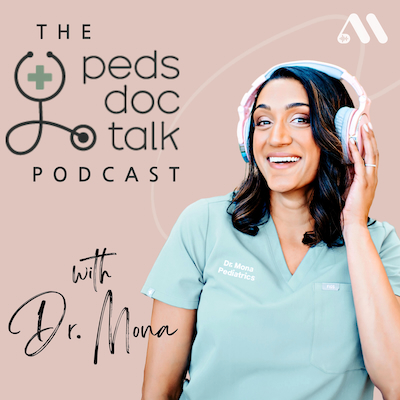

A podcast for parents regarding the health and wellness of their children.
Strength training in pregnancy can feel confusing with so much mixed advice online. In this Follow-Up episode, I revisit my conversation with Amy Kiefer and Krystle Holland of Expecting and Empowered to talk about how movement can support your body during pregnancy, prepare you for postpartum recovery, and help with the real physical demands of motherhood.
We also cover warning signs to watch for after birth, why returning to exercise too quickly can backfire, and how to think about strength in a way that supports healing, not pressure. This episode is a helpful listen for anyone who wants a more practical, realistic approach to movement during and after pregnancy.
In this episode, we cover:
Why strength training can support the body during pregnancy
How movement may help reduce common pregnancy aches and pains
The connection between prenatal fitness and postpartum recovery
Why mobility and pelvic floor function both matter before labor
What to know about exercise clearance during pregnancy and postpartum
Warning signs like leaking, pelvic pressure, or increased bleeding
Why a slow return to activity matters after birth
How pelvic floor therapy can support recovery
The physical demands of motherhood and functional strength
Letting go of bounce-back pressure and focusing on long-term health
Want more? Listen to the full, original episode.
Our podcasts are also now on YouTube. If you prefer a video podcast with closed captioning, check us out there and subscribe to PedsDocTalk.
Get trusted pediatric advice, relatable parenting insights, and evidence-based tips delivered straight to your inbox—join thousands of parents who rely on the PDT newsletter to stay informed, supported, and confident. Join the newsletter!
And don’t forget to follow @pedsdoctalkpodcast on Instagram—our new space just for parents looking for real talk and real support.
We love the sponsors that make this show possible! You can always find all the special deals and codes for all our current sponsors on the PedsDocTalk Podcast Sponsorships page of the website.
00;00;00;00 – 00;00;27;13
Dr. Mona
Welcome back to the show. You are listening to the follow up series on the pedsdoctalk podcast. Where I revisit a favorite conversation of the show in less time than it takes to wonder if your pelvic floor can handle lifting the stroller, the car seat, and the diaper bag all at once. On this show, I welcome guests to chat about parenting and parental health, especially maternal, physical and mental health, because taking care of ourselves is just as important as taking care of our children.
00;00;27;16 – 00;00;57;01
Dr. Mona
And I’m retiring this episode because strength training has truly changed my life. After having two kids, my body went through a lot. I had five surgeries in total, two C-sections, two additional abdominal surgeries one week after each delivery due to complications, and later the removal of a fallopian tube. My abdomen and pelvic floor went through a lot, and for a while I honestly did not feel like myself physically would help me rebuild was pelvic floor therapy.
00;00;57;01 – 00;01;19;08
Dr. Mona
First, shout out to all of the amazing pelvic floor therapists and then moving into strength and functional fitness. That combination is what helped me regain stability, strength and confidence in my body. Again, huge shout out to my trainer, Caleb of Wingman Training in Fort Lauderdale. This is not sponsored, but he has changed my life. Thank you for helping guide me through this process.
00;01;19;11 – 00;01;40;24
Dr. Mona
So if you’re someone who avoids weights or you don’t exercise at all because you don’t know where to start, this episode is for you. Consider this your gentle invitation to get on the strength training train, because it is one of the most important things we can do for a long term health, not just for fitness, but for our bone health and emotional health as well.
00;01;40;26 – 00;02;10;04
Dr. Mona
In this episode, I’m joined by sisters Amy Kieffer and Krystle Holland, founders of Expecting and Empowered. We talk about why strength training matters at different stages of life, how movement during pregnancy can support the body, and even help with postpartum recovery and mindset shifts around working out during pregnancy and after baby. We also talk about how to realistically build strength training into busy lives, because motherhood and parenthood is physical and our bodies deserve the support to keep up with it.
00;02;10;06 – 00;02;32;25
Dr. Mona
But I also understand that we always don’t have the time to do so. So if you listen to this, if this episode resonates with you, make sure you download the full episode in the caption. Download this one. Subscribe. Set up automatic downloads. If you don’t realize downloads really help. Shirt on social media and tag the stock talk podcast and expecting and empowered so we can see that you’re listening.
00;02;33;01 – 00;02;39;17
Dr. Mona
Let’s get into this week’s follow up.
00;02;39;19 – 00;03;02;14
Dr. Mona
Why is strength training so important for you all to educate people on during pregnancy and beyond as well?
Krystle Holland
Well, strength training can really help support somebody’s body during pregnancy. So we hear of like all these aches and pains or, you know, like towards the end it gets really hard to be pregnant. But a lot of those aches and pains could be prevented if we’re doing the right type of movement.
00;03;02;20 – 00;03;21;26
Krystle Holland
My first pregnancy before we developed Expecting and Empowered, I was very fit, but I feel like I was doing a lot of the wrong type of movement, you know, like something’s better than nothing, right? So I still was being healthy, but I just wasn’t supporting my body in that time period. I had like the worst pubic synthesis pain.
00;03;21;26 – 00;03;49;05
Krystle Holland
Other people have prolapse or diocese’s recti. So really, if we’re supporting our body, it’s going to help decrease those aches and pains. And then also do one thing that we don’t talk a lot about either sometimes is on the flip side, when we’re talking about recovering postpartum, like think about when we’re out of the gates quicker, you know, like if we did less things to our body or if we exercise during pregnancy, that’s going to help us recover on the other side of that postpartum period.
00;03;49;08 – 00;04;13;20
Krystle Holland
Additionally, it helps you prepare for labor and delivery. So like in our guides, the last trimester is really working on getting flexibility because actually our pelvic floor needs to get out of the way. We need to have great pelvic motion. A lot of athletes to have a really tight pelvic floor is research studies shows that some of our fittest people are the ones that need the more mobility.
00;04;13;27 – 00;04;36;21
Krystle Holland
Pelvic floor mobility. And so to when we’re athletes, when you were talking before, a lot of it is shifting our mindset. So being able to be okay with working out 30 minutes instead of the hour or everything looks exactly right. So really giving your body what it needs for labor and delivery, even though maybe that might not be like what you love and crave mentally as an athlete.
00;04;36;22 – 00;04;57;22
Krystle Holland
And then additionally, just all those strength benefits. Being a mother is so physical. So people when they’re nursing or bottle feeding their kids like we’re in that forward flex position, like I can remember my first two my like backward burn where it honestly dried feeding my first because it was just so painful and so tight in my upper back.
00;04;57;25 – 00;05;04;09
Krystle Holland
And then so we’re really working on strength training those muscles that are going to help support you in motherhood.
00;05;04;12 – 00;05;25;03
Amy Kieffer
Yeah, I was thinking when Krista was talking one of the things I love when she shares on expecting an empowered on our Instagram page is this idea of, do you have enough strength to pick up the double stroller that you have to pick up and put it into your SUV? Because if you don’t, you could run into things like pelvic floor issues because you don’t have the strength and so it creates more pressure.
00;05;25;06 – 00;05;46;13
Amy Kieffer
So it’s this idea of life takes strength. And as moms, you’re going to be carrying around your newborn. You know how heavy that carseat gets when you’re lugging that around. And then you have everything that comes. So people that haven’t worked out for a while, like one way to think about it, is life takes strength. And so if we can strength train, you’re just more better prepared.
00;05;46;20 – 00;06;03;14
Amy Kieffer
And to Krystle’s point to mentally it’s really hard when you’re in pain. Like she was talking about. My neck was so sore from that forward position of breastfeeding, and so I was constantly thinking about it and like, this hurts so much and mentally it impacts you.
00;06;03;17 – 00;06;21;05
Dr. Mona
Oh, I remember like being completely candid here. So with my son, I worked out I did a lot of weights, like a lot of weights, while I was pregnant with him, like I did cardio as well. But you know, not super high, obviously went to my comfort and it was wonderful. But yes, I think I was also doing things incorrectly.
00;06;21;09 – 00;06;39;14
Dr. Mona
I developed really bad sacrum pain, like I was in tears sometimes. And you know, even with all that even know what I did, I had a really healthy quote unquote pregnancy postpartum, like a C-section. Recovery was really demanding on me. And I had a, you know, had a C-section. I had a repeat surgery a week after for complications.
00;06;39;19 – 00;06;59;29
Dr. Mona
So I took domino surgeries within a week. It took me 2 to 3 months to physically recover. Given what I went through when other women could take six weeks, you know, a little longer than that if a C-section. But it is extremely demanding. And, you know, you said Krystle, that you were also very active before, becoming pregnant and all that, and you’re very physically active.
00;06;59;29 – 00;07;15;25
Dr. Mona
So is I and like you said, pregnancy, but also that postpartum period and having a newborn while healing, it was a a shock, you know, and you’re kind of like, oh my gosh. Like I can’t do a lot of this stuff. But giving yourself some grace and putting into perspective of, it’s not like I’m not going to get there again.
00;07;15;25 – 00;07;38;02
Dr. Mona
Like I’ll be okay, but I got to take it easy on my body and this stuff is important, and I do believe it. I do believe that working out, eating right, all the things that we hear is vital. And then in terms of so I know when when we’re thinking about strength training, when should like what should the patient clear what their doctor is, whether it’s strength training in pregnancy or postpartum?
00;07;38;07 – 00;08;00;28
Dr. Mona
Is there any things that, you know they have to clear with their clinician to just make sure that they’re okay to to do this sort of physical activity?
Krystle Holland
So usually in pregnancy there’s very few things that really need to be cleared. The biggest thing would probably be pre-eclampsia, which is that high blood pressure. And again this can be in moms that have normal blood pressure regularly.
00;08;01;03 – 00;08;21;03
Krystle Holland
But it’s usually C and after 20 weeks of pregnancy. So we’re just monitoring for that. And two of the doctors are usually monitoring at those checkups for those. So as long as you’ve cleared for those little check ups, most everybody should be cleared to exercise. And I do think postpartum it gets a little bit harder to clear for exercise.
00;08;21;04 – 00;08;47;14
Krystle Holland
I feel like what typically happens is when we check at that six week mark, we’re checking for a big things, right? A physician whose job is to keep you and the baby healthy and alive and be looking for big things. What people don’t know is like their job isn’t to look for if you regulate your pressure correctly, if your C-section scar, if you’re doing well with that, or if you’ve, like, totally compensated through back muscles.
00;08;47;20 – 00;09;05;29
Krystle Holland
It’s interesting because in foreign countries you have to go in and see a physical therapist, and they actually are the ones that clear you for activity and returning to sex. And we just don’t have that set up in America. So in the postpartum period, I do think it’s a little bit more important to be clearing for the right things.
00;09;06;07 – 00;09;34;20
Krystle Holland
And so what those look like is any types of symptoms that you think are not normal are probably not normal. So any leaking of urine even during pregnancy and postpartum, because we do know that women that leak in pregnancy, even if they stop leaking postpartum, they’re more likely 15 years down the road to have stress urinary incontinence. And I always think about it as like a yellow flag, you know, like my body is telling me that I had pubic symphysis pain that first pregnancy.
00;09;34;20 – 00;10;05;07
Krystle Holland
That’s like a yellow flag that I have actually a dress sense. So to just because that went away doesn’t mean that I’m like all the way out of the clear. Other things in that postpartum period that it would be really looking for before we’re returning to exercise is this pressure feeling. And so what that feels like for some women is that that you actually have like a golf ball in your underwear, like it feels like there’s heavy pressure or you know, how it feels like right before your period where there’s like a lot of pressure down in the pelvic floor.
00;10;05;10 – 00;10;31;14
Krystle Holland
All of those things could be prolapse. And the great thing is, even if it was prolapse, there’s so many things that we can do to like regulate our pressure down there and to not have those problems. So I think instead of talking these problems up as just like common conditions or the norm, because I had a baby, that there’s so many preventative and healing things that we can do on that back end.
00;10;31;22 – 00;11;02;08
Krystle Holland
But the doctors will clear for physical activity. But like Amy alluded to, we really should have this progression. So too, we like love runners and we are runners, so we literally totally get it. But we know like it’s hard because mentally I like want to get back out to the trails and I want to like pound the trails like I am a person that doesn’t need to train to like usually run 5 or 6 miles, you know, like so it’s hard as an athlete to slow yourself down and do the right progression.
00;11;02;14 – 00;11;20;11
Krystle Holland
But what I’ve seen clinically is it pays off for people and dividends. You know, like we have people that go through our running program inside the app because that has a progression to it, to you who are running faster than they were before they had kids because they did the right progression and took the baby steps back because it.
00;11;20;12 – 00;11;46;21
Krystle Holland
We do know that if we hurry back to activities or to sometimes like, you know, you want to be inside a community, inside a gym, but they might be doing things that your body can’t handle yet. So just taking those slow steps to make sure that your body is going back up to speed and but to if you’re returning to exercise postpartum and you’re seeing this increase and hemorrhage, you’re just going too fast.
00;11;46;21 – 00;11;56;05
Krystle Holland
So we want to back that off. If we’re seeing excessive blood when your blood slowly tapering off.
Dr. Mona
Such great advice because like I said, the taking it slow.
00;11;56;05 – 00;11;57;17
Dr. Mona
I think some of us, especially.
00;11;57;22 – 00;12;16;23
Dr. Mona
What people who are used to being so active content to overdo it and then deal with more of the issues from overdoing. So, this advice is so vital for so many listening today and to it.
Amy Kieffer and Krystle Holland
Like, I can remember my first just that pressure that I put on myself because I’ve never had a time period it that my body had changed so much.
00;12;16;29 – 00;12;38;09
Krystle Holland
So I like wanted to lose weight. If I’m being frank about it. Like I just wanted to be back to my normal set weight, and I wanted that to happen as quick as I could possibly happen. And I remember strapping my baby into, like, my chest and just getting on the elliptical and like, honestly, my only reason for being there is like, how quick can I get my body back to normal?
00;12;38;09 – 00;12;58;03
Krystle Holland
And just so realizing that the older I get and the more kids I’ve had, I realize everything comes in seasons, right? So the season will pass. Like now my youngest is four and I like feels so much stronger than I did before and so much healthier. But like you guys, that’s three years of like, not feeling like myself.
00;12;58;03 – 00;13;17;24
Krystle Holland
So it’s not like a quick turnaround. It seems like for so many people, there’s so many other factors genetics, you know, like what we have going on inside the household, stress levels, other activities that we do in life. So it’s kind of taking that piece out for a little bit I think can be so helpful. The weight loss piece.
00;13;17;26 – 00;13;38;20
Amy Kieffer
Yeah. And we’ve tried to be just really mindful and like a safe place for women to find information like you’re never going to see before and after pictures on any of our content because we just believe really the focus is health and getting to feel like yourself again.
00;13;38;23 – 00;14;00;03
Dr. Mona
And that’s your follow up. Just a small dose of the real, relatable and eye opening conversations we love to have here. If you smiled, nodded, or had an moment, go ahead and download, follow and share this episode with a friend. Let’s grow this village together for more everyday parenting wins and real talk. Hang out with us on Instagram at the PedsDocTalk podcast.
00;14;00;10 – 00;14;15;22
Dr. Mona
Want more? Dive into the full episode and more at PedsDoctalk.com. Because parenting is better with support. And remember, consistency is key. Humor is medicine and follow ups are everything. I’m Doctor Mona. See you next time for your next dose.
Please note that our transcript may not exactly match the final audio, as minor edits or adjustments could be made during production.
Need help? We’ve got you covered.
All information presented on this blog, my Instagram, and my podcast is for educational purposes and should not be taken as personal medical advice. These platforms are to educate and should not replace the medical judgment of a licensed healthcare provider who is evaluating a patient.
It is the responsibility of the guardian to seek appropriate medical attention when they are concerned about their child.
All opinions are my own and do not reflect the opinions of my employer or hospitals I may be affiliated with.