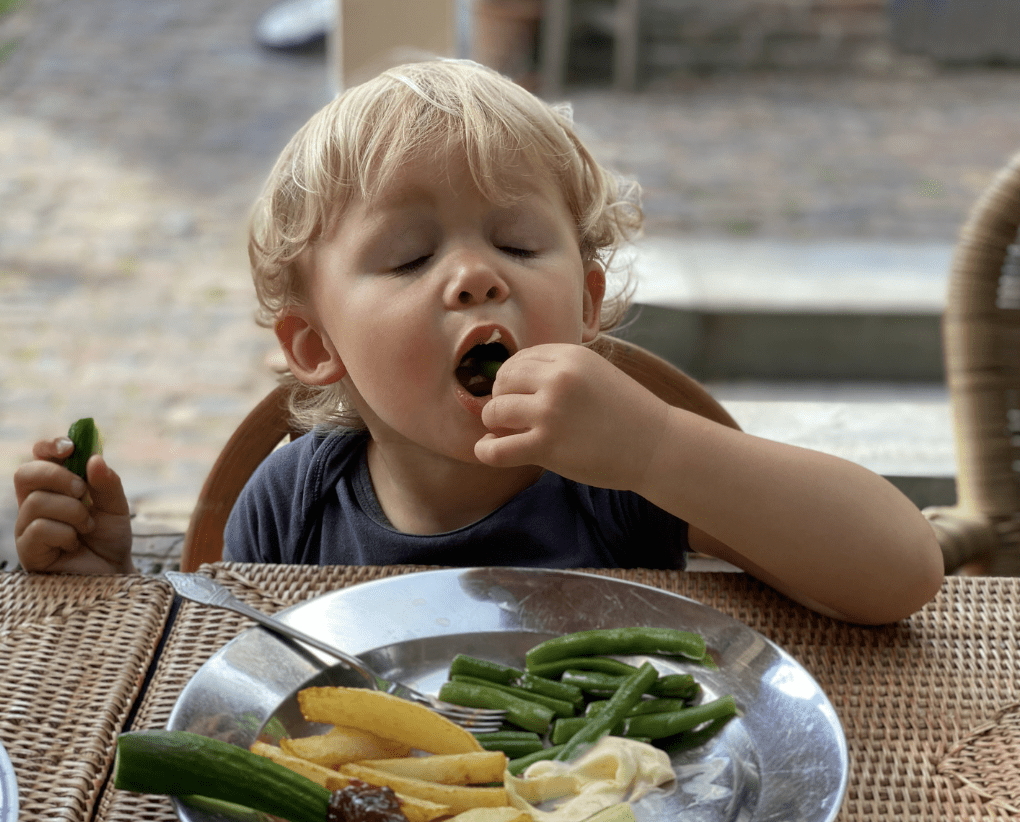
If mealtimes feel like emotional hostage negotiations, “Just one bite, please?” or your child reacts to broccoli like it’s a personal attack, you’re not alone.
Picky eating is one of the most common concerns parents bring up, especially in the toddler and preschool years. And while it can feel stressful (and sometimes defeating), it’s usually a normal developmental phase, not a sign you’re doing something wrong.
Here are seven pediatrician-backed ways to help picky eaters feel more comfortable around new foods, without bribes, pressure, or turning dinner into a power struggle.
This isn’t about forcing bites or turning your child into a kale lover overnight. It’s about building trust, consistency, and a healthy relationship with food.
Why Kids Are Picky Eaters (and Why It’s Normal)
Picky eating is developmentally expected, especially in toddlers and preschoolers. Food refusal often has less to do with the food itself and more to do with:
- Control and autonomy
- Sensory differences (texture, smell, temperature)
- Timing, mood, or energy
And sometimes… it’s just Tuesday. Think of picky eating as a detour, not a roadblock. If your child is growing well and eating some variety over time, that matters more than what happened at dinner tonight.
A Mindset Shift That Helps Picky Eaters at Mealtimes
Before getting into tips, it helps to reset expectations around what “success” at the table actually looks like.
You decide what, when, and where food is served.
Your child decides if and how much they eat.
This is known as the Division of Responsibility, and it’s a game changer. You provide structure. They listen to their body.
Also important: good eaters don’t eat everything. Progress isn’t about finishing plates, it’s about feeling safe and curious around food.
And yes, showing up counts. Sitting at the table. Touching the food. Smelling it. All of that is part of learning.
7 Pediatrician-Backed Tips to Help Picky Eaters Try New Foods
1. Always include a “safe food.”
Every meal should include at least one food your child reliably eats. This could be pasta, rice, fruit, bread, whatever feels familiar. A safe food gives your child a sense of security. And when kids feel safe, they’re more willing to explore.
2. Use a “no thank you” bowl.
A no thank you bowl gives kids a respectful way to say, “Not today,” without the drama. If they don’t want the zucchini, they can move it to the bowl instead of throwing it or melting down. The food stays neutral. The power struggle disappears.
3. Offer dips and condiments.
Dips are food bridges. Ranch, ketchup, hummus, yogurt sauce. If it helps your child touch or taste a new food, it’s doing its job. This isn’t about masking flavors forever. It’s about making food feel approachable.
4. Keep it playful.
Food doesn’t need to be serious to be nutritious. Play reduces pressure and increases curiosity. You can try calling broccoli “little trees” or “dino snacks,” using cookie cutters for sandwiches, and letting kids dip, stack, or build with food. For older toddlers and preschoolers, kid-safe tongs or toothpicks can turn meals into play while building fine motor skills. Exploring is learning, which is one step closer to trying.
5. Involve them in the process.
Kids are more invested in food they help choose or prepare. It can be washing berries, stirring batter, or picking produce out at the store. When children feel ownership, their curiosity grows.
6. Take pressure completely off the table.
This is one of the hardest and most important shifts. No more, “just one bite,” or “you liked this yesterday,” or “try it for me.” Pressure often backfires, and even if a child eats the food once, it can increase anxiety around food later. Respecting their “no thank you” builds trust, which is key in the long run.
7. Celebrate small sensory wins.
Success doesn’t have to mean eating. Sitting at the table? Win. Touching the food? Win. Smelling it? Huge win. When we only celebrate bites, we miss the progress that actually leads there.
What Not to Do With a Picky Eater
Sometimes what we avoid is just as important as what we try.
Avoid bribing with dessert. This teaches kids that dinner is something to endure to get the reward. Dessert doesn’t need to be earned.
Avoid becoming a short-order cook. Serving multiple replacement meals reinforces refusal. Instead, serve the meal with a safe food included.
Avoid dismissing progress. Touching, smelling, or licking food counts. These steps build familiarity and reduce fear.
When Picky Eating Is More Than a Phase
Sometimes it’s not just pickiness, it’s important to pay attention to red flags like:
- Extreme distress at meals
- Refusal of entire food groups
- Poor growth or weight loss
- Gagging or vomiting at the sight of food
- Significant anxiety or avoidance around eating
These may point to conditions like Avoidant/Restrictive Food Intake Disorder (ARFID), sensory feeding challenges, or anxiety, and no amount of dips or playful names will fix that alone. If you’re concerned, talk with your child’s pediatrician. Feeding therapy and early support can make a meaningful difference.
Final Thoughts
Picky eating is common, but that doesn’t mean you’re stuck waiting it out.
With structure, patience, and a little play, mealtimes can shift from stressful to supportive. You’re not just getting through dinner, you’re helping your child build a relationship with food that lasts.
For more context and visuals, watch the full PedsDocTalk YouTube video. And if you’re looking for more in-depth support, the PedsDocTalk Picky Eating Playbook has more step-by-step strategies for toddler feeding and reducing mealtime battles.
You’re doing more right than you think. One meal at a time counts.
Watch the PedsDocTalk YouTube Video HERE!