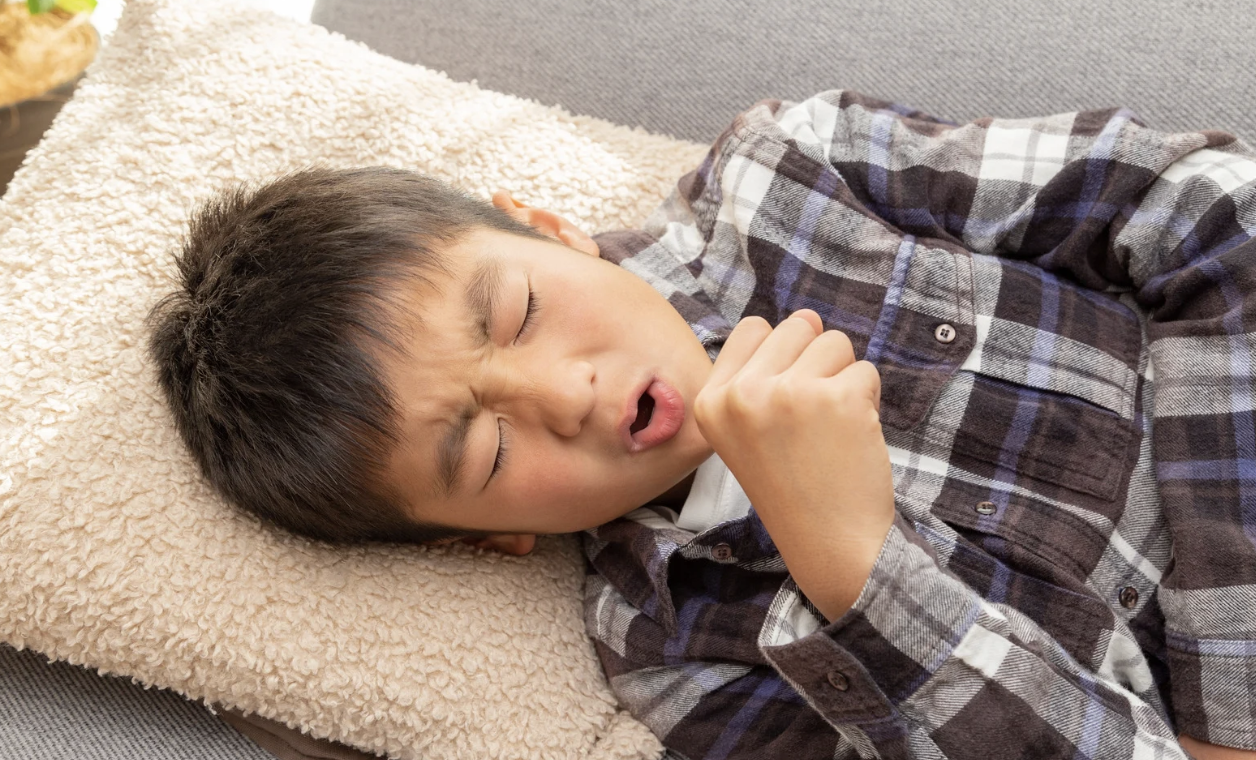
Your child just stopped coughing… and here comes round two.
If it feels like you’re living in a revolving door of runny noses, fevers, and lingering coughs, you’re not doing anything wrong. This is one of the most common frustrations of parenting, especially once kids start daycare or school.
Constant illness can feel overwhelming, so here’s what’s really happening, what’s considered normal, when to look closer, and what genuinely helps reduce illness at home, without relying on overpriced “immune boosters.”
Why Kids Get Sick So Often, Especially in Daycare and School
Once children enter daycare, preschool, or school, it can feel like they are constantly sick. This isn’t bad luck, and it isn’t a parenting failure.
The real reason is that their immune systems are still in training.
At birth, babies receive temporary immune protection from mom. That protection fades around six months, and from that point on, their immune system has to build its own defense library, one virus at a time.
When children start crawling, touching everything, putting hands in their mouths, and interacting with other kids, exposure increases dramatically. Classrooms, playgrounds, lunch tables, and play gyms are essentially social clubs for germs.
For preschool-aged children, getting 8 to 12 viral illnesses per year is normal. Add siblings into the mix, and the number can feel even higher.
It often feels like your child is never fully better because when their immune system is fighting one virus, it can be temporarily stretched. If a new virus shows up before the first one has completely resolved, symptoms can overlap. Airway inflammation can linger, which is why coughs sometimes continue for weeks even after a child is no longer contagious.
Children can also carry more than one virus at a time. Studies show it’s common to test positive for two viruses during one illness. That’s one reason colds can feel never-ending.
Even the healthiest eater, best sleeper, and most outdoorsy child will still get sick. Lifestyle supports recovery, but it does not create a germ shield. There are hundreds of cold viruses, including multiple strains of the same virus, so having one does not prevent the next.
If this season of life feels relentless, it’s because early immune development often is.
What’s Normal and When to Call the Pediatrician
Frequent colds, stomach bugs, and mild fevers are part of the normal childhood package, especially during the first year or two of group care.
If your child is growing well and meeting developmental milestones from well visit to well visit, that’s reassuring. However, certain patterns deserve a conversation with your pediatrician:
- Poor growth or weight loss over time
- Large gaps in school attendance due to illness
- Illnesses that never fully resolve
- Multiple severe bacterial infections, such as pneumonia, repeated ear infections requiring antibiotics, or recurrent sinus infections
- Persistent fatigue long after recovery
True immune deficiencies are rare. Most of the time, it really is just back-to-back illnesses. But if your gut is waving a red flag, trust it and bring it up with your child’s doctor.
The good news is that for most children, illness frequency begins to space out after one to two years in daycare or school. As their immune system builds its library, their body recognizes viruses more quickly and responds more efficiently.
By kindergarten, many families notice a shift. Kids are still exposed to germs, but illnesses are often less frequent and less severe.
How to Reduce Illness at Home (What Actually Helps)
You can’t eliminate exposure entirely, but you can give your child’s immune system a home-field advantage with consistent habits.
Handwashing is the MVP. Before meals, after school, after bathroom use, and after the playground. Use soap and water for 20 seconds, including between the fingers and under the nails. Keeping nails short helps reduce germ buildup. You can build this into routine with simple phrasing: “When you wash your hands, then you can eat your snack.”
Shoes off inside. Shoes track in bacteria, allergens, and debris. Leaving them at the door is a simple way to reduce what comes into your home.
Clean high-youch Surfaces. You don’t need to bleach daily, but during sick season, give doorknobs, remotes, sink handles, and lunchboxes extra attention.
Protect Sleep. Sleep supports immune function. Consistent bedtimes and calming wind-down routines matter. Rest is important for kids and adults alike.
Stay Home When Sick. Viral shedding can continue even after children feel better. Allowing them to rest protects both your child and the community.
Outdoor time and physical activity. Sun exposure for vitamin D and regular movement support overall immune health. Outdoor spaces also reduce transmission compared to indoor environments.
Reduce smoke and allergen exposure. Secondhand smoke and unmanaged allergies can inflame airways, increasing vulnerability to infections or prolonging recovery.
Vaccines. Although they do not prevent every virus, they significantly reduce the risk of severe illnesses like flu, pneumonia, and whooping cough, which helps prevent more serious cycles of illness.
Model the behavior you want to see. Children mimic adults. When they see you washing hands, resting when sick, and prioritizing health, they are more likely to do the same.
What Doesn’t Prevent Illness (Despite What You’ve Heard)
There’s a lot of noise around “boosting” immunity, so let’s clear that up.
Over-supplementing with vitamins does not make a child germ-proof. Research on vitamin C, zinc, and elderberry in children is limited and mixed. More is not always better.
Over-sterilizing your home is not the solution either. Kids need some exposure to train their immune systems. Avoiding germs completely isn’t realistic and doesn’t build resilience.
Fear-based parenting, trying to avoid all exposures, isn’t sustainable unless you plan to live in a bubble.
Balanced exposure, steady routines, and a little perspective can make this season feel more manageable.
Playgrounds, Play Gyms, and the Fear of Germs
Many parents feel uneasy about indoor play spaces, crowded classrooms, or busy playgrounds. The concern makes sense since germ exposure increases in shared spaces.
Avoiding exposure altogether, however, does not eliminate illness in the long term, and it can even delay it. Children will encounter viruses at school, at a friend’s house, or in community settings. Exposure is part of immune system development.
A helpful way to approach this is through a flexible “risk barometer.” When something important is coming up, families may choose to stick to essential activities and hold off on optional indoor extras. Outdoor activities can be prioritized when possible, since transmission is lower in open air. Consistent handwashing remains a steady anchor.
Illness can still happen. But thoughtful, balanced choices can reduce risk without eliminating important social and developmental experiences.
Families with newborns or medically vulnerable members may choose a higher level of caution, and that is appropriate. Staying home during acute illness is one of the most effective ways to protect others in the community.
Instead of viewing every exposure as a crisis, it can help to reframe it as immune system training. Germs are inconvenient and sometimes exhausting, but they are part of how children’s immune systems grow stronger over time.
The Big Picture on Repeated Childhood Illness
Germs are frustrating, exhausting, and sometimes relentless. At the same time, they are part of how a child’s immune system builds strength over time.
If a child is growing well, meeting developmental milestones, and otherwise healthy, frequent illness in the early years, especially in daycare or preschool, is usually a reflection of immune training rather than something going wrong. During this phase, the immune system is building its “library,” one exposure at a time.
Habits like handwashing, sleep, staying home when sick, and balanced exposure help reduce spread and support recovery, but they do not eliminate illness entirely. Getting sick in these early years does not mean something is being done wrong. It means the immune system is learning.
Still have questions? The full PedsDocTalk YouTube video explains why kids get sick so often, how to tell what’s normal from what’s concerning, and which strategies truly reduce illness at home, along with what doesn’t make a difference.
Watch the PedsDocTalk YouTube Video HERE!