
A podcast for parents regarding the health and wellness of their children.
As parents, many of us want to raise kind, empathetic kids, but we don’t always feel equipped to talk about race, bias, and identity in everyday life. In honor of Black History Month, this conversation feels especially important. I sit down with culturally responsive therapist Anjali Ferguson to unpack how early children begin noticing differences and how small, ordinary moments shape their understanding of the world.
We talk about the discomfort adults feel, the fear of saying the wrong thing, and why silence often teaches more than we realize. This episode is not about blame. It is about giving families tools to move forward with intention.
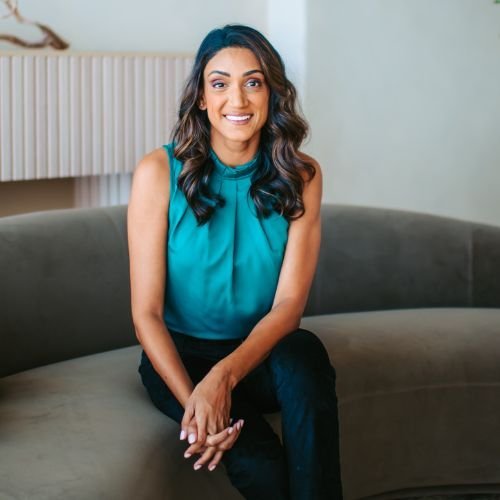
Dr. Ferguson brings both professional expertise and deeply personal experience as a South Asian woman raising biracial South Asian and Black children. Together we explore how culture, trauma, and identity intersect in parenting, and why these conversations are not optional extras, but foundational to raising emotionally healthy kids. Her children’s book, An Ordinary Day, shows how subtle bias can show up in everyday childhood experiences and how families can use those moments to build empathy instead of fear.
My hope is that this episode helps parents feel less frozen and more ready to start small, stay curious, and keep showing up.
We discussed:
• Why kids notice race and differences earlier than most adults expect
• How racial bias forms in early childhood
• The gap in culturally responsive parenting resources
• Growing up between cultures and identity formation
• Raising biracial children and protecting cultural identity
• Everyday microaggressions and their long-term impact
• How racism creates chronic stress in the body
• Generational trauma and epigenetic effects
• The role of racial socialization in protecting children
• Why avoiding conversations about race harms kids
• How parents can respond when bias shows up in real time
• Teaching empathy through ordinary daily moments
• Building diverse environments through books, toys, and media
• Supporting kids when they experience exclusion or bias
• Why parents don’t have to be perfect to start
• Practical ways families can talk about race at any age
To connect with Dr. Anjali Ferguson follow her on Instagram @dranjaliferguson, check out all her resources at https://draferguson.com/ and buy her book “An Ordinary Day”: https://go.shopmy.us/p-65453082 (paid link)
Additional Resources:
00:00 The Hidden Impact of Microaggressions
00:56 Why This Conversation Matters During Black History Month
02:57 Representation in Parenting Spaces
06:34 Dr. Anjali’s Personal Story: Culture, Trauma, and Identity
10:42 Racism as Trauma: A Professional Awakening
14:30 Parenting Biracial Black Children
19:32 When Do Kids Notice Race?
24:56 Inside An Ordinary Day and Why It Matters
31:37 Chronic Stress, Racism, and Long-Term Health
37:13 What to Say When Bias Happens
42:51 Why Every Family Must Talk About Race
47:18 You Will Mess Up, And That’s Okay
Our podcasts are also now on YouTube. If you prefer a video podcast with closed captioning, check us out there and subscribe to PedsDocTalk.
Get trusted pediatric advice, relatable parenting insights, and evidence-based tips delivered straight to your inbox—join thousands of parents who rely on the PDT newsletter to stay informed, supported, and confident. Join the newsletter!
And don’t forget to follow @pedsdoctalkpodcast on Instagram—our new space just for parents looking for real talk and real support.
We love the sponsors that make this show possible! You can always find all the special deals and codes for all our current sponsors on the PedsDocTalk Podcast Sponsorships page of the website.
00;00;00;08 – 00;00;29;12
Dr. Anjali Ferguson
Black children experienced five or more microaggressions a day a day. And over time, that has like a compounding chronic stress effect. And then you add in like large scale, like racist events too. Like it it really throws your system into shock that these moments, in order to be harmful, don’t have to always be big and loud. And these what’s referred to as microaggressions is a misnomer in so many ways too, because they’re not really micro.
00;00;29;14 – 00;00;56;13
Dr. Anjali Ferguson
Over time they, whether a way of somebodies self-esteem and mental health and well-being. And they really make people of color or people who’ve experienced microaggressions start to question their self-worth in different places. That’s that’s how racism works. That’s how racism is intended to work. And these microaggressions have this like chronic stress effect.
00;00;56;15 – 00;01;21;03
Dr. Mona
Welcome back to the show, where we have honest conversations about raising healthy kids and becoming more thoughtful parents along the way. Since this episode is airing during Black History Month, I wanted to create space for a conversation about race, bias, identity, and how parenting is really important for all of that. I’m joined by Doctor Anjali Ferguson, a clinical psychologist, culturally responsive mental health expert and boy, do we need more of that.
00;01;21;05 – 00;01;42;10
Dr. Mona
And coauthor of the children’s book An Ordinary Day, a book that beautifully illustrates how people of color, especially a black child, can experience bias? Doctor Anjali is South Asian, married to a black partner and raising biracial children. We talk about what it means to parent across cultures, how bias shows up in everyday moments, and how families can support children.
00;01;42;10 – 00;02;04;05
Dr. Mona
Growing up in a world where black children may experience multiple microaggressions in a single day compared to white counterparts. What do we say when our child notices differences in skin color? How do we respond when bias happens at school or in the playground? How early do children begin noticing race and identity? And what does it look like to raise kids who understand empathy, fairness, and belonging?
00;02;04;08 – 00;02;24;04
Dr. Mona
This conversation is about presence and recognizing that everyday parenting moments can shape how children understand the world and their place in it. And before we jump in, please. I’ve said this many times, but it’s so important and that’s why I say it. Make sure you subscribe to the podcast. Download your favorite episodes or set up automatic downloads and share this episode with a friend or on social media.
00;02;24;10 – 00;02;42;25
Dr. Mona
Tag PedsDocTalk, the PedsDocTalk podcast and at Doctor Ferguson so we can keep these conversations going and help the show grow. Let’s get into this incredibly important conversation.
00;02;42;27 – 00;02;44;08
Dr. Mona
Thank you for joining me.
00;02;44;11 – 00;02;57;14
Dr. Anjali Ferguson
Absolutely. And I can’t agree with you more. I think this was meant to be. And I’m so, so excited. And I’m really grateful for the opportunity and the platform to be able to speak about something that’s so deeply personal and professional for me.
00;02;57;16 – 00;03;15;07
Dr. Mona
You know, for me, having another woman of color on my show is really important to me. And I say this because I don’t think a lot of my listeners know, but maybe people who are new to the podcast don’t realize that in this space, when I talk about the parenting space in America, there is a lot of white women voices.
00;03;15;07 – 00;03;34;26
Dr. Mona
And not to say that white women don’t deserve to have a voice too. But what happens is that we really leave out that culturally responsive mental health aspect. You know, we can see that through the experiences we’ve had. You can say that through the work that you do as a cultural responsive mental health therapist. And so when you look at the parenting landscape right now, do you see that as well?
00;03;34;26 – 00;03;43;09
Dr. Mona
And what do you see as your place and my place in this world, being culturally responsive and culturally competent when it comes to raising children?
00;03;43;11 – 00;04;09;10
Dr. Anjali Ferguson
Yeah, absolutely. Because of that gap throughout my training, throughout my history, really like my childhood, everything else. That gap remained even as I’m learning evidence based practice. How do you work with families and children? How do you provide this mental health care? And I received incredible training and was built an expertise around culture. And even still, these huge gaps remain.
00;04;09;13 – 00;04;32;00
Dr. Anjali Ferguson
And truly being able to be responsive to different communities and inclusive of different parenting approaches and perspectives. Right. And because of that gap, I founded Parenting Culture in 2021. And it was a conversation that several of my colleagues and I were having for, for many, many years. And it finally came into fruition when many of us became parents ourselves.
00;04;32;02 – 00;04;59;17
Dr. Anjali Ferguson
But that platform is intended to fill that gap with expert backed, research based, resources for parents and professionals and educators on how to build these practices into your work and your everyday life. Because to your point, I do think that sometimes we get, parenting gets painted in a certain light. And it isn’t always, descriptive of the experiences we have.
00;04;59;18 – 00;05;09;00
Dr. Anjali Ferguson
Like, there are many times I would sit there in, learning therapy or doing therapy and I would say, oh, let me try and say this to my immigrant dad.
00;05;09;00 – 00;05;10;09
Dr. Mona
Like, there is no.
00;05;10;09 – 00;05;36;27
Dr. Anjali Ferguson
Way that he would he would sit there and reflect on. Right, right. Like you just said or did like that’s what happened. But there are other ways that we can still kind of tap into presences for those populations. And why why don’t those spaces exist? So that is a huge part of what I do today. And to date, and I do think there still remains this really big gap that I hope that we can just attract more folks into filling.
00;05;36;29 – 00;06;00;20
Dr. Mona
I love that and I you said it beautifully right. I think I learned so much from my colleagues again who may not have the same experience I do, but on the, on the other end they need to learn from us too because you’re really leaving out a large population, you know, obviously. If your client tells in America we are a country of immigrants, we have so many, you know, second first generation people who are trying to parent also, you know, and learn those tips.
00;06;00;25 – 00;06;20;08
Dr. Mona
But also understand the cultural aspect of, like you said, beautifully, there’s certain things that what just won’t land with my father. Well, you know, as much as I like it, too. And I think that’s so key. And, you know, you bring both your personal and professional training, into this work. You know, you are Indian. I don’t think people may know that from your last name.
00;06;20;10 – 00;06;34;06
Dr. Mona
You’re married to a black man, and you’re raising biracial children. So how has that lived experience shaped how you see children, families, and also the way you wrote your book, An Ordinary Day, which we’ll get into.
00;06;34;08 – 00;06;54;21
Dr. Anjali Ferguson
Yeah. I mean, honestly, it’s been instrumental in everything I’ve done. So if I even take it back to how and why I started in children’s mental health, focusing on trauma, that started because of my childhood experiences. So when I was eight years old, my parents decided that they were ready to retire at the age of 40 and move back to India.
00;06;54;23 – 00;07;24;29
Dr. Anjali Ferguson
And they we literally shipped our entire existence like our cars, everything. And shipping containers moved back to India, which was a huge a culture stressor for a kid who has grown and only known American lifestyle and Western individualistic kinds of lifestyles for their eight years of existence. Right. And when we moved there, I attended boarding school because that was kind of the norm of what you did when you have some privilege in that space.
00;07;25;02 – 00;07;50;14
Dr. Anjali Ferguson
Very quickly after moving there, my, parents realized that we were way too acculturated to the American lifestyle and that it wasn’t going to work out. So my dad came back first to restart. My mom came back shortly after, and they just didn’t have the means to bring me back with them. So I was in boarding school in India by myself for for two years of, of, from third to fifth grade.
00;07;50;17 – 00;08;19;03
Dr. Anjali Ferguson
Came back had another a culture of stress experienced reintegrating into American society. Right? And throughout all of this I lived in the greater DC area, which is very diverse. Very, like racially phenotypic, diverse socioeconomically. We’re very privileged in that area. But there are lots of stark contrast to being raised in an Indian household as a South Asian, child.
00;08;19;06 – 00;08;37;23
Dr. Anjali Ferguson
Compared to my white peers or my black peers even. And I felt that contrast so deeply. And while I was in India, too, I was exposed through the the boarding school we attended. We had to do a lot of service related work. So I was exposed to a lot of, like, trauma that I hadn’t really ever seen.
00;08;38;00 – 00;08;54;24
Dr. Anjali Ferguson
And that stuck with me too. And I just knew I wanted to work with children. And for a long time, I thought being in an Indian household, you know, it’s kind of drilled into us. You’re going to be a doctor, an engineer or a lawyer, right? And so my thought was I was going to go into medicine, traditional medicine, and probably be a pediatrician.
00;08;54;26 – 00;09;22;00
Dr. Anjali Ferguson
But there’s something, something just never clicked for me fully there. And the emotional aspect and again, that trauma aspect just stayed with me. And, I started to pursue, psychology once I entered, undergrad and college and, really delved into parenting and child maltreatment. And my research and culture. Culture was always a big part of it.
00;09;22;02 – 00;09;48;08
Dr. Anjali Ferguson
And the first day that I started college, I actually met my now husband. We it’s a very long story, but, we we met the first day, so we’ve been together for, like, the better part of 20 years. Wow. Yeah, a very, very long time. So we’ve grown together in so many different ways. And like you mentioned, he’s black, I’m Indian, and he comes from, a more urban setting and an urban background.
00;09;48;08 – 00;10;12;24
Dr. Anjali Ferguson
I came from suburbia. Very different lifestyles too. We’ve done a lot of learning, both explicitly over the years, because we’ve had to kind of navigate cultural differences and talk about how, some things aren’t accepted in, in South Asian communities. Some things are more easily accepted in black communities. And we navigated that throughout different stages of life.
00;10;12;24 – 00;10;42;13
Dr. Anjali Ferguson
And then in 2015, Michael Brown happened. And I remember in that moment, being really shocked by the response that my black family members were having to the incident. I was like, blown away. I was enraged. I was like, really motivated to start to shift things. And at this point I had been trained. I had graduated with my PhD, again, really heavily trauma and parenting focus.
00;10;42;15 – 00;11;07;01
Dr. Anjali Ferguson
And it became clear to me that we weren’t doing enough in the trauma space to really acknowledge racism and race based traumas and how that influences and impacts historically marginalized communities like black and indigenous communities in this country. Because I’m also seeing those responses, like play out in my family live in response to this, because their response was what looked like learned helplessness to me at the time.
00;11;07;01 – 00;11;33;13
Dr. Anjali Ferguson
They were just kind of like, what are you? Why are you surprised? Like, he’s a black man in America. Of course this would happen, right? And I just, like, I could, like, couldn’t understand it in my brain. And that was a bit of a awakening for me to start to go down this relearning process of I need to relearn everything I thought I knew about systems and racism and how that comes through in everyday life.
00;11;33;15 – 00;11;49;17
Dr. Anjali Ferguson
And really sort of shifting the trajectory of my work. And then in, 2019, we had our first child, and that was another experience that kind of pushed even more learning. Because becoming parents, you know, there’s this like urgency to try and like.
00;11;49;20 – 00;11;51;13
Dr. Mona
Fix what’s right.
00;11;51;15 – 00;12;23;09
Dr. Anjali Ferguson
Right. And I felt this burden as, like the non-black parent in this, partnership to make sure that I was still creating environments for my biracial black child where he knew that he was like his identity and his blackness is just as important as his identity and his, South Asian ness. And how do we make sure he embraces that and has, like, really strong, self-confidence and identity and belonging with that?
00;12;23;14 – 00;12;49;29
Dr. Anjali Ferguson
And how do I protect him from the racism that exists in the world? And I know that I can’t always protect him from everything, but how do we start to make shifts? And, it’s crazy because you like, you start to see it impacting your child even when they’re young. And one of the things that sparked my husband and I to come up with the idea for the book was, you know, we’re out taking taking our son to extracurricular activities.
00;12;49;29 – 00;13;12;23
Dr. Anjali Ferguson
He was two years old at the time, and we live in a city, and most of the city based. There isn’t a lot of city based extracurricular opportunities. So whenever we want to enroll our child in soccer or gymnastics, we have to drive out to the suburbs to do that, right? And, in this part of Virginia, the suburbs are predominantly white.
00;13;12;26 – 00;13;34;01
Dr. Anjali Ferguson
Certain level of privilege to be able to afford that. Right? So we’re usually the only family of color that’s in that space. And we, we feel it pretty immediately. And it was just heartbreaking to me that kids were responding to my child already, in the same way that my husband and I have experienced microaggressions throughout. Right.
00;13;34;01 – 00;13;52;18
Dr. Anjali Ferguson
So we’re at gymnastics when he was two years old, and a white child is like literally screaming in fear when he sees my son and running away. Or people are just coming up and playing with his hair, like thinking they’ve got the, ability to just be that intrusive and just dig their hands through his hair.
00;13;52;18 – 00;14;25;29
Dr. Anjali Ferguson
Right. Strangers that we don’t know. So all of these moments, like, we’d always sit there and we’d kind of process and think through it, and we joke about it, and we, we’re basically like, there’s nothing. There’s nothing that exists. For helping families understand how to navigate conversations around race and how to have that with their children, because it’s really important for us to start those processes at a young age, so that children of color aren’t harmed and white children aren’t perpetrating or being harmful in the process.
00;14;26;02 – 00;14;30;26
Dr. Anjali Ferguson
Right? So that’s how the book came to be.
00;14;30;28 – 00;14;59;26
Dr. Mona
Now, let’s take a quick break to hear from our sponsors who support helps us keep bringing you this show. For I love your experience. I love your storytelling. That’s what I love about this podcast, right? To be able to allow people to share their inspiration. And also what you said beautifully about the fact that you are you are a South Asian woman, already a minority in a way, protecting your biracial child and protecting his blackness.
00;14;59;27 – 00;15;16;24
Dr. Mona
Right? You are. You are doing this dual role of also being an immigrant, having own biases that you know, South Asians deal with, but also dealing with the biases that your, you know, black child has to deal with. Did you find that you were equally protective on both, or did you find that you had to protect him more for the blackness?
00;15;16;24 – 00;15;36;18
Dr. Mona
Like, is there I’m curious how that was raising to, you know, ethnicity of, you know, a minority in America and also black, black Americans who still are very disproportionately, respected and, you know, and we know in health care, in communities, the, not only all the things that we see there, but the bias that exists for them.
00;15;36;20 – 00;16;04;28
Dr. Anjali Ferguson
Yeah, yeah, I would say I feel that I’m more protective of his blackness because anti-Blackness is so rampant. Yeah. South Asian communities. And it’s something that has been experiences to date. Like, again, he’s been with me for 20 years and the blatant, explicit anti-Blackness that he experiences and then I experience as a product of it to is like bewildering, honestly, to where like burn 2026.
00;16;05;01 – 00;16;26;29
Dr. Anjali Ferguson
But we also know historically how the aunties and how the uncles and everybody like to speak in our community. Right. There’s a lot of social comparison and that anti-black this really like drives so many factors. So I do find that I am more protective of his blackness in, in a sense that I’m like much more like boundary setting around it, right?
00;16;27;05 – 00;16;51;14
Dr. Anjali Ferguson
To where, we just don’t take it. And we’re very quick to be, direct about how it’s inappropriate. Certain behaviors are, I will say, when it comes to black communities, I have felt much more welcomed and embraced in black communities than I even do in South Asian communities. I like I think, folks, I’ve heard people say I’m not Indian enough because I married a black man.
00;16;51;20 – 00;17;18;01
Dr. Anjali Ferguson
Right? Or I don’t understand South Asian mental health because I married a black man. And, you know, my kids aren’t Indian enough because they’re part black, versus in black communities. There’s so much like some of my closest friends, some of our closest community members here in Richmond are black, and we’re always welcomed into various spaces. People are always really eager to learn about Indian holidays.
00;17;18;01 – 00;17;40;11
Dr. Anjali Ferguson
Like we love it. We throw a huge The Valley Party every year. We throw a huge Holi party every year. And our friends and family who are not Indian, come in, embrace that wholeheartedly. And they love it and they’re curious. And I don’t get the same from South Asian community members. Right. And that is something that I think we have a lot of work to do internally.
00;17;40;14 – 00;17;52;16
Dr. Anjali Ferguson
For the last several years has been some of the work that I kind of carve out and do in that South Asian mental health space is kind of addressing the anti-Blackness. But yeah, I think that answers.
00;17;52;19 – 00;18;14;14
Dr. Mona
Yeah, it did. And, you know, I really appreciate that very, you know, vulnerable and personal, guidance. And, you know, we I can connect with you on the South Asian experience, obviously. And I love that you’re adding this new perspective because I get to learn and we’ll get into like biases. We’ll get into like, you know, the things that I’m just trying to educate myself on, that experience of being a mother to a half black child, you know, and being married to a black child.
00;18;14;14 – 00;18;34;06
Dr. Mona
And I, you know, what you mentioned about the South Asian world? I don’t speak my native language. Gujarati or Hindi very well. I can understand it, but I know Spanish. My before the, the in the, in Gujarat, the, you know, like I know a much better and I see, South Asian creators say like, you know, if you don’t know your native language or if you’re not cooking the food, you’re not Indian enough.
00;18;34;06 – 00;19;04;07
Dr. Mona
And I’m like, it just feels like, well, where do I belong? And I’m like, I very much am Indian. You know, I love being South Asian. I love celebrating the holidays. But just because I don’t do X, Y, and Z doesn’t mean you know I’m not Indian enough. And I think that’s a huge disservice to our communities. Whether you are Chinese, Indian, black, where you don’t think people are not Indian enough or black enough, or, you know, Chinese enough, if you don’t do a certain checklist now you are alluding already to your book, and I, I want to ask you this question before we get into it.
00;19;04;09 – 00;19;26;01
Dr. Mona
So many people think that race and identity come up later, right, that biases are later, you know, not in babyhood or early childhood. And as someone who’s so deep on early childhood education and parenting, I can disagree. And I know you do. From your perspective, how do race, culture, and identity shaped children’s development much earlier than people expect?
00;19;26;01 – 00;19;31;28
Dr. Mona
And how do those biases, which we’ll get into, have a negative effect when it’s done? So from a young age?
00;19;32;01 – 00;19;59;05
Dr. Anjali Ferguson
Yeah, yeah. I mean, babies, as soon as they’re born are starting to identify what’s safe, what’s stable. And they do that by categorizing what they see. Right. And that’s typical. That’s not like we categorize what’s good and bad, what’s black and white, what’s you know, that’s all typical. The same happens with race. So babies are noticing race based differences as early as 4 to 6 months old.
00;19;59;07 – 00;20;25;10
Dr. Anjali Ferguson
And by the time a child is 2 to 4 years old, they’ve already developed racial biases and that is informed by their opportunities for things like racial socialization. Are they getting to see other races? Are they getting exposure to other cultures? How are their parents reacting when their parents encounter people of different races? Kids are little sponges and they’re just absorbing all of that, right.
00;20;25;12 – 00;20;49;23
Dr. Anjali Ferguson
And then by the time a child is 10 to 12, they become pretty set on their racial biases. So changing things after that gets a little tougher. And I always like to use this example, this incident that happened for us, to illustrate some of the science because, you know, study this, I know this conceptually. And then, we had our first child at the end of 2019.
00;20;49;26 – 00;21;10;29
Dr. Anjali Ferguson
So he was born about like three months before Covid hit. And, the the day I was supposed to go back for maternity leave, lockdown hit. So we became, like, pretty isolated. We, stayed really just the two of us. And then immediate grandparents because we have some family members with, health risk and we don’t know what Covid was going to do.
00;21;11;02 – 00;21;31;20
Dr. Anjali Ferguson
So all my son knew for the first like nine months, and his wife was mommy, who’s Indian daddy, who’s black grandparents from those respective communities. Right. And like, like literally brown and black people was all he saw because we were really intentional about representation in toys and books. And, you know, the only thing that calmed him down when he was upset was Bad Bunny.
00;21;31;23 – 00;21;53;01
Dr. Anjali Ferguson
Yeah. But at this time, really, I love him still. He still loves some bad bunny and reggaeton. But that’s all he saw. And. Yeah, right. And I remember when he was about six months old, we were taking a walk in the neighborhood. And he’s also this, like very social, very friendly baby. Like, he would like hop out of his carrier to wave at people.
00;21;53;07 – 00;22;03;02
Dr. Anjali Ferguson
So, yeah. And we’re taking a walk in the neighborhood, and we ran into a white neighbor and he had this, like, fear stricken, like just panic.
00;22;03;08 – 00;22;03;21
Dr. Mona
Yeah.
00;22;03;21 – 00;22;21;12
Dr. Anjali Ferguson
And we both, like, my husband and I were like, what is happening? Like we are we are not used to him being this way. And the minute we left, he was fine. And then this happened like another time. And then I just like thought back. I was like, oh my gosh, he’s not used to seeing white people. Yeah, because whole world has been so focused on black and brown folks.
00;22;21;12 – 00;22;45;10
Dr. Anjali Ferguson
And that’s been normalized for him as safety. He’s not used to seeing white people, and white people are scary to him. And this is a process that happens for every child. And what ends up happening for marginalized and minoritized kids is eventually they enter the world where they become a minority. They have to assimilate, and they have to adjust, just like my son did.
00;22;45;10 – 00;23;10;25
Dr. Anjali Ferguson
And like, you know, he’s got plenty of white friends now. But they learned to figure it out because they become socialized. What doesn’t always happen is the reverse, though. So white children don’t always have opportunities where they’re socialized with peers or people who are different from them. I think the statistic a couple years ago was something like 75% of white people have white only social networks.
00;23;10;27 – 00;23;39;11
Dr. Anjali Ferguson
And that limit of socialization really keeps you from understanding different perspectives, building empathy, understanding, that differences are okay. Right. So, yeah, I mean, I think it’s a, it’s a huge misconception that kids aren’t ready to have those conversations because they’re noticing these differences. And I’m sure many of us with young children have also probably had an experience where they’re pointing out these experiences.
00;23;39;13 – 00;23;56;08
Dr. Anjali Ferguson
And as a parent, you’re like, oh my gosh, this is so embarrassing. Like, don’t point out that person’s skin color or how they’re dressing or their gender or something, right? Like we all panic because we don’t have the resources or the skills to have those discussions. And the issue isn’t that kids aren’t ready because they’re asking the questions.
00;23;56;08 – 00;24;02;05
Dr. Anjali Ferguson
They’re pointing things out. The issue is that the adults aren’t ready for those conversations.
00;24;02;08 – 00;24;15;21
Dr. Mona
I agree, and I mean we’re going to get to that because the parents tend to freeze right, worrying that they’re going to say the wrong thing or offend. And before we get into that I want to talk about your book. And so if anyone’s watching the YouTube, if you can hold your book up short, ordinary day. Yeah.
00;24;15;21 – 00;24;37;24
Dr. Mona
And I will be having that as well. I, we did a last minute, coming on the show, so I don’t have it yet, and I can’t wait to buy it because this book centers on something really important, how everyday moments can carry deep meaning and also bias that we don’t always see or are not as loud as what we think are obvious acts of microaggressions or racism.
00;24;37;24 – 00;24;56;09
Dr. Mona
What does this book represent to you and how can families notice these ordinary daily moments as opportunities to teach empathy and awareness to their kids? Now, let’s take a quick break to hear from our sponsors who support helps us keep bringing you this show.
00;24;56;12 – 00;25;24;04
Dr. Anjali Ferguson
Oh yeah. Yeah. So I mentioned my husband and I, co-wrote this book and, came up with the idea really as a product of starting to parent our son, and experiencing these microaggressions ourselves, like, throughout life. And we really wanted a book that wasn’t highlighting black trauma. Right. Because there’s a lot of emphasis on the black experience being really traumatic.
00;25;24;04 – 00;25;46;29
Dr. Anjali Ferguson
Right. And there is a lot of historical trauma there. But we also wanted to have this just be a typical day so that folks understand that these moments, in order to be harmful, don’t have to always be big and loud. And these what’s referred to as microaggressions is a misnomer in so many ways, too, because they’re not really micro.
00;25;47;01 – 00;26;17;10
Dr. Anjali Ferguson
Over time they weather away at somebodies self-esteem and mental health and well-being. And they really make people of color or people who’ve experienced microaggressions start to question their self-worth in different places. That’s not how racism works. That’s how racism is intended to work. And these microaggressions have this like chronic stress effect. Right. And there’s a lot of science that also connects, like chronic stress and racism and impacts of racism to health outcomes later in life, too.
00;26;17;10 – 00;26;43;15
Dr. Anjali Ferguson
If we look at things like, the Aces study, for example, Adverse Childhood Experiences Study, which showed that, early childhood experiences with adverse events led to things like heart disease, cancer, diabetes in adulthood. So we see that racism and trauma have similar weathering effects over time. I think there was even a recent study that just came out a couple weeks ago that really clearly illustrated this for black communities.
00;26;43;17 – 00;27;05;04
Dr. Anjali Ferguson
So the book itself, follows a white child and a black child starting their first day of kindergarten, and they’re both having the same experience side by side. And it’s just nuanced, different for each kid. Where you’ll see the white child has just baked in privileges in certain ways, and the black child is experiencing microaggressions throughout the day.
00;27;05;06 – 00;27;33;10
Dr. Anjali Ferguson
But it ends with both of them having a great day. Like they go to bed saying, oh, that was a great day. And again, we just wanted to illustrate that these harms can happen so subtly and, not be so, like immediately apparent, but they are still worthy of us kind of reflecting on like our role in these systems, how we might be contributing to these harms and use it as a tool to start a conversation with children.
00;27;33;13 – 00;27;50;25
Dr. Anjali Ferguson
It is a picture book, so it’s intended to be used with young children. But when we were beta testing it, we were using it with all ages, and we had so many teenagers tell us how eye opening and helpful it was for them and how it helped association with their parents. And they really wished they had resources like this when they were younger.
00;27;50;28 – 00;28;03;09
Dr. Anjali Ferguson
In the back of the book, there are some questions that families can use to spark conversation with their kids, and then even a glossary of terms that they can describe different things like bias or privilege to children.
00;28;03;12 – 00;28;18;24
Dr. Mona
Oh, I love it. And I think one example that you had in the book, which you shared with me, if you want to share the one about the running, just to give an example for our listeners who are going to buy the book, I need you to buy the book because it’s just a phenomenal way. Like she said, to show to the children side by side.
00;28;18;24 – 00;28;25;13
Dr. Mona
But yeah, about the running one. So just kind of maybe read it for what? Or explain it to maybe someone who can’t see visually what we’re talking about here.
00;28;25;15 – 00;28;46;21
Dr. Anjali Ferguson
Sure. So we have, both Maleek and Logan running into class ready for their first day. Logan’s running in, and his kindergarten teacher is high fiving him and saying, wow, you’re really excited for your first day. And Malik is also running in. But his teacher saying, slow down, you’re really excited for your first day. Right. Same language.
00;28;46;21 – 00;28;47;04
Dr. Anjali Ferguson
Yes.
00;28;47;04 – 00;28;47;28
Dr. Mona
Tone though.
00;28;48;05 – 00;28;53;24
Dr. Anjali Ferguson
But the tone and the response. So if you even look at the imagery our illustrator did a really great job right.
00;28;53;29 – 00;28;54;11
Dr. Mona
Yeah.
00;28;54;18 – 00;29;26;05
Dr. Anjali Ferguson
Logan’s teacher is really excited. She’s open. She’s embracing. And Malik’s teacher is more stern and correcting of his behavior. Right. Even though it’s subtle. And so every incident in the book is backed by psychosocial science too. So we really try to bake in the literature but make it digestible. So there’s a depiction in here of, what’s referred to as like the 30 million word gap that we see between white families and families, under-resourced families.
00;29;26;07 – 00;29;51;27
Dr. Anjali Ferguson
And, that gap refers to the amount of words that a white child hears before the age of three versus, black children. And a lot of times that stat, how it’s presented is really critical of families of color. Right? Like just read more to your kids. Why can’t you spend more time talking to them when we aren’t taking into consideration like resources and availability and privileges that might not exist for certain families?
00;29;51;27 – 00;30;27;10
Dr. Anjali Ferguson
So Malik, his family, he has multiple siblings who some are younger. His mother works late. So she’s unavailable to read for him at bedtime because his dad is helping his other siblings. Yeah, Logan’s parents are able to read to him every single night. So he’s building this vocabulary and getting this exposure, right. So, having folks just again, think critically about even the science that does exist, how we frame it, how we discuss it, making sure that we’re being responsive again and, thoughtful about even the bias that might exist in our research and literature space to.
00;30;27;12 – 00;30;46;15
Dr. Mona
I love the obviously, the science and the support of the entire book and making it tangible. And you said that there’s obviously teenagers that are really resonating with it. And one thing that you mentioned, and this could be its own episode, was about chronic stress, racism, and obviously adverse childhood experiences and how all of that can have a huge effect on health.
00;30;46;15 – 00;31;12;25
Dr. Mona
Right? Racism. A lot of my listeners may not be aware of why, you know, they may not have experienced racism, maybe that they haven’t. And now we should be educating them on what that means in like the shortest way possible. I know we could do a whole episode. Explain to our listeners who may not understand why racism in itself would cause those sort of chronic stress, physical outcomes, and what the parent of someone like Malik can tell them every night.
00;31;12;25 – 00;31;37;23
Dr. Mona
You know, you said in those but in the book, like they both had a great day, were perceived to be a great, great day. But of course, Malik experienced those moments that really made it different. How does someone who’s raising a child, who who may be experiencing those micro moments that add up, how can they talk to their child about that, to give them that self, give them that self-worth and that identity, that racist remarks can actually, you know, push down?
00;31;37;25 – 00;31;40;24
Dr. Anjali Ferguson
Yeah, yeah, yeah. I mean, we could probably spend two hours.
00;31;40;28 – 00;31;41;24
Dr. Mona
Yeah.
00;31;41;27 – 00;31;43;04
Dr. Anjali Ferguson
Racism.
00;31;43;06 – 00;31;45;27
Dr. Mona
You just have to come back on the show. But yeah.
00;31;46;00 – 00;32;05;16
Dr. Anjali Ferguson
But yeah, I mean, so we have a lot of science about, like, the impacts of trauma and trauma based stress on the body. And that has both physiological impacts and emotional impacts, and it impacts our parenting styles and the way we just, like, interact with the world. But chronic stress over time just weathers away at the body.
00;32;05;18 – 00;32;35;13
Dr. Anjali Ferguson
Puts body in fight or flight mode. Makes people more hypervigilant. And this can increase things like anxiety, depression, even, impulsivity. Haber’s. And then like I said, all those physical health outcomes also come into play when your nervous system is just under threat all the time. Right. And what newer contemporary literature has found is like even things like microaggressions, which again, is is an incorrect way of even framing them because they’re not small for the person who experiences them.
00;32;35;13 – 00;33;05;23
Dr. Anjali Ferguson
Right. Black children experience five or more microaggressions a day, a day, and over time that has like a compounding chronic stress effect. And then you add in like large scale, like racist events too. Like it it really throws your system into shock. And then when we, look at, intergenerational generationally, our bodies also carry over trauma and stress that our ancestors have, experienced historically too.
00;33;05;25 – 00;33;36;16
Dr. Anjali Ferguson
So we see through literature that like experiences with folks who are Holocaust survivors, right? They, their children had greater rates of, anxiety disorders, PTSD symptoms and depression than Holocaust survivors themselves. So this generational impact of stress response is psychological. And there’s like epigenetic factors that kind of change in alter make the body more prone to stress responses, too.
00;33;36;17 – 00;34;02;02
Dr. Anjali Ferguson
We see this with indigenous communities, with the impacts of colonization. We were probably going to see this with the impacts of Ice detention and Ice raids with immigrant communities, specifically Latino communities. Right now. And we see this with enslaved communities like the black communities here in the United States. And when that has happened for centuries, but a lot of undoing that we have to rebuild safety and healing around.
00;34;02;02 – 00;34;34;21
Dr. Anjali Ferguson
And we’re nowhere near that with everything that we’re experiencing currently. So you, you now like how how do we protect our kids from this? Well, black scholars and black families have been doing this process for years, and it’s documented in the literature as racial socialization is what the, the academic term for it is. But many listeners might have heard it as being referred to as the talk that black families have with their kids, right?
00;34;34;23 – 00;34;56;29
Dr. Anjali Ferguson
Where they basically are preparing their children to know that they’re going to experience racism in the world. They’re going to experience prejudiced in the world, but still, like, reaffirm and build up black pride and black identity because that is what keeps you connected to community. It’s what keeps you grounded and helps you, whether through these micro and macro aggressions that you’re going to experience.
00;34;57;01 – 00;35;17;08
Dr. Anjali Ferguson
They also know, like through having these discussions, they can go talk about these things with their family, with their parents. They’re going to be validated through that response. Right. Not all communities do that. Like I know like South Asian communities. We don’t ever racially, socially socialize our children or have those kinds of conversations like our responses are always like, we don’t talk about those things.
00;35;17;11 – 00;35;22;26
Dr. Anjali Ferguson
Yes. And like, keep it moving. Right. And I think that’s a huge disservice for a whole other episode.
00;35;22;26 – 00;35;27;29
Dr. Mona
My friend. Okay, I agree, I mean, so much to say on that.
00;35;28;06 – 00;35;32;06
Dr. Anjali Ferguson
Yeah. But really that’s that’s the way we do it is we keep.
00;35;32;12 – 00;35;33;14
Dr. Mona
These.
00;35;33;17 – 00;35;53;04
Dr. Anjali Ferguson
We create space for conversations around race. We prep our kids developmentally, appropriately. So, and we build up their identity so that they know that they belong. And that’s something that we have done with, like, our kids ever since. They’re little. Like, if you asked my son, hey, what are you? He’ll be like, I’m black and brown and he’s very, like, strong and firm in it.
00;35;53;04 – 00;36;10;05
Dr. Anjali Ferguson
And he’s like, yeah, I get to celebrate. What? Like he’s just so excited about those things, right? And he’s experienced microaggressions. He sat me down just the other day. He was like, hey, mommy, a couple of the white kids at school were saying some really mean things the other day. I don’t know where ten minutes before bedtime is when they like to have these conversations.
00;36;10;05 – 00;36;15;05
Dr. Mona
Of course they do be meaningful, like what is life? And just and so he.
00;36;15;06 – 00;36;16;14
Dr. Anjali Ferguson
Was five.
00;36;16;16 – 00;36;17;17
Dr. Mona
Years.
00;36;17;19 – 00;36;33;28
Dr. Anjali Ferguson
So he’s only five. He’s young. But he already, like, kind of recognizes and knows. And he comes to me and we talk about it. Right. We were out to dinner the other night, and he’s starting to read, and he saw the restaurant had a sign that said no ice. And he’s like, why don’t they have ice here?
00;36;34;05 – 00;36;59;09
Dr. Anjali Ferguson
And I was like, no baby. Like ice is. And we started talking about immigration reform and immigration enforcement activity. All developmentally appropriate because, yeah, you don’t necessarily want to increase anxiety, but you want to give them enough information, follow their lead because they will ask you what they’re ready to hear. And, and then, like, support them in knowing that you’re here.
00;36;59;11 – 00;37;13;15
Dr. Anjali Ferguson
They’re safe. Here’s different ways that you can, like, face this or respond to this, to help prep them so that when they do experience it, they don’t feel floored that it happened.
00;37;13;17 – 00;37;49;27
Dr. Mona
Now, let’s take a quick break to hear from our sponsors who support helps us keep bringing you this show. Fold I love that. And you know, you we talked about earlier how parents often worried about saying the wrong thing. Right. And it could be from a place of discomfort because they don’t they’ve never been taught on what to say or a place of like what you had just mentioned that am I giving them too much information that they’re ready for from and just an overarching sort of, advice or guidance, what are some things that parents can think about when they are approaching those conversations, especially if they see bias happening?
00;37;49;27 – 00;38;10;04
Dr. Mona
Right. So let’s say with the ice rates or, you know, George Floyd when that happened, you know, things in the media or even the small moments on the playground or at the park, how can parents and I want to also include the parents of kids who aren’t kids that are not of color? You know, it’s not just the responsibility of the black moms and and the Indian moms and all of us.
00;38;10;04 – 00;38;14;24
Dr. Mona
But let’s speak to all these parents on what we can do when we see bias and how we should talk to our kids about it.
00;38;14;26 – 00;38;37;23
Dr. Anjali Ferguson
Absolutely. Yeah. I think I think all communities need to be having these conversations more. I think black communities do it well. But every community has learning to do too. I feel very firmly about learning about differences, learning about other cultures. There’s always room for that. I think, folks sometimes feel like, oh, my kid’s not going to experience racism because maybe they’re white.
00;38;38;00 – 00;39;03;27
Dr. Anjali Ferguson
These aren’t necessarily things we explicitly need to have. But I think I alluded to this earlier, like if you weren’t prepping your kids to develop a, understanding of differences and embrace differences, then there is a high likelihood that they may cause harm to a child knowingly or unknowingly, right, with the privileges that they have. So it is important that white families are also being corrective of the behaviors that they’re seeing.
00;39;03;29 – 00;39;27;09
Dr. Anjali Ferguson
And when when it’s happening, it’s really important if you can do it in the moment to do it in the moment. But that doesn’t always happen. And like you said, people freeze up. That’s a natural response. What is important is like presence over perfection is how I think about it. Right? Like being present, even if that presence comes later of connecting of hey, I just I saw this happen earlier today, how are you feeling?
00;39;27;09 – 00;39;59;06
Dr. Anjali Ferguson
Or what did the how did that make you feel or what did you notice. Or if a child comes up to you with questions instead of dismissing them or pushing them away, just validate that you see that too. Like, yeah, you’re right, their skin is different from ours. People have different skin tones, right? Like, just normalize it, make it matter of fact, the more we make the conversations feel, less anxiety driven and less stressful, then kids are just going to feel more comfortable having those conversations, too.
00;39;59;08 – 00;40;19;26
Dr. Anjali Ferguson
And the thought that, like, if we don’t address it like it’ll go away is not true because kids just fill in the blanks on their own. Yes. Right. Oh, so being silent about these things isn’t actually benefiting them because they’re going to start to make conclusions themselves, or they’re going to pick up conclusions they’re learning elsewhere.
00;40;20;03 – 00;40;38;28
Dr. Anjali Ferguson
So I personally would love to, like, be able to support my child in building kind of some of these judgments and beliefs and keep it really values driven, too. I think that’s something everybody can connect on. Like we want to be kind, we want to be empathic, keep it values driven, and let’s say you freeze up like there’s moments where I don’t even know what to say.
00;40;38;28 – 00;40;53;20
Dr. Anjali Ferguson
Sometimes when he’s catching me off guard, when I’m in the middle of a thousand task or something like, I think yesterday we were running out the door and I made a comment to my husband, don’t only remember what the comment was and he, oh, a data breach was talking about how our data has been breached thanks to Doge or something.
00;40;53;27 – 00;41;01;04
Dr. Anjali Ferguson
And I was like, well, everything’s breached. And we were having a matter of fact. And he my son was like, what is a data breach?
00;41;01;07 – 00;41;03;07
Dr. Mona
What do I need to know?
00;41;03;10 – 00;41;19;22
Dr. Anjali Ferguson
But we’re running out the door and I’m like, I don’t need to explain this to you. And we later came back to it. So you can always just come back to it later and you can say, I need the time. I need time to think about this, or I need to go look this up myself, or I need a moment.
00;41;19;22 – 00;41;27;29
Dr. Anjali Ferguson
You can always do that. As long as you circle back and just open up again. Space for dialog. That’s the most important thing.
00;41;28;01 – 00;41;42;06
Dr. Mona
I love it. And I think, like you said it, that I think parents just feel like they have to be so perfect in parenting and have the right thing to say. But the most important thing that I always say to is that you can always circle. You can always, say, hey, I actually have to learn about that too.
00;41;42;11 – 00;42;05;21
Dr. Mona
But that second phase of like, I have to learn about that too, also is like, you have to come back to it. Like, I feel like sometimes I see this a lot in the white parenting accounts. I’m just being very honest that they use that as a way of not actually revisiting and like actually learning about it. Like if you are seeing ice rays and you don’t know what that means and that you, you personally won’t ever be effective, listen to the stories of people who are impacted by that.
00;42;05;21 – 00;42;25;24
Dr. Mona
Like learn about that from different perspectives to say, hey, this is actually really hurtful. And this is actually something that is something that we wouldn’t want for ourselves or our peers. And, you know, again, revisiting that value system. And I love what you said about that. And I again, want to I want to have our listeners who are not raising children of color.
00;42;25;24 – 00;42;47;04
Dr. Mona
You know, these conversations can feel uncomfortable or unnecessary, but they’re so important for us to actually break all of this, these cycles. And like, we need everybody involved. Like we’ve said, what do you wish these parents truly understood about why these discussions matter for all children, all parents, and not just the children of color or black children like we’re talking about?
00;42;47;06 – 00;42;51;05
Dr. Mona
In the case of the book and, you know, your personal experiences as well.
00;42;51;07 – 00;43;15;01
Dr. Anjali Ferguson
Yeah, I, I, I think my biggest wish is that people just recognize that race and culture impacts all of us. Right. And I always like when I teach this, I make everybody recognize that we are all culturally diverse. Even if you share a certain identity with somebody, there’s still so many layers to you that make you a unique individual.
00;43;15;01 – 00;43;33;11
Dr. Anjali Ferguson
So even when a white person meets another white person, there’s still a lot of history and background that makes them unique to one another. You and I are both South Asian women now. You’re good. Tracy I’m from South Asia, like my family’s from, Karnataka and Bangalore area. Right. So we share a lot in common, but there’s also a lot of nuanced differences there too.
00;43;33;14 – 00;43;49;28
Dr. Anjali Ferguson
Or if you, if you even look at, I think you mentioned you, you live in Florida and I live in Central Virginia. Like those experiences are going to be different and kind of shape us. And the more we can, like, enter into this as we’re all we all need to learn, we all have learning to do.
00;43;50;01 – 00;44;14;23
Dr. Anjali Ferguson
I think that makes us more open to differences, which is where like true empathy and true change starts to happen, because then we’re not as guarded and we don’t feel as threatened when we encounter our differences. And a big part of what we’re experiencing right now is because people feel threatened in the face of differences. Right? Like, look at the response to Bad Bunny Super Bowl.
00;44;14;26 – 00;44;18;08
Dr. Anjali Ferguson
Like he’s going to be singing in Spanish. That’s so different. Oh my.
00;44;18;08 – 00;44;19;03
Dr. Mona
Gosh.
00;44;19;06 – 00;44;39;13
Dr. Anjali Ferguson
Terrible, right. Response that they’re getting when this is amazing right? I know and I’m so excited and my kids are excited, but like, if we could embrace this as like a cool new opportunity and the same is true for these other really tough conversations, then our kids are just going to grow up to be better human beings.
00;44;39;15 – 00;45;01;17
Dr. Mona
I love the embracing of culture. You know, we we discussed the fact that An Ordinary Day is an amazing book that I think should be in every library of children. And a lot of my family is, you know, I want to be clear, like after the George Floyd incident and during the pandemic, you know, when he was when he was killed, a lot of families were in this big world of, like, wanting to create more diverse playrooms.
00;45;01;17 – 00;45;18;09
Dr. Mona
And a lot of my, you know, white followers were like, what do we do here? And I said, listen, I’m not an expert. And in black education and raising black children, but I can say that the one of the best things we can do is, like you said, talk about the diversity of how everyone is unique and don’t shut it down and say, oh, we can’t talk about that.
00;45;18;09 – 00;45;34;29
Dr. Mona
And that goes down to like visual disabilities, right? Like, you know, whispering and saying, well, we can’t talk about that. We can’t talk about, you know, how that kid is in a wheelchair. No. Like, allow the kids curiosity to be there. And you are the one to educate. And then the other thing that always came up was like the diverse playroom.
00;45;34;29 – 00;45;55;12
Dr. Mona
You know, I we don’t have a lot of black people in our community. And that’s just the reality of where we live. And that, you know, we don’t even have actually a lot of Indian people in our community, to be quite honest. It’s really predominantly white. And my son is brown, you know, and he he gets the oh, what’s my skin color and why am I not peach like this other skin tone?
00;45;55;15 – 00;46;19;06
Dr. Mona
And one of the things that we do is diverse dolls, right. We have various color dolls. We have books about diverse hair. You know, I forget Baby Love is one of the books that, you know, has a is a beautiful, African-American child with, like, the hair, you know, the traditional hair, native hair. And it was like a very nice book that we have in our library that my kids get to read, but really diversifying the experience.
00;46;19;08 – 00;46;34;01
Dr. Mona
It’s possible, even if you don’t live in a diverse area. And then the other aspect brings me to what you just said about the food. Like, I love that my kids eat diverse food, you know, and I it’s not that I don’t have them eat the diverse food only for the fact that it’s good for them to eat diversity.
00;46;34;01 – 00;46;52;28
Dr. Mona
But I also, I like talking about the culture. Right? Like Mexican food, Thai food, every food has its own story, has its own flavor palette. And we’ve done this. And my parents did that for us so that I grew up being very culturally sensitive and like, even if I didn’t have the answers, I was culturally curious, right, about religions, about culture.
00;46;53;00 – 00;47;16;09
Dr. Mona
And I love being like that. And there’s so many people and I think my community is like this that they want to be this way, but there’s just so much of a large world that just can’t get that point, you know? And so I’m grateful that you could come on today. What would be your final uplifting message for not only the people who are in this fight and agree with what me and you were saying, but for also the people who have a hard time and say, well, it’s not my responsibility.
00;47;16;11 – 00;47;18;20
Dr. Mona
What would be your final message for both?
00;47;18;22 – 00;47;35;25
Dr. Anjali Ferguson
I would say you you’re going to mess up. I don’t know if that’s a good thing, but just validate uplifting. It is, you know? Yes. You’re going to mess up. I mess up all the time still. And I have quote unquote expertise in this, you’re going to mess up and you don’t need to be perfect, you know?
00;47;35;28 – 00;48;00;20
Dr. Anjali Ferguson
And you just need to do it. One of my favorite anti-racist quotes is, reading about mountain climbing doesn’t make a mountain climber. Right. So just reading about it, talking about it doesn’t actually make us better at these processes. We got to live it to, and you shared so many really easy, great ways that families who live in more culturally isolated areas could still expose kids to diversity.
00;48;00;20 – 00;48;26;20
Dr. Anjali Ferguson
Right. So I think just like starting there and if you head to parenting culture, there’s a lot of resources there on how families can do that, as well. And, if people are still interested in having like longer, deeper conversations, folks are always encouraged to reach out because we’d always support organizations or, communities that, you know, want to dive deeper into this and, and develop skills or, you know, be led through it.
00;48;26;20 – 00;48;29;17
Dr. Anjali Ferguson
Sometimes it’s helpful to.
00;48;29;19 – 00;48;47;27
Dr. Mona
I’m so glad you came on the show. Like I said, we we came up with maybe like 3 to 4 other topics that we’re going to bring up to bring you back for, and I’m just so excited. I, like I said, the last minute way that we recorded this, where I had an opening and you were available just makes me feel like this conversation just was meant to be.
00;48;47;27 – 00;49;11;03
Dr. Mona
And I just. I learned a lot. Like I said, I’m a I’m a perpetual learner, and I always want to be better. And I think I would hope that my listeners do the same. And I I’m so glad to cultivate that community. I’m also so excited when I get to introduce my community to amazing people like yourself. So tell all of our listeners where they can go to stay connected, whether that’s social, the website, you’ve already sort of alluded to all of it, but I’ll be adding all of that to the show notes too.
00;49;11;06 – 00;49;33;12
Dr. Anjali Ferguson
Yeah, yeah, I stay pretty active on my, professional social, my Instagram account, which is, Dr.. And then my first name and ally Ferguson. And then we have an account for parenting culture too, where we share more of the research side of things and the toolkits and practical tools. There’s I have a website and parenting culture has a website as well.
00;49;33;15 – 00;50;01;29
Dr. Anjali Ferguson
My website is, Dray ferguson.com and parenting culture is parenting culture.org. All the resources are free. The book you can find on Amazon, and those, informational sheets are available on both my website and parenting culture’s websites. But yeah, I would love to stay in touch with folks, love to engage with folks, love to continue having these conversations because I really think it’s it’s necessary.
00;50;01;29 – 00;50;03;19
Dr. Anjali Ferguson
And the way forward.
00;50;03;21 – 00;50;25;22
Dr. Mona
Absolutely. We have in order to raise better kids, we have to be better. And so I feel like you just really helped, you know, provide that for my audience. So thank you. Because that is the purpose of the show is to really raise amazing kids that love and don’t hate, and just learn to be better humans and better grownups because so many of our world issues could be solved with better parenting, in my opinion.
00;50;25;22 – 00;50;47;09
Dr. Mona
So I thank you so much Doctor Anjali, thank you for joining me for this incredibly important conversation. Like I said, I hope you share it. I hope you get the book. If we’re not having conversations with our children, remember that they are going to fill in the blanks themselves. That is the take home that I want you to take from what myself and Doctor Anjali talked about.
00;50;47;09 – 00;51;08;09
Dr. Mona
And this applies to race, alcohol, drugs, sex, identity and bias. Silence isn’t protecting our children, it just leaves them to learn from the loudest voices around them, which are not always the right voices. So remember your conversations matter. You don’t always have to be perfect at what you say, and do what matters most for you and your values.
00;51;08;12 – 00;51;29;04
Dr. Mona
Parenting isn’t about being perfect. I say this all the time. It’s about being willing to reflect on your own bias, stay curious, and keep showing up so that we can raise kids who are more empathetic, aware, and grounded than the world around them. That is how we change generations. So if this episode resonated with you, please do us a favor and share it.
00;51;29;10 – 00;51;53;26
Dr. Mona
Subscribe to the podcast, download this episode and share this episode with someone who would benefit from hearing it. And like we said, these kind of conversations are so important and black families are having conversations about their race. But we are South Asians. If you’re white, you need to be having conversations about race, about skin color, about people that are not like you so we can welcome acceptance and not promote judgment.
00;51;53;28 – 00;51;59;26
Dr. Mona
Thank you so much for being here. Thank you for growing with the show, and I can’t wait to chat with you next time on the PedsDocTalk podcast.
Please note that our transcript may not exactly match the final audio, as minor edits or adjustments could be made during production.
Need help? We’ve got you covered.
All information presented on this blog, my Instagram, and my podcast is for educational purposes and should not be taken as personal medical advice. These platforms are to educate and should not replace the medical judgment of a licensed healthcare provider who is evaluating a patient.
It is the responsibility of the guardian to seek appropriate medical attention when they are concerned about their child.
All opinions are my own and do not reflect the opinions of my employer or hospitals I may be affiliated with.