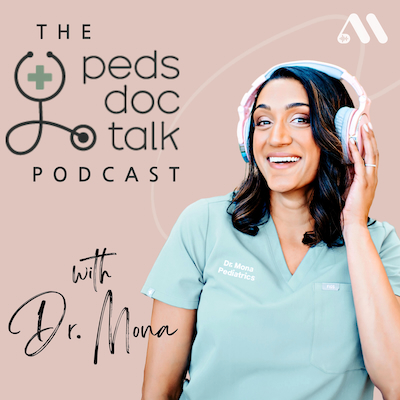

A podcast for parents regarding the health and wellness of their children.
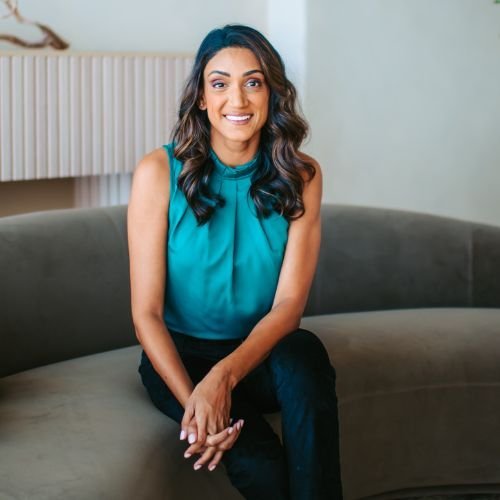
On this episode, I welcome Lauren Smith, a former educator and current nationally certified school psychologist to talk about how and why our American school system needs to change. From testing to the lack of resources to mental health — there’s so much to unpack.
We discuss:
Follow Lauren on Instagram @psychedforschool.
00;00;01;02 – 00;00;29;06
Lauren Smith
America more than pretty much any other country. Your education and your experience depends on your zip code. And sometimes it’s not even like your zip code as much as like your neighborhood. There you could be in one of the highest performing schools with unlimited resources and then ten minutes down the road, literally, there’s a school that’s significantly underperforming with no resources.
00;00;29;08 – 00;00;53;18
Lauren Smith
And like those kids play at the park together. But like, you know, just based on where their house is located and their neighborhood and taxes and how our systems are funded. Kids get such a different excuse.
Dr. Mona
Hey, everyone. Welcome back to PedsDocTalk podcast. This podcast continues to grow because of you and your reviews. So thank you so much for tuning in and being here today.
00;00;53;21 – 00;01;18;04
Dr. Mona
I am so excited to welcome Lauren Smith. She is a former educator and current nationally certified school psychologist. And we’re talking about if the American school system is failing our kids. I know it sounds a little bit unusual. Why are we talking about this? But we have a lot to share on the ups and downs of the American school system and how maybe things can change for the better.
00;01;18;04 – 00;01;38;19
Dr. Mona
So thank you so much for joining me today. Lauren.
Lauren Smith
Thank you so much for having me. I’m so excited for this conversation.
Dr. Mona
So tell me what you do. So you were formerly an educator and now you are a school psychologist. What brought you to become an educator and then become a school psychologist?
Lauren Smith
Yes. So, I did the pretty traditional, educator route.
00;01;38;19 – 00;02;05;08
Lauren Smith
I was one of those kids who kind of always wanted to be a teacher. I was always a good student, but I kind of struggled with, like, mental health and social emotional stuff in school. And I had a couple mentor teachers that really changed things for me and like, you know, helped me see my potential. It’s kind of an old story for some teachers, like you have a teacher who impacts you so much that you’re like, I’m going to do that for other kids.
00;02;05;11 – 00;02;27;16
Lauren Smith
So I went to undergrad like knowing I wanted to be a teacher. I wanted to work with little kids. So I did elementary education. And so I just was a job teacher for a couple of years. But then I really fell in love with working with more diverse populations, especially kids, with students with disabilities. And so I went back for my master’s in special education.
00;02;27;19 – 00;02;56;23
Lauren Smith
So I did some special education teaching and some administration for some years. And through that process, I found out about school psychologists and what they do. It’s basically a perfect combination of psychology and education. They’re the people in schools who evaluate students for potential disabilities. They, they help teams come up with interventions, eligibility for special education.
00;02;56;23 – 00;03;17;09
Lauren Smith
They also do mental health crisis team counseling, that kind of thing. So that’s what I do now. So I went back to school for that. So I’ve kind of had a lot of hats in the schools, and I’ve seen a lot of different teams and how they work and systems from like very different roles. I’m now a parent.
00;03;17;12 – 00;03;45;11
Lauren Smith
My son’s only two, so I haven’t really interacted with him in the schools yet, but I’m looking forward to seeing how that changes my perspective too. So yeah, just a lot of different places, but always, involved in the school in a lot of ways.
Dr. Mona
Well, like you said, it’s just so awesome that you have worn many different hats in the school system because I think this will be a more well-rounded conversation because you’ve been on many different sides in the school system.
00;03;45;13 – 00;04;05;08
Dr. Mona
And I connected with you because I really wanted to discuss what I have felt for a very long time in that there are some limitations to the current American school system. And this conversation came about because I talked about it on my Instagram PedsDocTalk my stories, how there are some concerns I have as a pediatrician, especially with the public school system.
00;04;05;10 – 00;04;24;06
Dr. Mona
We are going to talk about that. And it also depends on where you live in this country. But in what ways do you see limitations to the current American school system? Of course, there are great things about our education system, but I want to talk about things that we need to change. So what are the limitations that you’ve seen having worn these different hats in a school system?
00;04;24;09 – 00;05;00;05
Lauren Smith
Yeah. So I think that one of your points is like number one for me, what you said about where you live, America, more than pretty much any other country, your education and your experience depends on your zip code. And sometimes it’s not even like your zip code as much as, like your neighborhood. There you could be in one of the highest performing schools with unlimited resources and then ten minutes down the road, literally, there’s a school that’s significantly underperforming with no resources.
00;05;00;08 – 00;05;22;08
Lauren Smith
And like those kids play at the park together. But like, you know, just based on where their house is located and their neighborhood and taxes and how our systems are funded, kids get such a different experience. And I think that equity piece for me is the biggest barrier. We’re going to we can talk about a lot of issues.
00;05;22;10 – 00;06;00;09
Lauren Smith
But I think it comes down to that issue of equity because we just don’t have currently any systems in place that ensure that all of our kids are appropriately meeting all of the standards, because there’s just so much variability, even within the same school district. Different schools can be doing such different things. So you could live in a town with friends and you know, you might be zoned for a different school and be learning like totally differently, even though your kids play together and are the same age, the same grade, but just the way your school function can be so different.
00;06;00;09 – 00;06;19;23
Lauren Smith
And I think that leads to a lot of issues that we can definitely talk about.
Dr. Mona
You know, you hit the nail on the head right now because this is my frustration that I see as a pediatrician is this sort of zip code priority. And I live in practice in South Florida, and I see this every single day, and I see it in healthcare, too.
00;06;20;00 – 00;06;40;18
Dr. Mona
What you’re talking about is such a similar issue in health care that where you live, the zip code that you live, the resources you have is going to dictate the health outcomes you have. I mean, we’re reporting this still in the pandemic, right? And we saw this with health care outcomes in the pandemic. And now we also have seen this with education, which as a pediatrician, it’s very hard for me to see that.
00;06;40;21 – 00;06;59;00
Dr. Mona
Like you said, I can see two children back to back visit who live five, ten minutes apart. If I were to look at their, you know, address, face sheet, whatever. But they are having very different outcomes with their education and their resources. And I’m even talking about public schools. And then you also look at private and public.
00;06;59;05 – 00;07;28;05
Dr. Mona
But I would love to dig into this further. So you said that you know, you could talk about this in terms of like the limitations based on zip code. Is there anything else that you see with the limitations with the current, American school system besides the zip code issues that I completely yeah.
Lauren Smith
Oh, yeah. I mean, for days we could talk, but I mean, I think in my role and this also goes back to that same idea because it comes down to resources and funding and teacher training and who gets the most highly qualified teachers and who gets the resources.
00;07;28;05 – 00;08;01;12
Lauren Smith
And the way that that impacts kids the most in my role is this evaluation process for special education. Our kids who are neurodiverse, what is their support look like? Schools. So, for example, you could see two kids in your office, both kind of displaying similar symptoms of something such as ADHD, but their experience at school and whether or not they get, evaluated for special education or additional support could vary vastly based on the process at that school.
00;08;01;15 – 00;08;36;26
Lauren Smith
What interventions are in place? How are those teachers trained to work with kids who are neurodiverse so they could be literally the same age with very similar symptoms and backgrounds, but just based on how those schools are operating, it could really change the supports that those kids get.
Dr. Mona
Oh, I completely agree. Oh my gosh. And you know, we talked about the zip code and the resources and you’re kind of talking about something that I also wanted to discuss, which was the ADHD neurodiverse population that we take care of both as teachers, educators and also as pediatricians.
00;08;36;29 – 00;09;00;14
Dr. Mona
Yeah. And I do feel and I don’t have a study or I don’t have anything to back this up, but I do feel like more children in America than other countries because I talk to family members outside. And, you know, I see what’s happening. I do feel like more of our children are medicated for ADHD than children outside, because I don’t think the American children have a higher incidence of ADHD.
00;09;00;14 – 00;09;20;26
Dr. Mona
I just think that there’s ADHD children all over the world. Yet the American school system is not supporting neurodiverse children. Yeah, because they don’t like the risk. They don’t have the resources. Do you agree that that’s why a lot of these children are ending up on medicine versus actually utilizing more extended time for test taking resources, like, do you feel that’s been happening?
00;09;21;02 – 00;09;50;10
Lauren Smith
Absolutely. Well, like, you know, in my role, I leave it to you and the experts in terms of medication, but I it is necessary for some kids, of course, but there are so many kids that we see in schools who could benefit from just some of the accommodations like you listed. The thing that gets me to and this is, as a school site, we try to work with teachers to do interventions that are not just for neurodiverse kids.
00;09;50;16 – 00;10;13;14
Lauren Smith
Some of the things that work for those kids work for every single kid. So like incorporating brain breaks where you get up and dance every couple of minutes after a big chunk of time, or being more flexible in your seating so that, like, a kid doesn’t have to sit at their desk for 45 minutes, maybe they sit on a bouncing yoga ball chair, or they’re able to do a standing desk.
00;10;13;16 – 00;10;44;23
Lauren Smith
Those are such simple accommodations that work for neurodiverse kids. That would be beneficial for all the kids. And it’s a simple, very cheap, like, you know, pretty easy intervention that we can incorporate. But there just isn’t the knowledge and the training or, you know, the time for teachers to be able to do all of these things. Because, you know, the other limitation with our system is we’re always teaching to test, and we’re always trying to cram in curriculum by the end of a certain unit.
00;10;44;23 – 00;11;11;28
Lauren Smith
And so teachers don’t have the time to be looking at Instagram accounts for fun interventions they can incorporate, or Pinterest like, you know, those are things that they do on their own time in bed at 9 p.m. and that’s why they’re burnout. So it’s all kind of connected. Like there’s some things that we can do for our neurodiverse kids that would be so good for all kids, but it’s just a matter of getting that knowledge into the schools and making it more universal.
00;11;11;28 – 00;11;33;18
Lauren Smith
And again, not just like at the school down the street, because you happen to have a school psychologist, but the other school down the street doesn’t have that because they have no funding.
Dr. Mona
Yeah, it all comes. It all comes back to resources. It does.
Lauren Smith
And I’m just capacity to, I think a huge limitation. As a former teacher, I know you talked about pediatrician burnout.
00;11;33;18 – 00;11;59;26
Lauren Smith
I think that everyone is burned out right now, just given the state of things. But teacher burnout is like another level. Of course, teachers have always been burned out, but now it’s just like I said, it’s just on another level because I think we’re realizing how much schools do for our kids because of the pandemic in terms of like school for a lot of kids is their only meal.
00;11;59;28 – 00;12;30;04
Lauren Smith
It’s their only, safe shelter. It’s the only place where they might get some mental health support again, depending on their school and their resources. Some kids, it’s their only time of like routine and structure. Some families rely on it for medical care, like the social workers and wraparound services, which there’s not enough of. But I think during the pandemic, when kids were forced to stay home, we realized like, okay, wow, teachers are wearing a million hat.
00;12;30;06 – 00;12;48;13
Lauren Smith
Schools are doing or are supposed to be doing so much for families, and there just isn’t the support for that.
Dr. Mona
And the support and the appreciation. And I completely agree with this. I mean, I think how sad is it that it took a pandemic for people to really understand, and I don’t think many people still truly get it, but I think more people do.
00;12;48;16 – 00;13;13;17
Dr. Mona
Yeah. How vital teachers are and school systems are to our children in terms of when everyone had to go to homeschool and then parents were left to figure it out, they were like, wait, what? What about the teachers? Right? They’re supposed to help us. And then we realized, well, yes, the teachers are the foundation. And I believe that any community, the teach an educational system and a health care system working together and having funding and resources and accessibility, those two things are the pillars of health and education.
00;13;13;17 – 00;13;47;17
Dr. Mona
I mean, these are not privileges. These are rights in a country, in my opinion. But, you know, we people in the higher up can beg to differ that depends on money. But having access to education and having access to health are the two things that matter. And I don’t blame teachers for burning out, because not only are you having to manage all the things that you manage from, you know, your curriculum and then ever changing, like you said, testing recommendations that come out in terms of now we have to test, teach, to test this and do this, and then you have to deal with all the kids and the diversity in children and having
00;13;47;17 – 00;14;20;02
Dr. Mona
to manage neurodiverse and having to manage this, and then all the psychosocial issues and then gun violence and yeah, Covid and I mean, and then you talk about pay. I mean, are you guys you’re not getting paid. Yeah. Over 100,000, 100,000 a year to do this stuff. Right. And that’s not to me you’re I’ve always felt and I’ve said this on my Instagram many times, that I believe that teachers to be in school, anyone who works with children, but especially, teachers and educators, are one of the most lowest paid people in this country when you have so much value.
00;14;20;02 – 00;14;42;13
Dr. Mona
And I mean, you’re underappreciated. I mean, the whole school system is so severely under. Appreciate it. You started this episode talking about being inspired by a teacher when you were younger. And I think anyone who’s successful, anyone who’s successful is going to say that they’re successful or just be happy in their life, whatever. They’re successful and they found their purpose or joy because of an educator.
00;14;42;18 – 00;15;03;14
Dr. Mona
Yeah, because of an educator who showed them whatever it is you ended up doing, whether you’re at school, psychologist, pediatrician, you whatever job you have, it’s those educators. And those educators happen either in elementary, they could happen even earlier than that or college. But how is it that we’re not prioritizing these educators? I also value educators that I had in junior high.
00;15;03;17 – 00;15;21;23
Dr. Mona
I still got very much value them because they encouraged me and they told me to follow my dreams and all that. Did they did it. Yeah. These things are so important to remember. And so when you talk about burnout, I agree with you. The educator burnout is something else. This is something extremely different than any other type of burnout.
00;15;21;23 – 00;15;40;15
Dr. Mona
So when people are like, we’re all burned out, I agree, but I do believe that teachers are burning out to the degree, especially if you have children of your own, because of what you guys are seeing every day in schools. And how can you do that with the time and resources that you have? You don’t. I mean, I see it because I see what’s happening in schools because I get it into my office.
00;15;40;15 – 00;15;59;15
Dr. Mona
So what’s happening is I see the let’s talk about neurodiversity, right. I see the ADHD child who is coming into my office, parents are demanding meds and I say, look like, let’s do other things. They tell me they don’t have the time or that the school push them away. And I don’t believe it that the school is trying to push them away.
00;15;59;15 – 00;16;29;06
Dr. Mona
I think that they do not have the capacity to help everyone, because there are just so many children who may need the help, and so parents will come in and they’ll complain about the school and I say, look, you’re not going to complain to me about the school because the school is trying to manage so many different things, and I have to end up deciding to put the child on medicine when in my heart I know that there are IEPs, there are other things that we can do for medication, and I’m not against medicine for ADHD in the slightest.
00;16;29;08 – 00;16;59;25
Dr. Mona
Yeah, but I also know that it’s a combination of many different things that we need to do for a child. And when I can’t get that access because of the school systems lack of resources, it breaks me as a pediatrician. And that’s why I’m happy we’re talking about this.
Lauren Smith
I love that we are talking, and this is why I wanted to talk specifically to you and your platform, because I think the collaboration with pediatricians and psychologists and people in schools is, I feel like, often missed.
00;16;59;25 – 00;17;23;02
Lauren Smith
But it’s so important. There’s a few times where I’ve gotten parents to sign off for us to be able to talk to the kids doctors, and it is so helpful to have these kind of conversations because we also see the opposite. Sometimes we get a letter from a pediatrician who have like a ten minute conversation with a parent and they say, I’m writing a prescription for an IEP.
00;17;23;02 – 00;17;51;05
Lauren Smith
This child has ADHD. And for us I’m like, I do like a four hour evaluation of this child with observations and rating scales. And it’s like a really important decision. And it’s like, I don’t even know if this pediatrician has observed this kid in any kind of way if they’re just going by what the parents said, like you said, if the parent just is complaining about the school and the pediatricians up against the wall, so they have to do something.
00;17;51;07 – 00;18;16;00
Lauren Smith
And I think if we could work together and have these conversations more, there’s so much better outcomes because you have such the expertise in the symptoms and the medication and what works and what doesn’t. And then, like I said, we know what to do in terms of an IEP, or a 504 for accommodations. And just having those conversations I think don’t happen because again, you’re burned out.
00;18;16;00 – 00;18;36;05
Lauren Smith
We’re burned out. When are we going to have. Good.
Dr. Mona
That’s exactly it. We both have no time and no resources. And and that’s the problem here. And that’s why we’re talking about this, is that I don’t know how we’re going to make this happen, but I agree with you. I wish in every visit my ideal situation would be that I could get the teacher on the line or I have their I had their cell phone and we can talk and have a team meeting.
00;18;36;10 – 00;18;53;11
Dr. Mona
But I only, like you said, we only get 10 to 15, maybe 20 minutes with our patients in terms of on the schedule, of course, as myself, like I will spend more time with the family if they need it. But I’m talking about the schedule, right? The schedule doesn’t care if I spend 40 minutes. There’s going to be five patients waiting, and that’s not that stressful.
00;18;53;13 – 00;19;12;26
Dr. Mona
Yeah. As a pediatrician. And then for you all, you have ten stacks of paperwork. And then, you know, all these lessons, everything that’s just piling up. Yeah. When are we going to find the time to have that team meeting, which I agree with you is so beneficial. And oh my gosh, like I’m like in tears because I just feel like this is the problem in America.
00;19;13;02 – 00;19;30;26
Dr. Mona
We do not have the means for the two areas. Again, healthcare and education and affordable housing if you want to put that in there too. Yeah, but these are the essentials having somewhere to live and eat. Okay. You talked about how many families use school system as their means of food, which is a reality that I see and it breaks my heart.
00;19;30;28 – 00;19;50;22
Dr. Mona
And then health care and education. But we don’t prioritize that in this country. We don’t. And if maybe you have money, then maybe your zip code will have some resources. But then that’s getting into like private schools and all of that. But it’s not fair to me. It’s not fair to walk into an office and know that I could see one patient just because of where they live, have all the means in the world.
00;19;50;22 – 00;20;11;06
Dr. Mona
And then the next patient. I’m struggling to get them stuff like I’m struggling to just get them services or get them support when they could have the same outcome. But the American school system and health care system is not helping me and helping you with. Yeah. If you ever taken any psychology class, you’ve probably heard about Maslow and his hierarchy of needs.
00;20;11;08 – 00;20;33;13
Lauren Smith
This is like the most basic idea. It’s like literally just a pyramid. And at the bottom is our basic psyche a psychological physiological need. And the idea is you can’t go to the next level of the pyramid without reaching that base level. And the base level is like water, food, shelter and sleep. Then we get up to safety.
00;20;33;13 – 00;21;00;24
Lauren Smith
You have to feel safe. Then there’s like love and belonging. We don’t get up to the top of the pyramid, which is where learning can happen until all of those things are addressed. And those are the things that I think we like. Exactly. Like you said, we’re not addressing. And until it’s addressed in your office and in our schools, like, I don’t know how we expect kids to make growth and to learn when we’re not addressing like the most basic barrier.
00;21;00;27 – 00;21;17;22
Dr. Mona
You are right that we could talk about this for about four hours, maybe even longer. I agree, I mean, it’s I’m like sitting here reporting with you, and I’m just about to, like, stand up and pace around the room. Right. So this is the theory.
Lauren Smith
And this is a reason, I think, to leave because, yes, you have so much passion.
00;21;17;22 – 00;21;38;20
Lauren Smith
And some days you’re just like, am I making even the little bit of difference for these kids? And course, as someone who stepped out of the classroom and can now observance, see what teachers do, yes, every day they are making a difference regardless of all of these barriers. But it’s heartbreaking to be like to feel like you’re up against all of these things.
00;21;38;20 – 00;22;01;24
Lauren Smith
Just like you said, you probably feel the same way. Like some days a client leaves and you’re just like, devastated because there’s so much you could do for them. But there’s so many things in the way that it feels like you’re screaming into the void sometimes.
Dr. Mona
And I do want to get more into like, how children are kind of struggling in the American school system, and we’ll talk about more like with the less like how education is done in America.
00;22;01;24 – 00;22;19;24
Dr. Mona
We’ll talk about that in a bit. But since we’re talking about teachers right now, how else are teachers struggling right now? Obviously, resources, time and safety. I mean, I alluded to that, but what other message would you want to share for maybe a parent listening that doesn’t understand why their teacher may be burnt out? What would you say to that parent?
00;22;19;24 – 00;22;44;14
Dr. Mona
What’s going on. Yeah. In school systems right now,
Lauren Smith
I think for me, you know, I have a lot of educator friends and we have these kind of conversations like over happy hour every day, like we are always talking about these issues and how to fix it. And the number one common thing that I think gets teachers to say this is the same for me is administration and school culture.
00;22;44;14 – 00;23;10;18
Lauren Smith
That feels supportive. And that is a big issue in our schools. The people who are making decisions about teachers jobs are often not educators. They’re definitely not educators at the highest level in terms of government. But even at a school level, a lot of times we are getting feedback and evaluations and things given to us to do from people who haven’t been in a classroom in 25 years.
00;23;10;23 – 00;23;33;00
Lauren Smith
Some of them may have never even been in a classroom. And so there’s this feeling of from teachers who are highly trained and highly educated and who want to do what’s best for their kids, but they feel like there’s no autonomy or there’s no support from teachers and a lot of schools for a lot of reasons, usually legal, and then also sometimes because it’s just easier.
00;23;33;03 – 00;24;09;20
Lauren Smith
They will cater to parents, right? So that parent does come in with that note from a doctor. They are demanding an IEP or they’re demanding. And you know, there’s a whole list of demands that parents think is best for their kid. And while we do, we know parents are experts on their kids. I would never take that away from parents, but there’s this sense that teachers aren’t the experts in what they’re doing in their classroom, and they often feel so helpless because, you know, they might have read something in research, or they might have seen something that they really want to try out, but for whatever reason, they’re not allowed to.
00;24;09;23 – 00;24;27;06
Lauren Smith
Or they have so many parents making so many demands that they feel like they just can’t keep up and they’re not allowed to just be in their classroom and help their kids. And I think that’s a huge piece of it, is just this feeling of autonomy that you kind of got at it with the pay. But it’s not just the pay.
00;24;27;06 – 00;24;55;09
Lauren Smith
It’s just kind of like a general lack of respect and appreciation for teachers experiences. And, you know, teaching is a science and also an art, so there is training to it. But there also, you know, we all know teachers who just have that teacher personality, right? Like very certain types of people get into teaching for a reason and they have that finesse and that art to it, and they want to be creative and do all of these things for kids.
00;24;55;09 – 00;25;19;10
Lauren Smith
But the way our systems are set up, sometimes it just feels like they can’t. And I think that’s a huge piece too. Does that make sense?
Dr. Mona
100%. It makes sense. And you mentioned something that is happening in health care too, and it’s been going on for like decades, which is the decision making is happening from people in suits that have never even isolated someone with the sickness before, or ever put their hands on a patient before to examine them.
00;25;19;10 – 00;25;36;08
Dr. Mona
So when your decisions are being made by someone who hasn’t lived it and breathes it, or is currently living and breathing it right, like the administrators tend to be out of touch with reality. So even if you have educators up on top, they aren’t educators in a Covid 19 pandemic. They’re not educators going through the struggles that y’all are going through, which matters.
00;25;36;08 – 00;26;00;29
Dr. Mona
I mean, this kind of stuff matters. To be seen, to be heard, and actually to feel like things may change, right? I mean, right, it’s not just about money, I get it, but it’s also about that support. I mean, we do need a livable wage and obviously some security there. But yeah, when you feel supported by your employer and feel like like you told me, you just said something that you feel like you can’t, sometimes educators feel like they can’t have autonomy or feel like they can be creative or do something different.
00;26;01;02 – 00;26;15;26
Dr. Mona
Or maybe, you know, take a little risk, if you will, with how they change their lesson plan or something that feels stifling because you’re not able to practice your art, which is teaching. And I can relate to that as a pediatrician. Like if I’m being told, sorry, you can’t do this, you can’t do this, you can’t do this all the time.
00;26;15;28 – 00;26;53;24
Dr. Mona
That’s how burnout happens. And that’s why we’re both burning out. Because you feel like, well, then what the heck did I do this for? Why can’t I just practice my art and educate or treat patients? Whatever you’re doing. And I relate to this completely.
Lauren Smith
And I think that’s why we are seeing so many teachers, doctors, all kinds of fields who are branching out into these more like influencer roles because they have so much passion and so much knowledge, and they just create these amazing platforms like you have this podcast and your health, and you can get out so much good information that you just don’t have time to do with a patient in ten minutes.
00;26;53;26 – 00;27;29;23
Lauren Smith
And I feel like it’s very similar for teachers. It’s like I have so many ideas, but all I can do is like, create a Pinterest board and share it. Like create an Instagram account and share all this knowledge. Because yeah, you just don’t have that freedom in your job. And I think that a lot of the teachers who are staying are those people who are finding other creative outlets or other ways to feel fulfilled, but it’s just really sad that they can’t get that in the classroom, because that’s when kids benefit the most is when teachers are doing their thing and they’re allowed to be creative and to do whatever we need to do to
00;27;29;23 – 00;27;50;07
Lauren Smith
support a kid. But the reality is, yeah, that’s just a rare occurrence.
Dr. Mona
Oh, yeah. I mean, you knew I started this podcast platform. I was extremely burnt out as a pediatrician, and I was in tears wondering how I would ever do this job for another 50, whatever, 40 years. And I’m like, I can’t do it. Like, I love doing what I do, but how can I continue doing this?
00;27;50;07 – 00;28;07;00
Dr. Mona
Like 40 patients a day, burnt out, crying at the end of every day. And it’s a reality. And that’s exactly why I started my platform. And I know a lot of people are starting their platform because they feel it can give them a voice. And so yeah, I recognize that. So I obviously see there’s so many ways that teachers are struggling.
00;28;07;00 – 00;28;29;22
Dr. Mona
And I appreciate you sharing that because I think it’s very important that people hear it, acknowledge it and have some compassion for teachers. I hope that this can spark some change, obviously. Yeah. But what I really also want to talk about is the children in this system. So of course we talk about neurodiverse children a little bit. But one concern I’ve always had, and I don’t know if you agree or again, you can disagree with me completely if you want.
00;28;29;25 – 00;28;47;23
Dr. Mona
Is the testing system in American school system. So like, yeah, I grew up in America, I grew up in California. And it was okay, but there was a lot of testing. And then you go into college and high school and there was testing anxiety. But I do believe that there is more pressure on children nowadays, even younger kids.
00;28;47;23 – 00;29;03;04
Dr. Mona
And then I also see it in my junior high and high school kids. And I don’t know, that’s why I’m asking you. I don’t know if you feel like it’s because the curriculum has changed, or do you think there’s something else going on here? And I’m just feeling like I’m seeing way more testing anxiety and way more anxiety around school.
00;29;03;07 – 00;29;32;11
Dr. Mona
Like going to school, being in school and studying in school, getting good grades. And I’m just like concerned. What do we need to do here?
Lauren Smith
Yeah, no, you’re totally right. I mean, we see it in the research. And then anecdotally, like the amount of children that I work with to provide like school refusal counseling. And I’m not talking like I don’t want to get out of bed like kids who are having legitimate panic attacks and can’t get on the bus and need like exposure therapy to get to school because the anxiety is so high.
00;29;32;11 – 00;29;54;28
Lauren Smith
A lot of that has come from Covid, and that makes sense because there’s a lot more scary things happening at school right now. But even before that, the anxiety is so real. The test anxiety is so real. I went to school in the 90s, early 2000. We definitely had the state standardized tests that you had to take every year, but there is significantly more testing now.
00;29;54;28 – 00;30;23;08
Lauren Smith
And it’s a couple reasons. Like you mentioned, the standards have changed. So we adopted Common Core, which, you know, there’s a lot of argument about. I think there is a need for standardized curriculum and standardized standards. Because what we were having before is different states that were teaching God knows what. Kids were graduating high school at a first grade reading level.
00;30;23;10 – 00;30;41;23
Lauren Smith
There was not a lot of accountability in terms of knowing what kids know. And honestly, we still have a lot of that going on. But the purpose of Common Core is to say there are some standards that, you know, by eighth grade, every kid should be able to do this by graduation. Every kid should be able to do this.
00;30;41;26 – 00;31;13;23
Lauren Smith
So it sounds good in theory. But the other side of that is that we’re constantly testing throughout all of the grades to see how close we are to those benchmarks. So it’s not just like, oh, let’s test them in 12th grade and we’ll see how far they’ve come. It’s like starting in kindergarten. These are the benchmarks. And we have to give literal five year olds tests, if they’re reaching these standards that never I’m sorry, I remember my kindergarten experience, which must have been a, I don’t know, early 90s, mid 90s.
00;31;13;29 – 00;31;34;06
Lauren Smith
I don’t remember ever taking a test. It was like sitting at a table and coloring and like reading to a teddy bear. And it was all play. You know, obviously they had standards back then, but it was a lot of observation. And like I said, play and that kind of thing. And that’s just not the case anymore. And it’s heartbreaking.
00;31;34;08 – 00;32;01;11
Lauren Smith
The over testing is leading to tons of anxiety. The other thing is that our country, compared to a lot of the countries that are performing really well in education, we have a culture of competition in schools. Things just doesn’t exist elsewhere. So yeah, instantly talking about kids brains in schools, teachers are getting evaluated based on their kids test scores.
00;32;01;13 – 00;32;22;09
Lauren Smith
Kids are being compared to other kids. Even in my role and special education, all of our tests are normed based on samples of kids. So we’re constantly comparing one kid to the norm for their age and how they’re performing. But for a lot of that, we do need like we need developmental milestones that we can compare kids and kind of see when there’s an issue.
00;32;22;12 – 00;32;47;08
Lauren Smith
But the way that we do this in this country where we’re posting college acceptances, we’re talking about what number rank you are. We’re talking constantly about how many AP classes you’re taking. You’re seeing so much anxiety and perfectionism and so many kids who are just struggling so hard to keep up. And that’s on top of being overscheduled with extracurriculars and all the other things that we want our kids to do.
00;32;47;11 – 00;33;13;23
Dr. Mona
This is extremely concerning, right? Because we are fueling children to have perfection, like you said, perfectionism, anxiety. Yeah. And when we send them off to college, which we’ve been there, I’ve been I went to a major school system and I’m an example of someone who did the AP classes, was did all the clubs, did everything, like I was one of those top 20 kids at a major California public school that got into UCLA, which is one of the most coveted public schools in the country.
00;33;14;00 – 00;33;40;06
Dr. Mona
And I got my first see when I went into college, and I was devastated. I thought my life was over. I was crying in tears. My future was done like I was a mess. Okay, I see this happen. I mean, it goes downstream because we’re also seeing a lot of college children and I know this is gonna be like very like, well, but a lot of college children, there’s an increased suicide rate in college children and the reason I’m bringing it up is that this is not happening only in college.
00;33;40;06 – 00;34;01;01
Dr. Mona
This is a school system and life system that has led that child or teenager to feel like there was no other way out because of perfectionism and whatever it may be. I mean, this is happening more than we’ve seen. And Covid, you’re right, has had a huge impact. I do agree with that. You know, about health anxiety for children and going back to school.
00;34;01;01 – 00;34;28;12
Dr. Mona
And again, I will bring up gun violence and all of that because that is a real reality. But I was also seeing this before all of that. Yeah. Like what you just mentioned to the testing anxiety, the amount of I have a kindergartner having to take a test. But I hear what you’re saying about the core curriculum, like having to have some standardized ability to say that your child can now pass to the next level or whatever, but is there a way that we can find a middle ground here that what our other country is doing there doesn’t need?
00;34;28;12 – 00;34;55;08
Lauren Smith
It doesn’t we don’t need a multiple choice test to tell us a child is reaching the standards that we need. And I think that’s the thing that we are missing when we’re talking about all of these things, because it’s like everyone kind of knows that we’re over testing kids. Most people with any kind of knowledge about what’s going on in schools are like, wow, we test our kids a lot, but nobody’s talking about, okay, so what are the alternatives like?
00;34;55;10 – 00;35;25;16
Lauren Smith
There are ways to learn about children without having them take multiple choice tests or write an essay. And these are things that, like I said, this is where the teacher creativity and the autonomy comes in. Teachers have done such cool things with like portfolios, performance pieces like end of the year, capstone projects. Like there’s so many things that we can do to gauge how our kids are doing without having these high stakes, high pressure testing situations.
00;35;25;16 – 00;35;47;22
Lauren Smith
Like the best situation for kids is when they don’t know they’re being assessed, right, like they’re just putting out a performance or they’re showing off, like a really cool piece that they did. And teachers are knowledgeable and creative enough to grade that, and it’s their job to match that, to standards and to figure out a way to communicate to parents how their child is doing.
00;35;47;22 – 00;36;08;22
Lauren Smith
Like teachers aren’t dumb, you know, they can use kids without testing kids. But again, it’s these high stakes situations where decision makers are like one track minded, oh, how are we going to do this? We’re going to have a baseline. We’re going to have a nice chart with some data. We’re going to have a line graph because we have this test out of 100.
00;36;08;22 – 00;36;30;13
Lauren Smith
And this is we can create percentages on that and we can rank kids. And that’s not something that we need to do to make sure our kids are doing well. But for some reason that’s just what our country has held on to. And nobody seems like really motivated to change it, despite recognizing all of the problems that it’s causing for teachers and for kids.
00;36;30;13 – 00;36;50;27
Lauren Smith
I think most teachers, if they had less testing, it would help a lot with burnout because that, like I said, that goes back to their evaluation process. It goes back to how much time they have to teach what they want to teach. Testing is a huge factor in what happens in the classroom.
Dr. Mona
This conversation is giving me anxiety.
00;36;50;27 – 00;37;11;12
Dr. Mona
Okay. Like, like in a good way that we need to cause some change. But, like, I have always felt that, my own sister actually left Northern California and moved to Portugal because she was so upset. Like, her and her husband were, like, upset with this American dream, like this, sort of this rat race situation. And I think, I hope many people listening can understand this, but they’re much happier there.
00;37;11;12 – 00;37;29;00
Dr. Mona
I mean, the school system is better. I want to get like a my dream would be to get an educator who used to educate in America, who’s now educated outside the country, because I want to hear from an educator standpoint. Yeah. Yeah. Like what? Also because I want to I know it’s different. You know, like, I feel like children in America from kindergarten.
00;37;29;00 – 00;37;47;21
Dr. Mona
And let’s see, I would say from kindergarten, I think, you know, my son’s in a preschool. They do give a lot of downtime and play, but I just feel like there is not a lot of time. For as much time as when I was a kid, for downtime, being still, creativity again, there’s so many metrics and my life I want to move away from metrics.
00;37;47;21 – 00;38;03;06
Dr. Mona
We are living a life of metrics. I mean, as adults too. We live a life of at our jobs we have metrics. And then if you’re on social media, there’s metrics there. And then now we have all these gadgets, like how many steps did you walk in a day? Like, are we serious? And then I hate it, I hate them.
00;38;03;06 – 00;38;25;10
Dr. Mona
Then you have sleep apps. Well how good did you sleep? Every night like that actually can feel more anxiety. Yeah. And then you have these poor children that I look at that I’m like, it’s basically anxiety that’s been passed from child to parent to teacher to doctor. Like the whole system is anxious because nobody can just be and have a moment of saying, you know what, I don’t want to do my homework.
00;38;25;16 – 00;38;45;27
Dr. Mona
Yeah, I don’t want today. I’m just going to take a day off. Today is a day for rest, which a lot of countries do. Yeah, a lot of children in other countries and they’re succeeding. It’s not like these children are not succeeding when they become adults and they’re succeeding in very creative fields. Right. But again, America has set this standard on these jobs and that you have to do this to get into college.
00;38;45;27 – 00;39;04;04
Dr. Mona
And I wonder now, even with the pandemic and everything in the last three years that have happened, like the value of college now, right? We saw that in the pandemic, a lot of people were like, I don’t know if I’m even going to go to college because I can’t even have the experience in college. But it’s really interesting to me what’s going to happen because this isn’t sustainable for everybody involved.
00;39;04;04 – 00;39;29;11
Dr. Mona
And right, I am concerned of children’s mental health. I am concerned that there is a potential of leading to more. Like I said, anxiety and more perfectionism because they’re not being allowed to be children.
Lauren Smith
So yes, well, in Finland, who we know, we always hear about how they have the best education system. We’re always wondering what they’re doing that we’re not they don’t give more than a half hour of homework, just ever.
00;39;29;11 – 00;39;55;11
Lauren Smith
That’s just their standard. Up until the high school levels. They also don’t start compulsory education until age seven. Everything before that is expected to be play and exploration, and they provide kids starting at age five. Everyone gets universal school and but it’s like like I said, it’s play. So they only have to go to school from age 7 to 16 and they’re still outperforming us significantly.
00;39;55;17 – 00;40;16;13
Lauren Smith
And it’s because of all these things that we’re talking about. So, you know, it’s like you hear that in America. They I just feel like we think our way is the only way. But it’s like we’ve been doing it this way for so long and we’re still underperforming. And you can look at these other countries that are doing more creative things and radical things like things that are considered radical in Finland.
00;40;16;13 – 00;40;37;03
Lauren Smith
They don’t start school until like 945. Everybody. There’s so much research on just letting us sleep like it’s a game changer. And to me, I’m like, why is that so hard to implement in America? Why can’t. Well, and it goes back to what we were talking about because parents have to work their butts off. They don’t have childcare in the morning.
00;40;37;05 – 00;40;57;23
Lauren Smith
Who’s going to get them on the bus? And so if you don’t have all of those things thought about in your system, that’s where everything breaks down. And these other countries, what they’re doing right is they are thinking about the whole child and the whole family. They are providing three years of maternity leave for the first three years of a child life.
00;40;57;23 – 00;41;25;08
Lauren Smith
Mom, it’s mom or dad or whoever. Caretakers are home with them, playing with them, exploring. We’re not worrying about $2,000 a month. Daycare prices like they’re just not. They have medical care. Easy provided for them. Like all of those things that we’re talking about as these barriers, those things are connected to education in other countries. And when we do those kind of wraparound services, that’s when we see kids and families can succeed.
00;41;25;08 – 00;41;49;20
Lauren Smith
But we just don’t prioritize it here. We don’t prioritize it in the budget. We don’t prioritize it in the way that doctors and teachers, social workers, psychologists are allowed to practice. We’re just missing this big picture of like, everything is connected in a community. It’s kind of going back to what you were talking about, and it’s like how long we’ve been saying, it takes a village to raise a child.
00;41;49;20 – 00;42;08;12
Lauren Smith
We’ve been saying that for decades, centuries. That’s like the age old adage, it does take a village, but we just don’t have those systems here.
Dr. Mona
We don’t. And, you know, talking about foreign schools, you mentioned Finland. I really want to learn so much more about their school systems, because I don’t know if it’s going to change in our lifetime here.
00;42;08;12 – 00;42;30;28
Dr. Mona
And that actually makes me really sad. I know, because we know it’s possible. Right? We saw other countries do it, and speaking about it from a health care standpoint to you. Right. We know that you mentioned it beautifully, that, just because we do think that we do things the best when I say we like whoever creates these rules and laws or whatever, I don’t think we’re doing it the best, but we think it’s doing the best, but it’s at what cost, right?
00;42;30;29 – 00;43;05;02
Dr. Mona
Like at what cost? The health care system. Right? The health care system is pretty much going to crumble. It is crumbling. I mean, I can speak to that. And like I said, the last three years have exposed all of the cracks in American Foundation. I think for so long we’ve been kind of saying, okay, well, the schools this health care is this, you know, we have this is the last three years of this pandemic have shown the reality and racial injustice in this country and the school system and gun violence and all the laws, the way we’re so divisive and health care, and it’s coming to a forefront and something has got to give, because
00;43;05;05 – 00;43;24;15
Dr. Mona
what you mentioned is so true, that early waking, the fact that why are we starting school so early? Because as a pediatrician, I know the benefit of sleep. I am going to be starting my son in a preschool, and they start at 815 and a lot of toddlers wake up fine. Seven my son actually wakes up at 730, right?
00;43;24;15 – 00;43;41;00
Dr. Mona
So that means I don’t have to rush him. And I do not like rushing, okay.
Lauren Smith
And like, I stay already, like in a mood for him. It’s. Yes. Like it’s a reality.
Dr. Mona
Like, yes. I could adjust his bedtime, but that’s his rhythm. And I’m so grateful that he wakes up at 730. Other parents could be listening like we all.
00;43;41;01 – 00;43;54;09
Lauren Smith
I was 17 year old and my two year old who wakes up at 6 a.m., but I gotcha like.
Dr. Mona
And what I’m saying and like. But there should be some balance here. Like, yeah, I know when I have to wake him up, I’m already kind of dreading when I have to wake him up. I’ll adjust it, whatever he’ll adjust to.
00;43;54;09 – 00;44;13;13
Dr. Mona
But can’t we start like at nine? Like nine is completely to me, 9:00 start time for school would make so much sense. And kids could get their, you know, 10 to 12 hours older children, you know, maybe like 10 or 9 hours, but it is going to be so much better. They’re going to perform better. And we know that this is all cyclical, right?
00;44;13;13 – 00;44;33;07
Dr. Mona
Like us, kids who don’t sleep can have more behavioral concerns, and it gets labeled as ADHD when it’s actually not ADHD. That the fact that the child is not keeping it.
Lauren Smith
Exactly. And that helps with our burnout issue for teachers cuz I don’t see my son until 6 p.m.. Some days, because if my school starts at eight, that means I’m out of the house by seven.
00;44;33;07 – 00;44;55;15
Lauren Smith
Because this is something that all people need to hear. Teachers do not work from 8 to 3 and get summers off. Anybody who knows any teachers in their real life know they’re always at school before kids come. They always stay late. They’re always doing work after school. So if my kid doesn’t wake up until even 630 or 7, I’m out the door already.
00;44;55;17 – 00;45;11;28
Lauren Smith
And then by the time I get home, like I’ve seen my son for two hours, and that also adds to the burnout, because you’re like taking care of other people’s kids all day. But when do I see my son at his school and my school started at 9 a.m.. We could have breakfast together. We could like take a little walk.
00;45;11;28 – 00;45;30;20
Lauren Smith
We could play together. We could get him ready for his day. We could get me ready for my day. Just not that few hours. Shift would be huge for all of our mental health. And that’s another thing to me that just seems like such an easy switch. What we do is we find all these reasons why it won’t work because we haven’t done it before.
00;45;30;22 – 00;45;47;17
Dr. Mona
Yeah, and we’re trying to feel this again. I’m an immigrant child, so I was fed the American dream. Yeah, for a long time. And I think even nonimmigrant children will get it. But that is what we were instilled when my parents came to this country. And so if you’re going to work your butt off because we are trying to make a living here, you’re going to work hard, work hard.
00;45;47;25 – 00;46;03;12
Dr. Mona
And that has led to anxiety as an adult for me, right? I have managed it better, but I’m me and my husband both, right? My husband is also, product of this, and we are now. We don’t want that for our son. We want him, like you said, the mornings where we can be relaxed and get out the door.
00;46;03;12 – 00;46;20;12
Dr. Mona
We are going to get out the door. But there’s a rush there. And I start my job at 8 a.m.. So like, I even that’s a whole different issue that like, I have to be at the office at eight. I’m grateful that I live ten minutes from my office, but my son’s school starts at 815, so I’m going to have to be late to work.
00;46;20;16 – 00;46;37;20
Dr. Mona
Yeah, every morning that I have to go to the office, and that means that I’m going to be rushed at my office. Right? So like you said, the system is not supporting each other when, gosh, like, just let us look, I’m just going to breathe and like I’m very into mindfulness. Like mindfulness is really important to me. I think every child should learn it.
00;46;37;20 – 00;47;07;03
Dr. Mona
But Lauren, I mean, at some point you can’t mindful meditate or might use mindfulness practices to undo a system.
Lauren Smith
Yeah, that’s a joke in the schools right now because thankfully we are seeing a push in mental health services in schools. There are a ton of teachers who are really creative and using yoga and mindfulness in the classroom. But it’s also a double edged sword because it’s like a running joke, because, yeah, administrators will just be like, I know you guys are burned out.
00;47;07;07 – 00;47;32;17
Lauren Smith
Practice mindfulness at the end of the day. And it’s like, yeah, that’s going to change my pay and my ten hour work day. And the fact that I can’t keep up with all of my work, you know, you know, it’s like it’s funny. I mean, yeah, practices are huge, but like also what if we shortened our school day and, like, if we started later, why doesn’t everyone get together before school starts on the playground and do five minutes of mindfulness before the day starts?
00;47;32;18 – 00;47;52;23
Lauren Smith
Those are things that some schools do. They’re experimenting with and they’re doing more of those things. And it’s huge for kids and teachers. It’s like just thinking about how much better space people would be if we could do that.
Dr. Mona
I’m laughing because it is uncanny the similarities between what you’re saying and what I deal with in health care.
00;47;52;25 – 00;48;09;15
Dr. Mona
Yeah, we’ve talked about this like we have a board in our office which says a positive attitude goes a long way. And I’m like, I agree, I do. Don’t get me wrong, I actually very I’m positive person. Yeah. But when you’re seeing 40 to 45 patients a day and you can’t even come up for air or drinking water because someone’s yelling at you, that why are they waiting so long?
00;48;09;22 – 00;48;30;16
Dr. Mona
You can’t really like? It’s really hard to be calm, positive that you can’t. It’s just it’s. And you’re right. Like they it’s so twisted because all of the corporations that are like pushing this mindfulness and, you know, all this stuff, it’s in the middle of like, hey, we see that people are burnt out. Let’s just put this in there but not actually change anything.
00;48;30;16 – 00;48;45;26
Dr. Mona
Yeah, that can actually really help them from truly being burnt out. Like I said, do I need to see 40 patients but I see 20 like, you know, like there’s but then they won’t make money as much money. So yeah, it’s so interesting to me, but it’s right on. And I laugh because I, I’m dealing with it too.
00;48;45;26 – 00;49;02;12
Dr. Mona
And I just like I’m like man. Like it’s you want to be positive. I think people who go into pediatrics and education are very similar. Are we are we have a passion for children. You don’t work with children for the money. We all know that you work with them because you want you actually truly believe that you’re going to make an impact.
00;49;02;18 – 00;49;18;20
Dr. Mona
But at some point there’s a limit. And I agree with you completely. There’s a limit where you kind of tap out and say, I’m sorry. Like, yeah, I can’t do this anymore because I’m not getting to do what I wanted to do. And, you know, suits and people who don’t understand are making decisions for me. And I don’t know when it’s going to change.
00;49;18;20 – 00;49;38;29
Dr. Mona
But, Lauren, like this conversation. It got me fired up. We’re recording this in the evening in a good way. I’m happy to talk to an educator about all these concerns that I’ve had for so long, and kind of hear it from their perspective as well.
Lauren Smith
Well, it’s great for me too. And I think us in education, because sometimes you can feel like you’re in such a silo by yourself.
00;49;38;29 – 00;50;01;29
Lauren Smith
And like I said, you’re screaming into the void. But like when you have diversity and friends and family and people around you with different experiences, that’s when you, like I said, like you go to happy hour and you talk to your friend who’s a doctor and you realize, oh my God, like we are all going through such similar things, and why can’t we all get on the same page and fix these issues?
00;50;01;29 – 00;50;36;06
Lauren Smith
Like, I mean, it’s just mind boggling. How so many people can recognize that the system is broken, but the work that it takes, I think, is where our country has always stopped. And this is in education, and I’m sure it’s in the medical field. Everything is a bandaid, no pun intended. Everything is a Band-Aid. It’s never preventative. It’s like, oh, this issue came up, what are we going to do for a quick fix instead of like, let’s put the time, money and resources into like legitimate preventative measures.
00;50;36;06 – 00;50;57;09
Lauren Smith
It’s like, oh, we got ourselves into this again. How can we fix it in two months? And then, like, we’ll deal with it again in five years when the exact it comes up again.
Dr. Mona
This is episode two that we’re going to record about how, yeah, the bandaid of health care and education, because I completely agree. I mean, we don’t prioritize that for physical, mental and educational well-being at all.
00;50;57;10 – 00;51;12;17
Dr. Mona
Yeah. Lauren this is such a pleasure talking to you. I think people understand that we could probably talk for hours and maybe I’ll have you back on again, for our part two, because that is just so important that we get this conversation out there. Any final message for any parent educator that you want to share today?
00;51;12;23 – 00;51;33;10
Lauren Smith
Well, I just appreciate you bringing, you know, this perspective to your podcast. I know you do a lot of medical stuff, but what I love is that you really do care about the whole child. And I think that we’re doing the same things. I think the more that that parents can understand that we in these various professions, we all have the same goal.
00;51;33;10 – 00;51;56;18
Lauren Smith
It’s exactly what you said. Like we didn’t get into this for the money. We didn’t get into this for fame or for notoriety. Like we just want to help your kids. And my message to parents like, you know, things can get really advisory in schools, especially my work with IEPs and advocates and legal stuff at the end of the day, your pediatrician, your teachers, all of us, we just want the same goal.
00;51;56;18 – 00;52;20;05
Lauren Smith
We just want our kids to be happy and healthy. And I think despite all of these barriers, I just want to end on like a positive note because, like, yes, the system is broken and we can talk about that forever. But what is still the same in schools? And I see it every day, is that these educators are here for your kids, and they really do care about you and your kids.
00;52;20;05 – 00;52;36;19
Lauren Smith
And I think as long as we have that, at the end of the day, like we keep getting through it just like doctors do, we still. Yeah, you have 40 patients, but you find a way to see them because you care. And it’s the same in school. We’re going to keep keep moving on because we have to for our kids.
00;52;36;21 – 00;53;00;10
Lauren Smith
So that would be my kind of outgoing message is like instead of, you know, tearing each other apart, like everyone’s corny, but we just need to do what we can to fight these systems and to do what we can for our kids because they are our future. I mean, again, that’s so corny, but like, the world is changing every single day, and these kids are the ones who are going to need to be ready for that.
00;53;00;10 – 00;53;21;00
Lauren Smith
And so we just need to keep them our priority. That’s all we can do. I think
Dr. Mona
absolutely. And when you talk about that team, I think, you know, parents, like I mentioned earlier in the episode about like, blaming or passing the buck, right, that the school should be doing this. My doctor should be doing this, I should be doing this like, everyone kind of blames each other, but it is everyone’s responsibility.
00;53;21;00 – 00;53;40;13
Dr. Mona
Like you said, that village to kind of help with that child, right? So the parents have huge responsibilities. Teachers do have responsibilities and doctors do as well. But it is that team. And really talking to your pediatrician, the educators that are in your child’s life. And also, I really hope my take home is that you understand why we are kind of tired.
00;53;40;19 – 00;53;54;13
Dr. Mona
I think that’s really important. It doesn’t mean that we’re not going to give you what you need all the time, but it does mean that there is going to be some times we’re tired, like there’s going to be a wait. Sometimes there’s going to be a little lag and a phone call. And it’s not that we don’t want to.
00;53;54;13 – 00;54;13;22
Dr. Mona
It’s not that we don’t care, it’s that we actually care so much about so many different children, and we’re trying to just keep our head above water while the system is, like, crumbling underneath us, you know? So, Lauren, again, thank you so much. Everyone listening. I hope you share this episode. I just think this is probably one of my most favorite episodes.
00;54;13;24 – 00;54;28;20
Dr. Mona
Make sure to write a review. Leave a rating. I just love talking about all of this because it’s what we need to do to actually, hopefully cause some change. Yeah. So thank you again, Lauren, and we will talk to you all next week with another episode.
Lauren Smith
Thank you.
00;54;28;21 – 00;54;44;11
Dr. Mona
Thank you for tuning in for this week’s episode. As always, please leave a review. Share this episode with a friend. Share it on your social media. Make sure to follow me at PedsDocTalk on Instagram and subscribe to my YouTube channel, PedsDocTalk TV. We’ll talk to you soon.
Please note that our transcript may not exactly match the final audio, as minor edits or adjustments could be made during production.
Need help? We’ve got you covered.
All information presented on this blog, my Instagram, and my podcast is for educational purposes and should not be taken as personal medical advice. These platforms are to educate and should not replace the medical judgment of a licensed healthcare provider who is evaluating a patient.
It is the responsibility of the guardian to seek appropriate medical attention when they are concerned about their child.
All opinions are my own and do not reflect the opinions of my employer or hospitals I may be affiliated with.